Tag Archives: Derrick shaker screen
Derek 500 PWP Shaker Screen: Enhance Your Solid Control Efficiency
In oil drilling solids control systems, the adaptability and stability of shale shaker screens directly affect the continuity of drilling operations, while high-quality Derrick shaker screens are the core guarantee for the efficient operation of Derrick series equipment. Targeting the widely used Derrick 500 series shale shakers and mud cleaners, TR Solids Control, an outstanding solids control equipment manufacturer, has launched a specialized replacement screen — the Derrick 500 PWP Shaker Screen — providing a highly adaptable filtration solution for job sites.
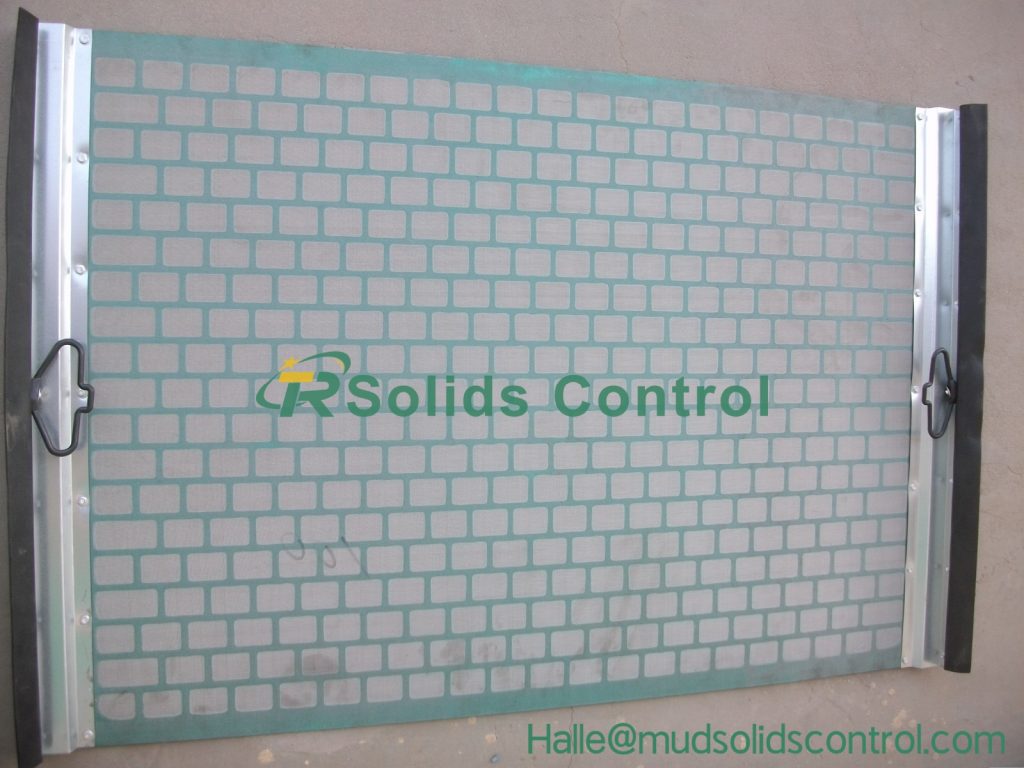
This shaker screen adopts a hook strip flat screen structure design, precisely matching the installation dimensions and operating conditions of the Derrick 500 series equipment. It can efficiently separate solid particles from drilling fluid, ensuring stable mud performance.
Undergoing rigorous dimensional calibration and durability testing, the product maintains excellent structural strength in the harsh drilling environment, effectively reducing downtime losses caused by screen mismatches and meeting the core requirements for filtration components in oil drilling.
Specialized solids control equipment manufacturer, TR Solids Control offers a full range of shaker screens—including complete compatible lines for Derrick, Brandt and other major brands—meeting diverse drilling needs. The new Derrick 500 PWP Shaker Screen carries forward the company’s precision manufacturing and strict quality control, ensuring full OEM compatibility. With factory direct supply enhancing cost-effectiveness, it delivers stable, reliable shale shaker screen replacements that help customers control operational costs and optimize solids control efficiency.
Step-by-Step Guide to Installing Wedge-Fastened Shaker Screens
Proper installation is crucial for maximizing the performance and lifespan of your Shaker Screen. An incorrectly installed screen can lead to premature failure, poor solids control, and costly downtime. This guide focuses on the common and efficient wedge-fastening system, providing clear steps to ensure a secure and effective setup.
Preparation is Key
Before beginning, ensure the shaker is powered off and locked out. Thoroughly clean the screen deck and the guide rails, removing any old debris, dried mud, or damaged wedges. Inspect the new Shale Shaker Screen for any transit damage and verify its model matches your shaker.
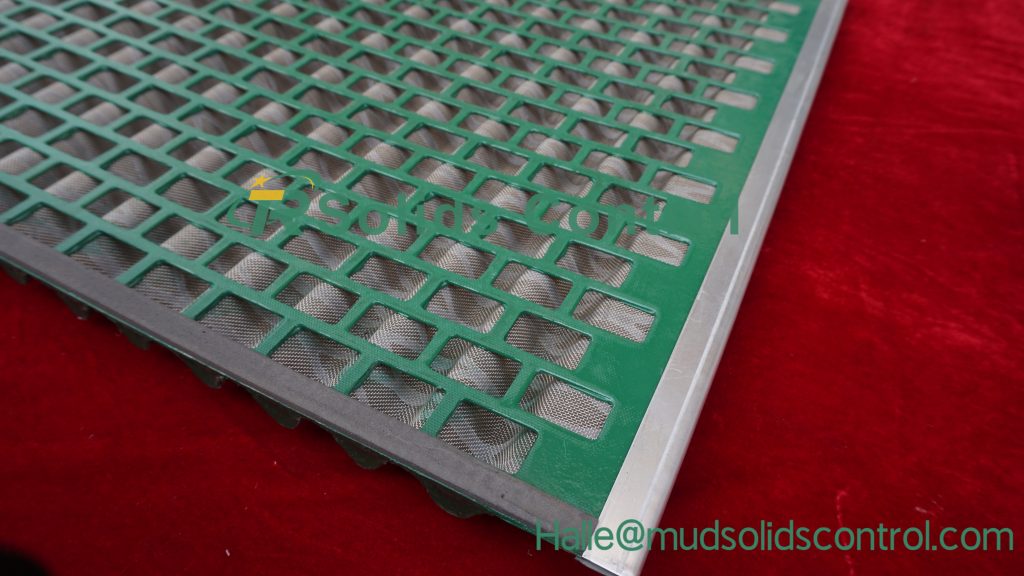
The Installation Process
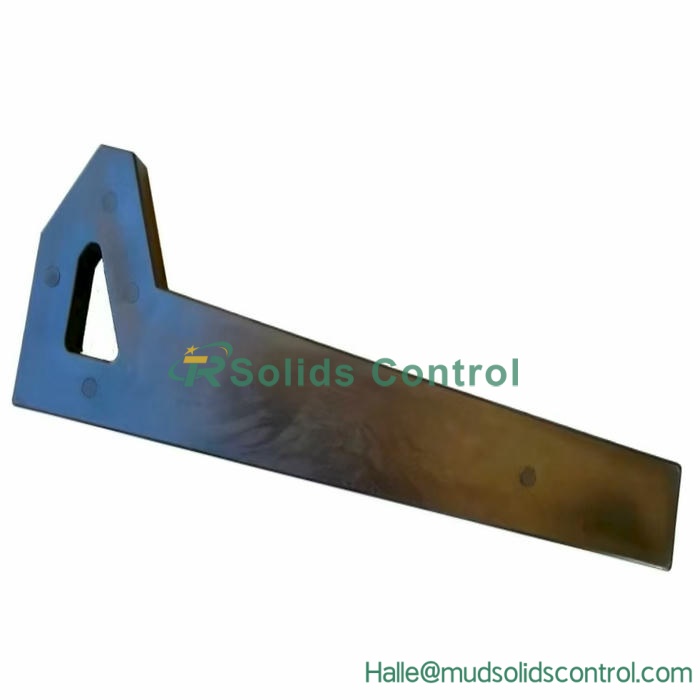
- Position the Screen: Carefully place the screen panel onto the shaker bed, aligning it precisely with the side guide rails. Ensure it sits flat and even on the support rails underneath.
- Insert the Wedges: Starting from the center of each side, gently tap the first set of wedges into the gap between the screen frame and the deck rail using a rubber mallet. The wedge’s design will begin to grip and tension the screen.
- Work Outwards: Move outwards from the center towards each corner, inserting and tapping wedges alternately on opposite sides. This method promotes even tension distribution across the entire Derrick Shaker Screen panel.
- Final Seating: Once all wedges are in place, go back and give each one a firm, final tap to ensure they are fully and uniformly seated. The screen surface should feel taut and show no visible sagging or gaps along the edges.
Post-Installation Check
Conduct a visual inspection to confirm the screen is square and all wedges are secure. Before resuming full operation, consider a brief run-in period at a reduced flow rate to allow the screen to settle under tension.
A successful installation starts with a high-quality, precisely manufactured screen. TR Solids Control is a leading manufacturer of durable, performance-driven replacement screens compatible with major shaker brands. Their screens are engineered for consistent fit and reliable tensioning, making the installation process smoother and helping to ensure optimal separation efficiency from the very first hour of operation.
Understanding the Factors That Determine Shaker Screen Longevity
In the critical process of solid separation, shale shakers play a vital role as core components, continuously separating debris from drilling fluid. Their service life is a key factor affecting operational efficiency and cost management. By understanding the factors influencing their durability, operators can make informed decisions to extend the screen’s service life and enhance its performance.The main factors affecting the service life of gravel shale shakers are as follows:
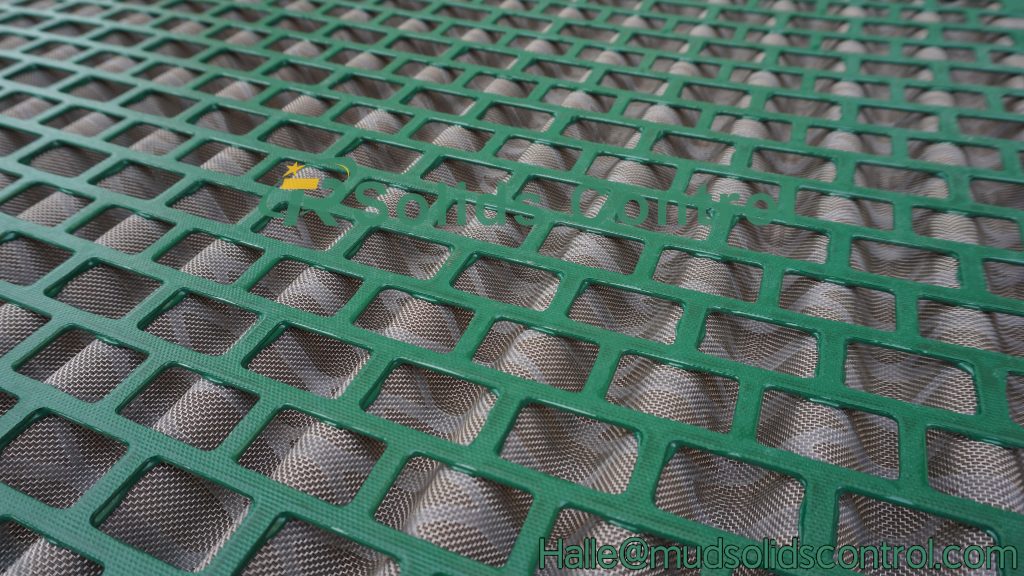
1.The primary factor is the nature of drilling solids. Highly abrasive substances, such as sand and coarse debris, rub against the screen wires like sandpaper, thereby accelerating wear. In addition, the chemical composition of drilling fluid—including extreme pH values or corrosive substances—can also damage the screen material over time.
2.Operational practices also have a significant impact. Excessively high flow rates force particles into the screen, leading to premature clogging and increased pressure. Inappropriate vibrator settings, such as incorrect vibration intensity or screen angle, can result in uneven wear and reduced separation efficiency, thereby shortening the screen’s effective service life.
3.The inherent characteristics of the screen itself cannot be ignored. Screens made with low-quality wires or wires of inconsistent diameter lack sufficient strength to withstand cyclic loads. The bonding quality between layers and the rigidity of the frame are crucial for preventing structural failures under continuous vibration.
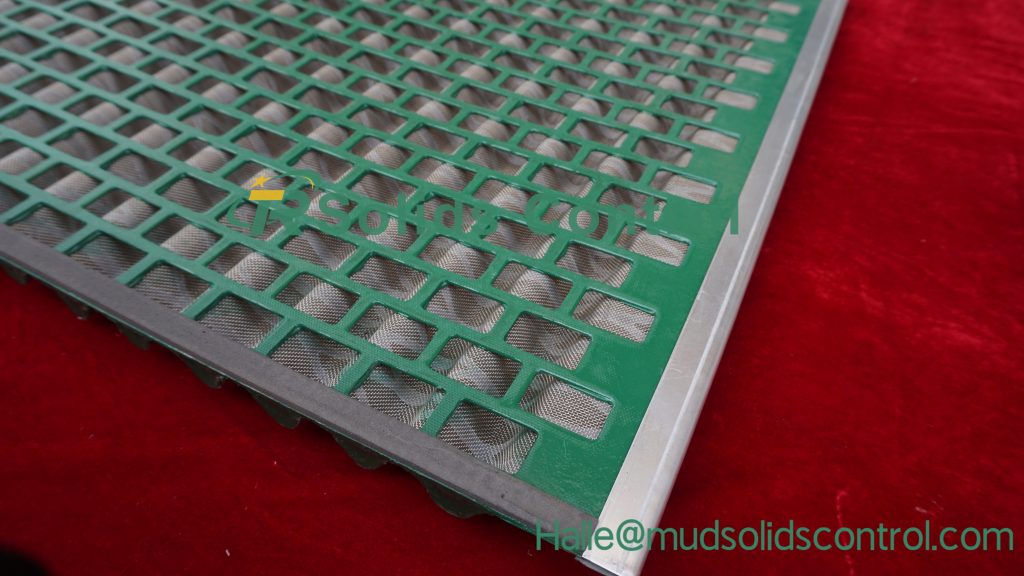
To address these challenges and fully utilize the screen’s value, selecting a reliable manufacturer is essential. TR Solids Control produces robust and durable replacement screens for stainless steel hanger rod shale shakers, specifically designed to withstand harsh environments. By adopting high-quality materials and precision manufacturing processes, TR Solids Control minimizes common wear factors. Its extensive range of mesh sizes ensures operators can find the most suitable screen for specific applications, thus extending service life and improving the reliability and effectiveness of solid control.
Understanding Standard Mesh Counts for Shaker Screens: A Guide to Optimal Solids Control
In the drilling and solids control industry, the efficiency of separation equipment heavily relies on a critical component: the Shaker Screen. Understanding the standard mesh counts of these screens is fundamental to achieving optimal performance in fluid recovery and solids removal.
What is a Standard Mesh Count?
The mesh count of a Shale Shaker Screen refers to the number of openings in a linear inch of the screen. A higher mesh number indicates finer openings, designed to capture smaller particles, while a lower mesh count allows larger particles to pass through. Standardized mesh counts ensure consistency and predictability in separation processes, enabling operators to select the precise screen for their specific drilling fluid conditions. From coarser screens for primary separation to ultra-fine meshes for polishing, the correct mesh selection is paramount for maintaining drilling fluid properties and reducing environmental waste.
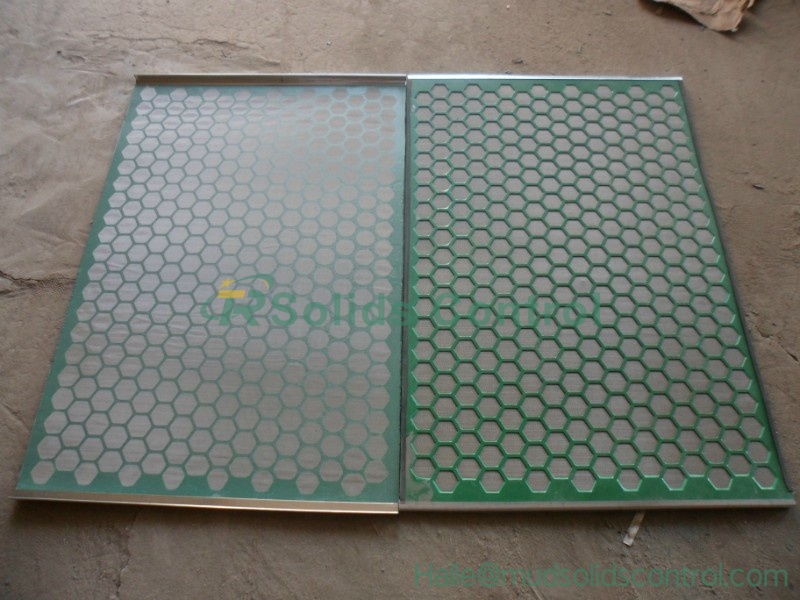
TR Solids Control: Your Partner with a Complete Mesh Portfolio
Selecting the right screen is only half the battle; sourcing high-quality, durable screens is the other. This is where TR Solids Control establishes itself as a leading manufacturer. Specializing in high-quality stainless steel Derrick Shaker Screen replacements, TR offers an extensive and comprehensive range of standard mesh counts. Their robust inventory ensures that clients can find the exact specification required for their shakers, minimizing downtime and ensuring operational continuity.
Beyond just availability, TR’s screens are engineered for durability and consistent performance. The use of premium stainless steel and advanced manufacturing techniques results in screens that resist blinding and offer a longer service life, even under demanding conditions.
For any drilling operation, paying close attention to the Shaker Screen and its mesh specification is a simple yet highly effective way to enhance overall efficiency. Partnering with a reliable manufacturer like TR Solids Control, which provides a complete selection of high-quality Shale Shaker Screen options, offers a clear path to achieving superior solids control and cost-effective operations.
Understanding Shaker Screen Types for Optimal Solids Control
In the demanding environment of drilling operations, selecting the right Shaker Screen is paramount for efficient solids control. The performance of a Shale Shaker Screen directly impacts fluid recovery, equipment protection, and operational costs. TR Solids Control, a premier manufacturer of drilling fluid equipment, offers a comprehensive portfolio of screen types to meet the specific needs of every project.
A Guide to Common Shaker Screen Types
TR Solids Control provides a full spectrum of high-quality screens, including:
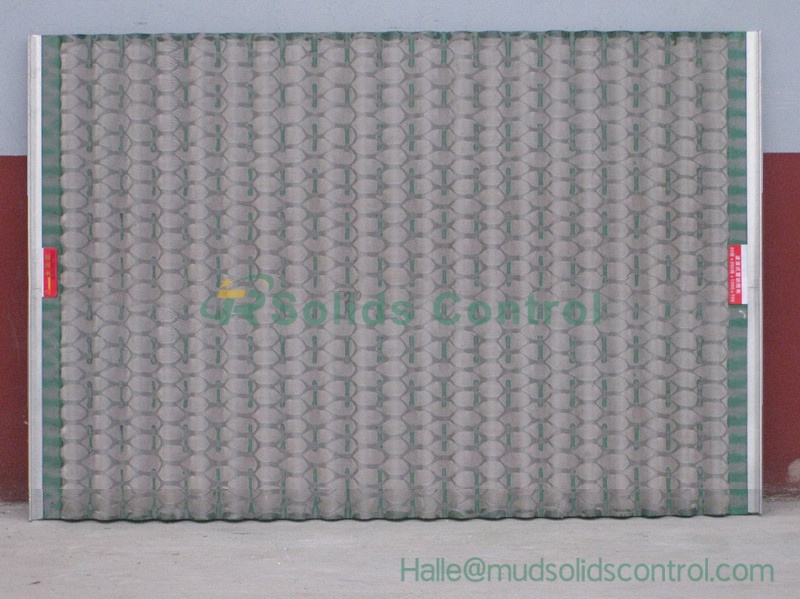
- Flat Screens: Known for their cost-effectiveness and simplicity, they are an ideal choice for general-purpose screening where high flow rates are not the primary concern.
- Pyramid Screens: Featuring a unique ridged design, these screens increase the screening area and enhance fluid throughput, improving separation efficiency for finer particles.
- Frame-mounted Screens: Designed with a robust, reinforced frame, these screens offer superior longevity and are built to withstand the rigors of high-intensity, continuous operations.
- Hook-strip Screens: As a versatile and widely used type, hook-strip screens allow for quick and secure installation and removal, facilitating easy maintenance and downtime reduction.
“Having the right type of Shaker Screen is just as important as its mesh count,” said a spokesperson for TR Solids Control. “Our ability to supply this wide range ensures our clients can always find the perfect match for their specific shaker model and drilling conditions, maximizing the value of their Shale Shaker Screen investment.”
A Single Source for All Screening Needs
Beyond manufacturing a diverse range of screens, TR Solids Control specializes in producing precision replacement Shaker Screens compatible with major OEM equipment, including the Derrick Shaker Screen. This versatility, combined with a steadfast commitment to quality, makes them a trusted one-stop shop for the global drilling industry.
The Critical Role of Shaker Screens in Efficient Drilling Operations
In the complex process of drilling for oil and gas, the first and arguably most critical line of defense for maintaining drilling fluid integrity and overall site efficiency lies with a robust solids control system, starting with the Shaker Screen.
As the primary filtration device on a drilling rig, the primary purpose of the Shale Shaker Screen is to separate drill cuttings and other unwanted solids from the drilling fluid. This initial separation is vital for recycling clean drilling mud, which is essential for lubricating the drill bit, maintaining wellbore stability, and controlling pressure.
Why Shaker Screens are Indispensable
high-performance Derrick Shaker Screen, or any brand of shaker screen, serves several interconnected purposes:
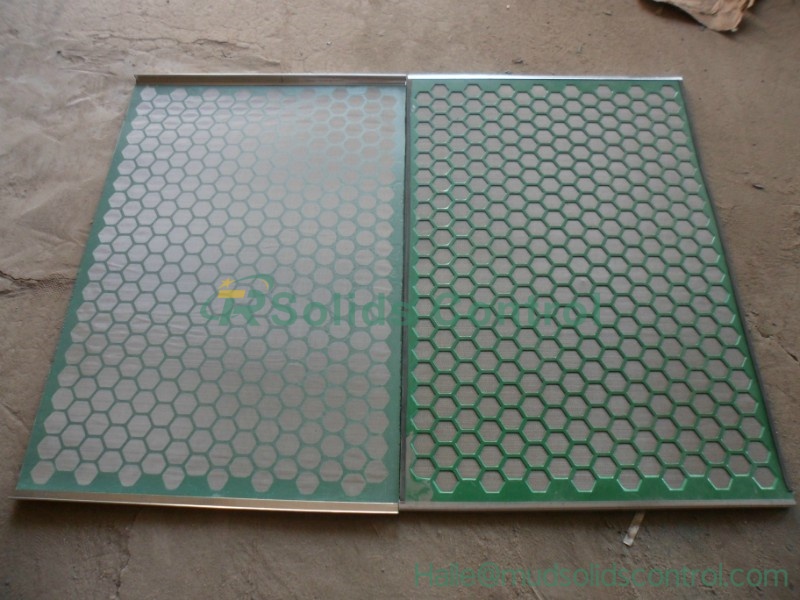
- Maximizing Drilling Fluid Recovery: By efficiently removing solids, the screens allow valuable drilling fluid to be cleaned and re-circulated, significantly reducing operational costs associated with continuously adding new fluid.
- Protecting Downstream Equipment: Effective separation at the first stage prevents finer solids from reaching and damaging more sensitive equipment downstream, such as desanders, desilters, and centrifuges, thereby extending their lifespan.
- Enhancing Overall Drilling Efficiency: Clean drilling fluid leads to faster penetration rates, improved wellbore conditions, and reduced risk of equipment failure, contributing to a smoother, more cost-effective operation.
The performance of this entire process hinges on the quality and reliability of the screen itself. This is where manufacturers like TR Solids Control excel, engineering screens that deliver consistent performance under demanding conditions.
Commitment to Quality in Solids Control
TR Solids Control has established itself as a leading manufacturer of high-quality solids control equipment, including a comprehensive range of replacement Shaker Screens compatible with various brands of shale shakers. Their screens are known for precise mesh technology, durable construction, and a design that maximizes fluid throughput and screening efficiency, making them a reliable choice for optimizing the performance of any Shale Shaker Screen system.
Comprehensive Shaker Screen Model Guide: Finding the Right Fit for Your Drilling Operations
In the demanding field of drilling fluid management, the efficiency of solids control equipment hinges on a critical component: the shaker screen. Selecting the correct Shaker Screen is paramount for optimal solids removal, which directly impacts drilling fluid performance, equipment longevity, and overall operational cost. To aid in this selection process, a comprehensive guide to shaker screen models is essential for industry professionals.
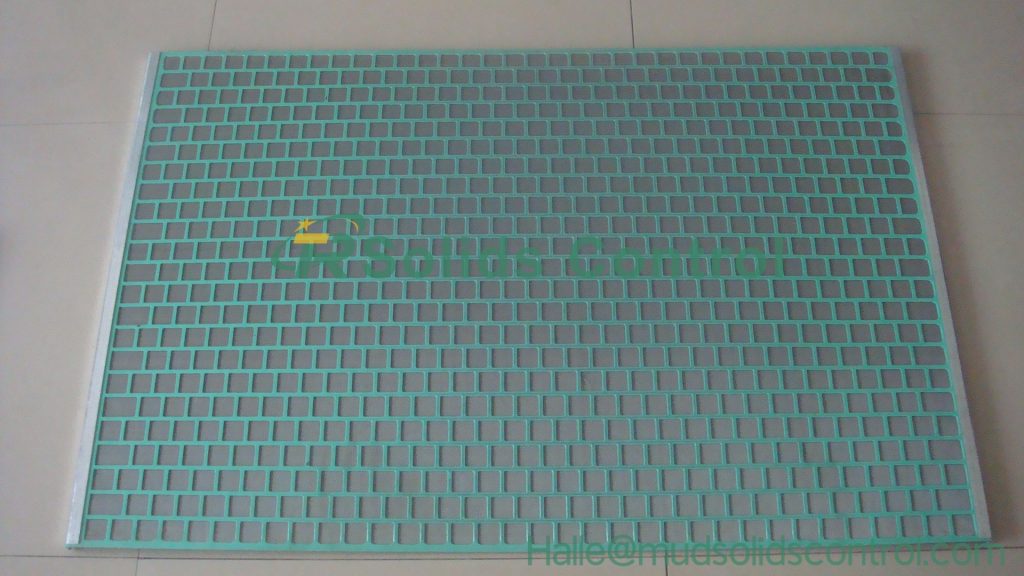
A Shale Shaker Screen acts as the primary filtering unit on a drilling rig, separating drill cuttings from the valuable drilling fluid. Its performance depends on the precise combination of screen mesh, layer configuration, and structural design. The market offers a vast array of models, differentiated by mesh size, layer count (single, double, or triple), hook strip type, and compatibility with various shaker brands.
Prominent among these are the high-performance Derrick Shaker Screen models, known for their precision and durability. These screens are engineered to meet rigorous standards, ensuring consistent performance under high flow rates and fine screening conditions.
For companies seeking a reliable source for a full spectrum of screens, TR Solids Control stands out as a leading manufacturer of solid control equipment. The company has established a strong reputation by providing a complete and diverse inventory of high-quality replacement screens. Their product line is designed to be compatible with major shaker brands, including but not limited to Derrick, Brandt, and Swaco models.
The “screening model” (complete model guide) offered by TR includes various types:
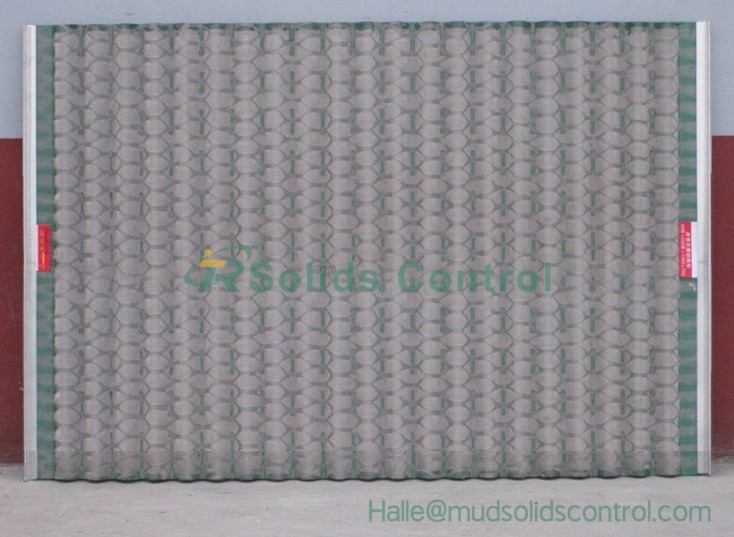
- Flat Shaker Screens: Standard models for a wide range of applications.
- Pyramid Shaker Screens: Designed for increased screening area and efficiency.
- Composite Screens: Featuring layered mesh for balanced performance between capacity and fineness.
Each model is constructed with premium materials to ensure wear resistance and a long service life, providing a cost-effective solution for drilling operations without the need for exaggerated claims. By offering such a wide specification range, TR Solids Control enables clients to find the exact screen that matches their specific well conditions and performance requirements, ensuring efficient solids control and smoother drilling processes.
The Unsung Hero of Drilling Fluids: A Closer Look at the High-Performance Shaker Screen
In the demanding world of drilling operations, efficiency and reliability are paramount. At the very heart of the solids control system lies a critical component that often goes unnoticed but plays a pivotal role in the entire process: the Shaker Screen. This precision-woven metal mesh is the first line of defense in purifying drilling fluid, ensuring that the drilling process runs smoothly, cost-effectively, and with minimal environmental impact. Without a high-quality Shale Shaker Screen, the entire operation could face costly downtime and reduced performance.
The Critical Details: Understanding Shaker Screen Specifications
The effectiveness of a Shaker Screen is determined by its specifications, which are tailored to specific drilling conditions. Key factors include:
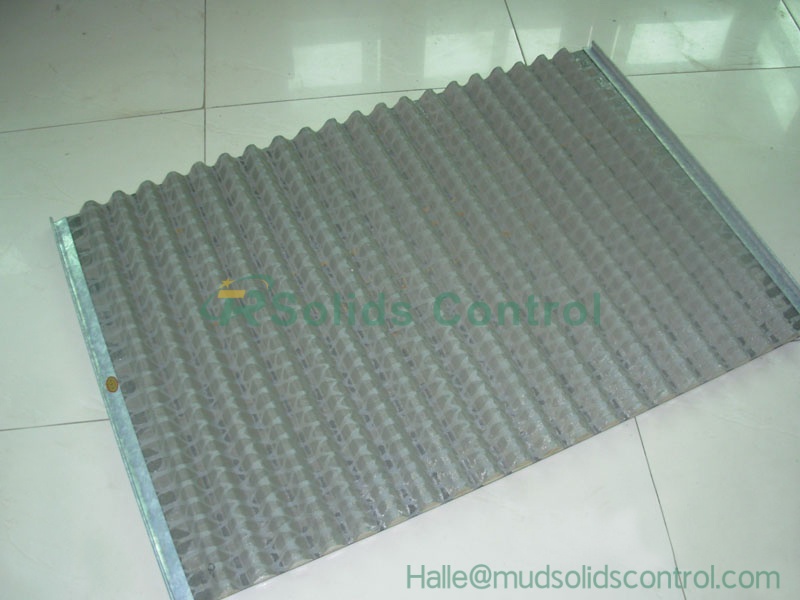
- Mesh Count: This refers to the number of openings per linear inch. A higher mesh count means smaller openings, allowing for the separation of finer solids.
- Screen Layer Construction: Screens can be single-layer, double-layer, or even triple-layer. Multi-layer screens offer superior strength and filtration efficiency, with a finer mesh layer supported by a more robust backing mesh.
- API Designation: The American Petroleum Institute (API) has standardized designations (e.g., API 80, API 150) that indicate the smallest particle size the screen can capture, providing a universal language for performance.
- Hook-strip Profile: The metal frame and hook-strip system must be robust to ensure a secure, tight fit on the shaker deck, preventing bypass and premature failure.
Selecting the right Shale Shaker Screen specification is a science, balancing filtration fineness with fluid throughput to achieve optimal results.
Recognized as an excellent manufacturer in the industry, TR Solids Control has built a reputation for producing durable, high-efficiency Shaker Screens that withstand the harshest drilling environments. Their commitment to precision engineering, rigorous quality control, and a deep understanding of client needs ensures that every Shale Shaker Screen they produce delivers maximum uptime and a superior return on investment. By choosing a trusted supplier like TR Solids Control, drilling operations can significantly enhance their solids control management, leading to a cleaner, safer, and more productive worksite.
Optimizing Drilling Efficiency: The Critical Role of Shaker Screen Specifications
In the demanding environment of modern drilling operations, efficiency and reliability are paramount. At the heart of the solids control system lies the essential Shale Shaker Screen, a component whose performance directly impacts overall productivity and cost-effectiveness. The primary function of this critical screen is to separate drilling cuttings from the valuable drilling fluid, ensuring the mud can be recirculated while efficiently discharging solids. Selecting the correct Shaker Screen is not merely a maintenance task; it is a strategic decision that influences the entire drilling process, from the health of downstream equipment to the overall wellbore stability and environmental compliance.
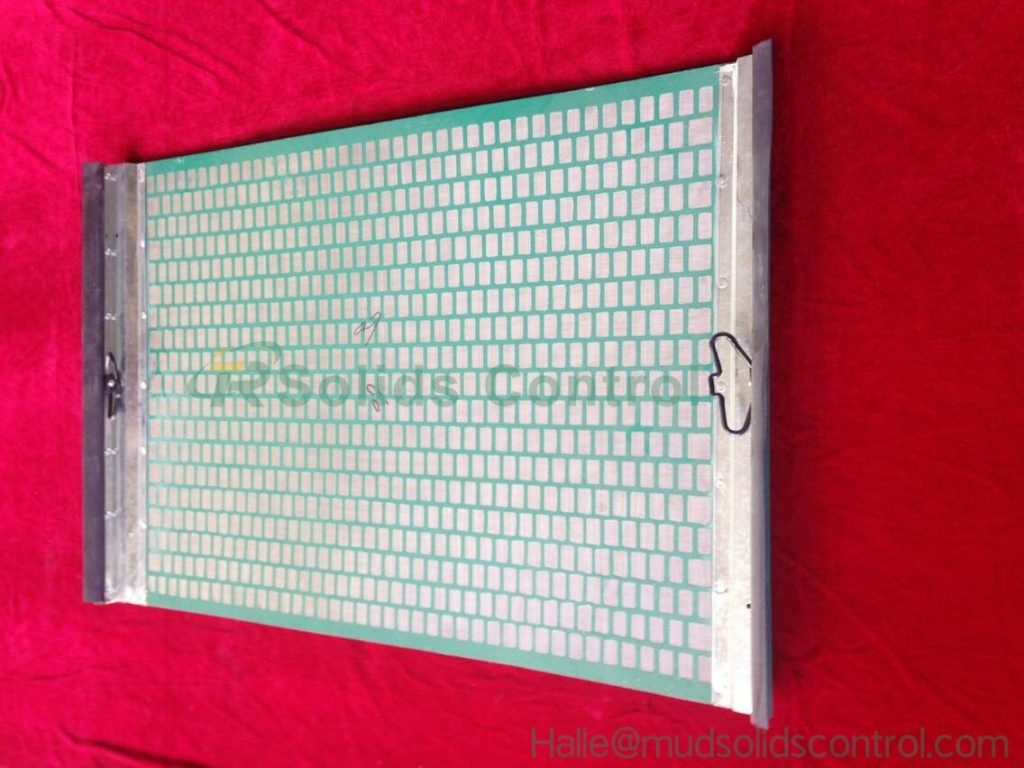
The performance of a Shale Shaker Screen is fundamentally dictated by its specifications, with mesh count and screen layering being the most crucial factors. A higher mesh count indicates finer filtration, ideal for weighted muds where retaining barite is essential, while a lower mesh count is used for rapid removal of larger cuttings. Furthermore, screens are available in single, dual, or triple-layer configurations, each designed for specific separation challenges.
Beyond mesh and layering, the structural integrity and material composition of the Shaker Screen are vital for durability in harsh conditions. Screens are constructed from high-strength stainless steel or polyurethane materials, with the latter offering excellent abrasion resistance and a longer service life. The bonding agent used between the mesh layers and the frame must withstand constant vibration and corrosive drilling fluids. A robust Shaker Screen minimizes the frequency of screen changes, reduces downtime, and provides consistent, reliable performance even under high solids-loading conditions, directly contributing to lower operational costs.
Ultimately, a thorough understanding of Shaker Screen specifications is a powerful tool for any drilling engineer or operator. By carefully matching the screen’s mesh, construction, and material to the specific drilling fluid properties and formation characteristics, companies can achieve superior solids control.
How to Choose the Right Shaker Screen for Efficient Operations
Selecting the appropriate material for a Shaker Screen is crucial for durability and performance in drilling operations. Shale Shaker Screens are commonly made from materials like stainless steel or polyurethane, each offering distinct advantages. Stainless steel provides excellent corrosion resistance and longevity, while polyurethane is known for its flexibility and ability to handle abrasive conditions. By evaluating factors such as the drilling environment and fluid type, operators can ensure their Shaker Screen material aligns with specific needs, reducing downtime and maintenance costs.
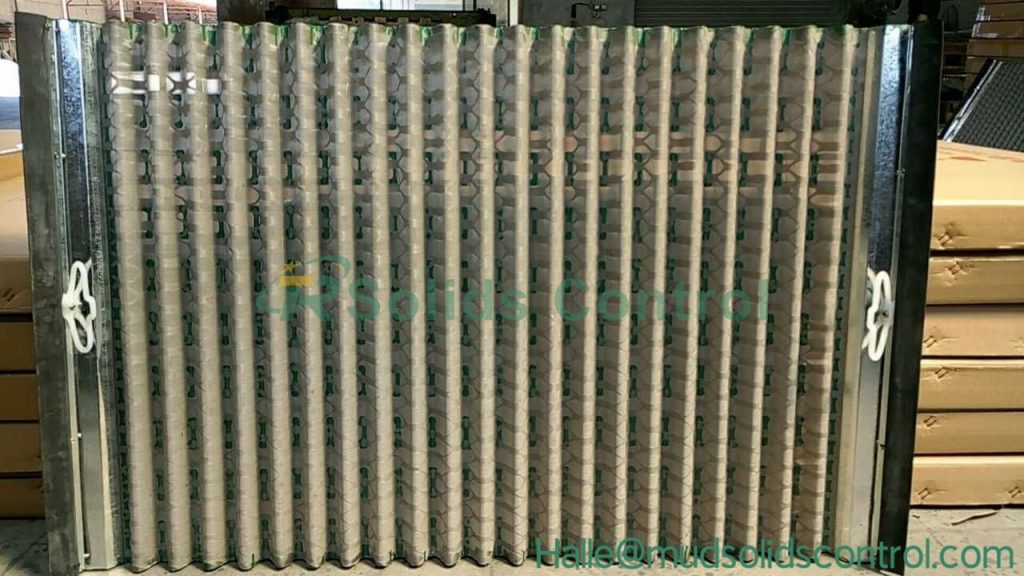
Another key consideration is choosing the correct specifications for the Shaker Screen. This includes mesh size, screen panel dimensions, and hook strip compatibility, which directly impact solids control efficiency. For instance, finer mesh sizes in a Shale Shaker Screen improve fluid recovery but may require more frequent replacements in high-solid environments. Operators should match specifications to drilling parameters, such as flow rate and particle size distribution, to optimize separation performance and extend the life of the Shaker Screen.
TR Solids Control stands out as a leading supplier of high-quality solids control equipment, including reliable Shale Shaker Screens. With a focus on innovation and customer support, they offer a range of Shaker Screen options tailored to various drilling conditions. Their expertise ensures that clients receive durable and efficient solutions, making TR Solids Control a trusted partner for industries seeking to enhance operational reliability and cost-effectiveness through superior Shaker Screen products.
In conclusion, a well-chosen Shaker Screen not only improves drilling efficiency but also minimizes environmental impact. Regular assessment of material and specifications, combined with sourcing from reputable providers like TR Solids Control, can lead to significant long-term benefits. As technology advances, staying informed about Shale Shaker Screen developments will help operators maintain competitive and sustainable practices in the field.