shaker screen manufacturer|shale shaker screen supplier
TR is China shaker screen manufacturer and shale shaker screen suplier More »

Hookstrip Flat Screens|DERRICK 503 Screen|DERRICK FLC2000 Screen
Hookstrip Flat Screens are the series applied most widely at present.DERRICK FLC503 Screen|DERRICK FLC2000 Screen More »
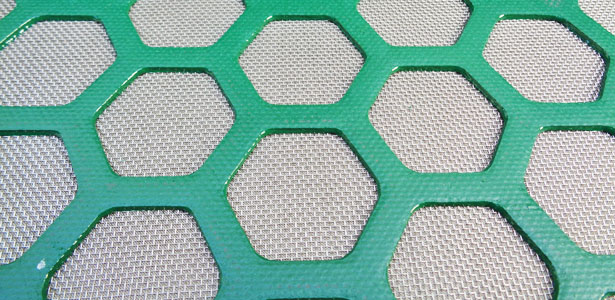
Brandt Shaker Screen|Brandt Cobra Shaker Screen
TR Solids Control Supplies Brandt Shaker Screen and Brandt Cobra Shaker Screen. More »
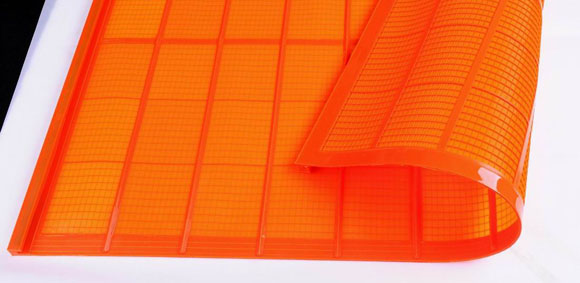
FLC Polyure Screen,PMD& FLAT Shaker Screen
Derrick Shale Shaker is Drilling Linear Shale Shaker,TR is Mud Linear Shale Shaker Manufacturer. More »
Derriok and Swoco Replacement Shaker Screens: A Cost-Effective Alternative
Shaker screens are essential consumable components in oilfield solids control systems. For drilling contractors and oilfield service companies using Derriok and Swoco shale shakers, replacement screen quality directly affects solids separation performance, drilling fluid recovery, and operating costs.
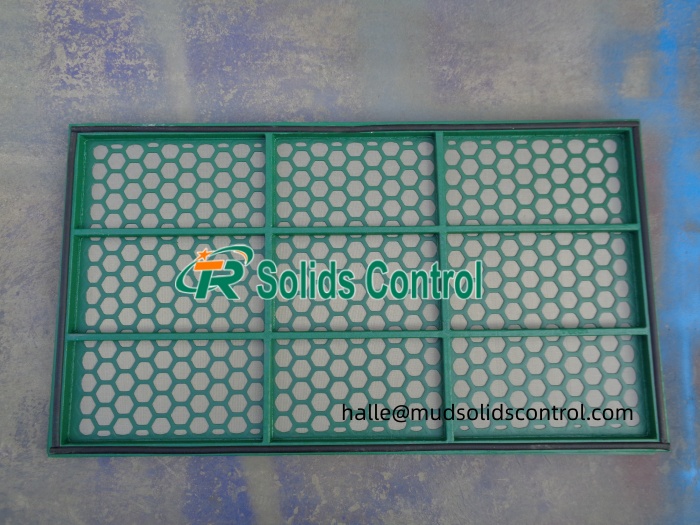
TR Solids Control is a manufacturer of replacement shaker screens for selected Derriok and Swoco shale shaker models. Our products offer an alternative for customers looking for compatible replacement screens with competitive pricing and dependable supply.
Replacement Shaker Screens for Different Shale Shaker Models
When replacing shaker screens, buyers need to consider more than mesh size. Screen dimensions, frame structure, mesh configuration, and installation requirements are also important.
TR manufactures replacement shaker screens for selected shale shaker models. Customers can provide the original screen model, equipment model, drawings, or sample photos so that we can confirm the appropriate specifications before production.
Why Choose a Replacement Shaker Screen Manufacturer?
Competitive Purchasing Costs
Replacement screens are recurring consumables in drilling operations. Working directly with a manufacturer can help buyers manage procurement costs, particularly when purchasing in bulk or supplying multiple drilling sites.
Equipment Compatibility
A replacement screen must match the relevant shaker model and installation requirements. Confirming dimensions, frame type, and screen specifications before ordering helps reduce compatibility problems.
Flexible Supply Options
Different drilling projects require different mesh sizes and screen configurations. Working directly with a manufacturer allows buyers to discuss technical requirements, order quantities, and delivery schedules.
How to Choose the Right Replacement Screen
Before placing an order, confirm the shaker model, screen part number, mesh specification, frame material, and required quantity. If the original part number is unavailable, photographs, drawings, or a physical sample can help identify the appropriate replacement.
Mesh selection should balance solids removal requirements, fluid throughput, and resistance to blinding. Compatibility and performance should be confirmed for the specific equipment and drilling application.
Contact TR Solids Control for Replacement Shaker Screens
TR Solids Control manufactures replacement shaker screens for selected shale shaker models. We work with drilling contractors, oilfield service companies, equipment distributors, and spare-parts suppliers seeking cost-effective alternatives to original-brand screens.
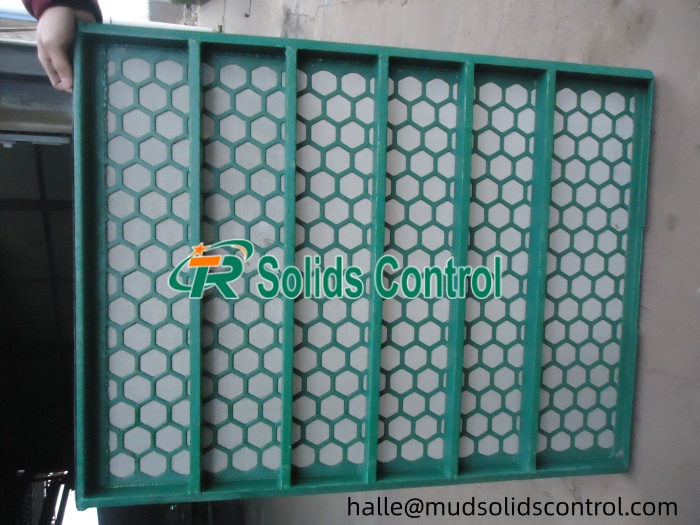
Send us your equipment model, screen part number, mesh requirements, and purchase quantity. Our team can help check compatibility and provide a quotation for your replacement shaker screen requirements.
How to Choose the Right Shale Shaker Screen for Drilling Operations
In oil and gas drilling operations, shale shaker screens play a critical role in drilling fluid solids control. They separate drill cuttings from drilling mud, helping maintain fluid properties, reduce waste, and improve the efficiency of the entire solids control system. Choosing the right shale shaker screen can directly affect drilling performance, operating costs, and screen service life.
As a professional shale shaker screen manufacturer in China, TR Solids Control provides screening solutions for different drilling conditions and solids control equipment.
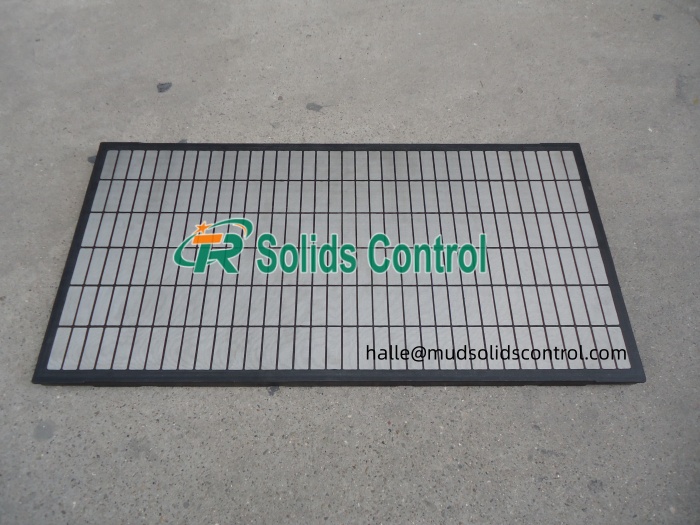
1.Understand API Screen Designations and Mesh Size
One of the most important factors when selecting a shale shaker screen is its API designation. Different API screen numbers correspond to different particle separation characteristics. A finer screen can remove smaller solid particles, while a coarser screen generally offers higher fluid throughput and may be more suitable for drilling conditions with heavy solids loading.
However, a higher API number does not automatically mean better performance. The ideal screen depends on drilling fluid properties, the size of the drill cuttings, mud flow rate, and the requirements of the drilling operation.
2.Choose the Right Screen Type and Frame Material
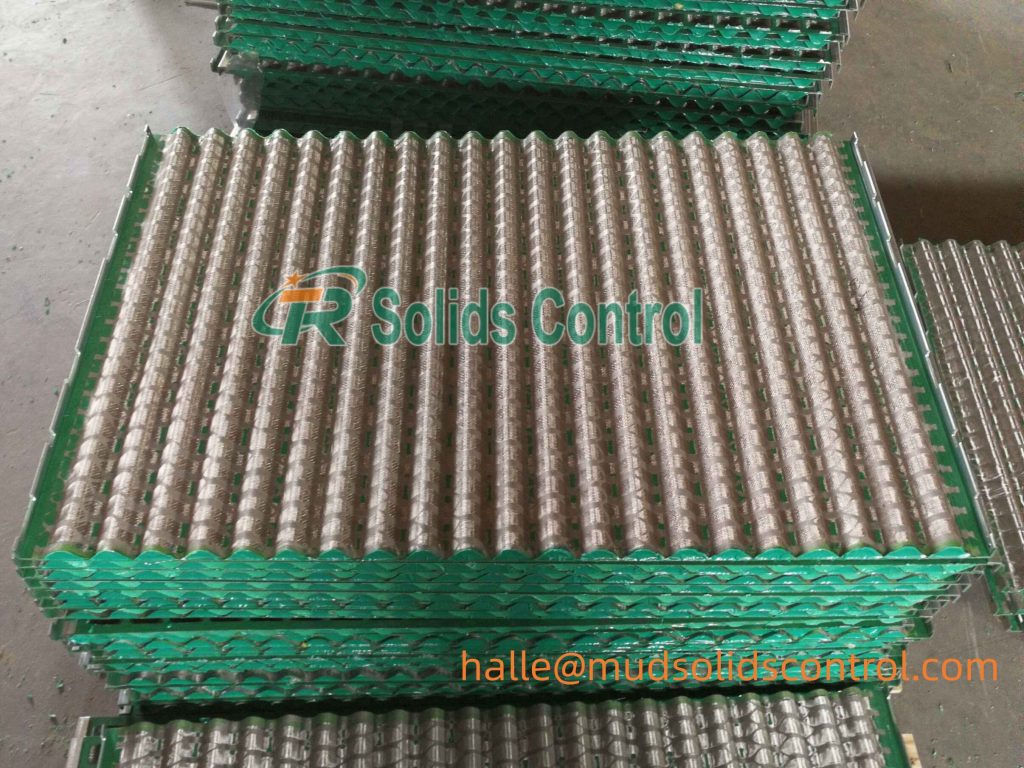
Shale shaker screens are available in different designs, including flat screens, pretensioned screens, and composite-frame screens. The correct design depends on the shaker model and its screen installation system.
Frame material is another important consideration. Steel-frame screens are widely used in traditional applications, while composite-frame screens can offer advantages in weight, handling, and corrosion resistance, depending on their design and materials.
Before purchasing, confirm the shaker brand and model, screen dimensions, frame structure, and installation method to ensure proper compatibility.
3.Consider Screening Efficiency and Service Life
Screen performance is influenced by more than mesh size alone. Effective screening area, wire mesh quality, bonding technology, screen tension, and drilling conditions all affect separation efficiency and durability.
A suitable shale shaker screen should provide a good balance between solids removal, drilling fluid recovery, throughput, and service life. Regular inspection and timely replacement of damaged or blinded screens can also help maintain stable drilling operations.
4.Why Choose a Reliable Shale Shaker Screen Manufacturer?
Working directly with a shale shaker screen manufacturer can help buyers obtain suitable screening solutions, consistent product quality, and more efficient technical communication.
TR Solids Control manufactures shale shaker screens for oilfield solids control applications, including replacement screens for compatible shaker models. We support customers in selecting suitable screen designs and API specifications according to their equipment and operating requirements.
Whether you need replacement shaker screens for ongoing drilling operations or screens for a new solids control system, providing accurate equipment information helps ensure the right product selection.
Contact TR Solids Control
Looking for a reliable shale shaker screen supplier in China? Contact TR Solids Control for product information and a quotation.
Please provide your shaker brand and model, required API screen designation, screen type, and order quantity. Our team can help you identify a suitable screen solution for your drilling operations.
Shaker Screen: An Essential Component of Solids Control
Shaker screen is a key component of a shale shaker used in oilfield drilling operations. It separates drilled cuttings from drilling fluid through vibration and screening. The recovered drilling fluid passes through the screen and returns to the mud system, while unwanted solids are transported out of the shaker.
Types of Shaker Screens
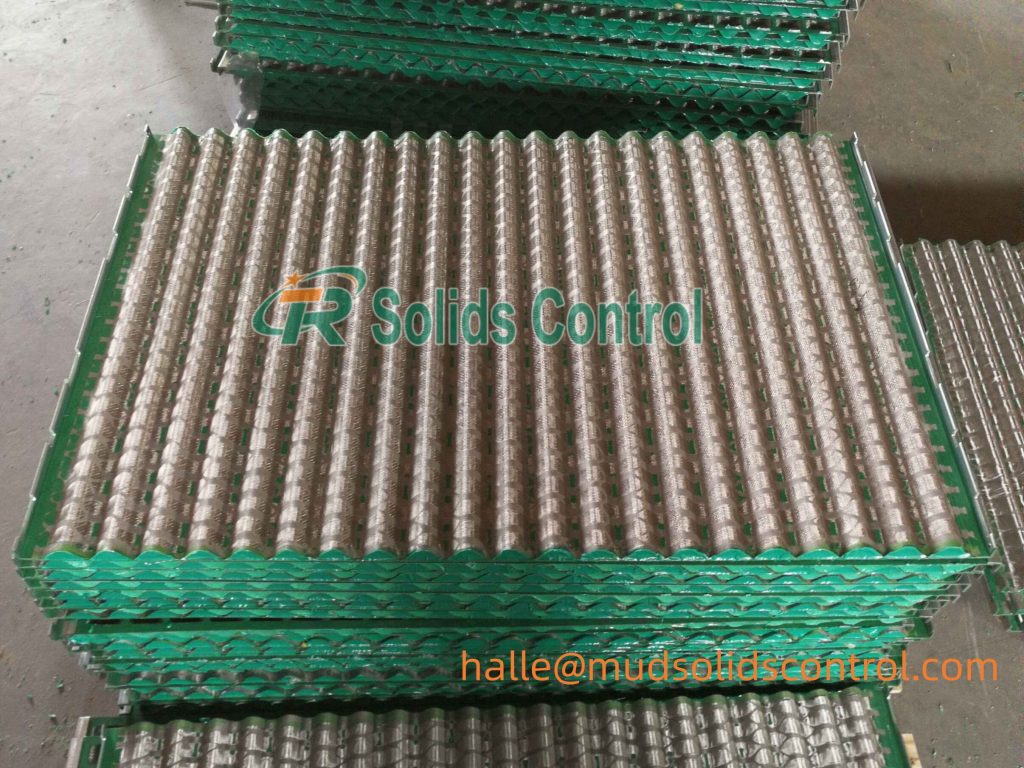
Shaker screens are available in different designs to meet various drilling requirements, including flat screens, corrugated screens, steel-frame screens, and composite-frame screens. Different mesh combinations and API screen designations provide different separation performance and flow capacity.
How to Choose the Right Shaker Screen
The correct screen should match the shale shaker model, screen dimensions, frame type, API designation, and drilling conditions. A finer screen can remove smaller solids, but it may also reduce fluid throughput. Therefore, screen selection should balance separation efficiency, flow rate, and screen life.
Replacement Shaker Screens
Replacement screens are widely used to keep shale shakers operating efficiently. A suitable replacement should have accurate dimensions and be compatible with the original screen installation and tensioning system. Choosing the right replacement screen can reduce downtime and help maintain stable solids control performance.
Tianrui Shaker Screens
Xi’an Tianrui Petroleum Machinery Equipment Co., Ltd. manufactures shaker screens for oilfield solids control applications. We can supply screens for different shale shaker models and provide replacement or customized solutions according to the customer’s equipment and specifications.
For shaker screens, replacement screens, or drilling solids control solutions, contact Tianrui for more information.
Replacement Derriok Shaker Screens: High‑fit Wear‑resistant Parts to Cut Drilling Costs
In petroleum drilling solid‑control systems, shaker screens are high‑frequency wear parts, directly affecting mud cleaning performance and overall project operating costs. Derriok shakers are widely used in oilfields worldwide. However, original OEM screens usually come with high prices and long import lead times, making urgent on‑site replenishment difficult. Many oilfield service providers are searching for reliable replacement options.
Many low‑cost aftermarket screens on the market suffer from dimension errors, screen blinding, fast wear‑out and mud leakage. Frequent replacements lead to costly downtime instead of real savings.
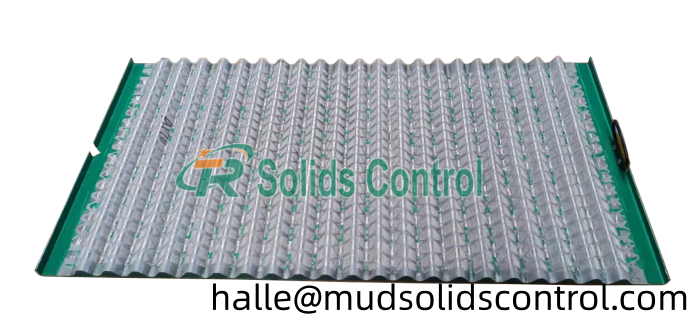
Our factory specializes in manufacturing replacement screens for Derriok series shakers. Produced strictly according to original dimension specifications, they fit Derriok FLC 503 and other mainstream shaker models. No equipment modification is needed; the screens can be installed directly upon arrival.
Built with multi‑layer stainless steel woven mesh and heavy‑duty polyurethane edges, our screens are manufactured in compliance with API RP 13C standards. High open‑area design plus anti‑blinding structure ensures good mud flow and efficient solid‑liquid separation. Resistant to mud erosion and abrasion, they deliver stable service life under high‑sand and high‑viscosity drilling conditions and reduce downtime caused by frequent screen changes. Polyurethane soft edges provide tight sealing to prevent mud leakage.
Compared with original imported parts, our replacement screens avoid middle‑man markup and import premiums for better purchasing costs. As a direct manufacturer, we keep stock for regular models with short lead‑time. Custom sizes are available to meet special requirements, and bulk export orders are supported.
These screens apply to oil & gas drilling, geotechnical projects and mud recovery treatment. They are suitable for drilling contractors as well as equipment traders.
If you are looking for stable, fast‑delivery replacement Derrick shaker screens, feel free to contact us for specifications and quotation.
Shale Shaker Screen: Key Factors for Solids‑Control Performance in Drilling Operations
In oil and gas drilling, the shale shaker screen is the most critical wearable part for solids control. It directly affects mud quality, drilling efficiency and rig operating costs. Most field issues like screen blinding, early tearing and mud leakage are not caused by poor rig operation. They happen because teams choose screens based only on mesh count or low price, without matching actual drilling conditions. This article shares practical, field‑tested factors to help you select better shale shaker screens and reduce unplanned downtime.
Why Shaker Screens Matter for Solids Control
The shale shaker handles the first step of solids removal. It separates drill cuttings from returning mud and protects the entire solids control system, including desanders, desilters and centrifuges. A well‑matched screen keeps mud solids content stable, reduces equipment wear and lowers mud consumption. A wrong screen leads to frequent screen replacement, poor separation efficiency and higher overall operating costs.
Follow API RP 13C Standard (Not Just Mesh Count)
Many buyers only compare mesh numbers, which is the biggest sourcing mistake. Field performance depends on API RP 13C verified data: D50/D100 cut‑point determines real solids separation accuracy, while conductance decides mud passing speed and handling capacity. Screens with the same mesh count can have totally different separation and throughput performance. Always request official API test reports for project‑based procurement.
Screen Material & Structure Selection
Working conditions decide which screen structure fits best. 316L stainless steel is ideal for offshore, saltwater and oil‑based mud with strong corrosion resistance. 304 stainless steel is cost‑effective for onshore and conventional water‑based mud drilling. Multi‑layer composite screen delivers high precision and anti‑tear performance, suitable for deep wells and high‑demand mud systems. Wave‑type corrugated screen effectively reduces blinding for high‑viscosity and clay‑rich formations. Single‑layer flat screens work fine for shallow and low‑abrasion wells, but fail easily under heavy‑duty drilling.
Equipment Compatibility Makes a Huge Difference
Even high‑quality screens fail if they do not fit your shaker. Poor fitting causes most on‑site leakage and early damage. Unmatched hook strip size leads to poor tensioning, low‑precision rubber borders create mud gaps, and inconsistent panel size causes screen offset and abnormal vibration. We provide plug‑and‑play screens for mainstream models including Derriok FLC503, Brandit and Swacoo. Exact dimensional consistency ensures stable field performance.
Match Screens with Real Drilling Conditions
There is no universal screen for all drilling scenarios. For water‑based mud with heavy clay, prioritize anti‑blinding wave screens. Oil‑based mud applications require stable cut‑point and oil corrosion resistance. For high flow rate drilling, choose high‑conductance screens to avoid mud overflow. For hard rock and abrasive formations, select thick wire mesh for longer service life. Over‑specifying fine mesh blindly will only cause severe blinding and reduce overall processing capacity.
Avoid Common Field Screen Failures
Most screen problems come from predictable causes. Blinding usually results from over‑fine mesh, high clay content and insufficient open area. Early tearing happens due to uneven tensioning, poor mesh toughness and excessive G‑force. Mud leakage is mainly caused by bad rubber sealing and mismatched screen size. Correct selection and installation can greatly extend screen service life.
Quick Sourcing Checklist for Drilling Teams
- Confirm your exact shale shaker model and installation size
- Define mud type, formation condition and circulation flow rate
- Check API RP 13C cut‑point and conductance data
- Evaluate screen lifespan and downtime cost, not only unit price
- Choose reliable suppliers with stable batch quality
Shale shaker screens are simple wear parts, but they dominate solids control stability. Instead of focusing only on low prices, matching API performance, material structure and working conditions is the key to reducing NPT and cutting long‑term drilling costs. We supply API‑qualified replacement shale shaker screens for all mainstream shaker models. If you need technical parameters or custom solutions, feel free to contact our team.
What Is a Shaker Screen? Everything You Need to Know
In drilling operations, solids control plays an important role in improving drilling efficiency and reducing operating costs. A shaker screen is one of the key components in a solids control system, as it directly affects the separation performance of a shale shaker.
A high-quality shaker screen removes unwanted solids from drilling fluid while allowing valuable drilling mud to be recovered and reused. It is widely used in oil and gas drilling, horizontal directional drilling (HDD), mining, and other drilling applications.
What Is a Shaker Screen and How Does It Work?
A shaker screen, also known as a shale shaker screen or drilling fluid screen, is a filtration component installed on a shale shaker. Its main purpose is to separate drilling cuttings and solid particles from drilling fluid during the drilling process.
During operation, the shale shaker creates vibration that moves drilling fluid across the screen surface. Smaller particles and liquid pass through the mesh openings, while larger solids are removed. The separation efficiency depends on factors such as mesh size, screen design, and drilling conditions. Choosing the right shaker screen helps improve solids control performance and reduce fluid loss.
Types of Shaker Screens and How to Choose the Right one
Shaker screens are available in different designs and materials, including flat shaker screens, pyramid shaker screens, steel frame screens, and composite frame screens. Flat screens are commonly used due to their reliable performance and cost-effectiveness, while pyramid screens can provide a larger screening area and higher processing capacity. Composite frame screens offer advantages such as lightweight structure and corrosion resistance.
When selecting a shaker screen, customers should consider factors such as equipment model, mesh size, drilling conditions, and required separation performance. Replacement shaker screens are available for various shale shaker brands, including Derrick, Brandt, M-I SWACO, and NOV. A high-quality replacement screen should have accurate dimensions, stable performance, and long service life.
Why Choose a Reliable Shaker Screen Manufacturer?
A professional shaker screen manufacturer provides consistent quality, customized solutions, and reliable support for different drilling applications. Strict quality control throughout production, from mesh processing to final inspection, helps ensure stable screen performance.
With experience in manufacturing replacement shaker screens, a reliable supplier can provide suitable solutions based on customer requirements, including different mesh sizes, frame types, and shaker models. High-quality shaker screens help improve solids control efficiency, reduce drilling fluid waste, and lower operating costs.
Derriok Replacement Shaker Screens: A Complete Buyer’s Guide
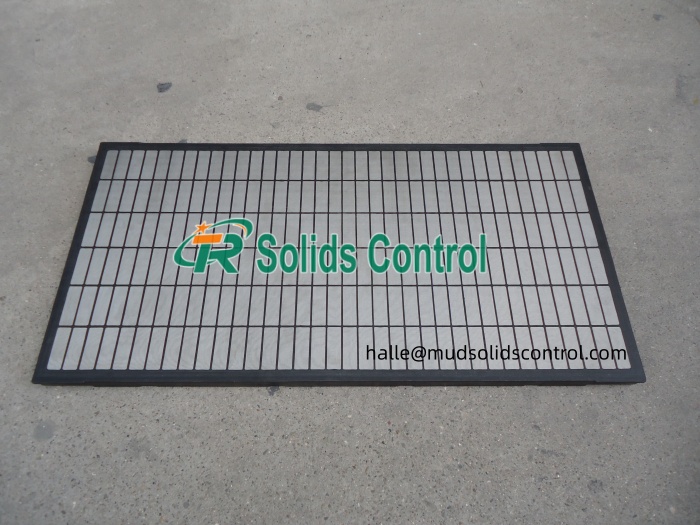
Choosing the right replacement shaker screen is essential for maintaining efficient solids control during drilling operations. A high-quality screen helps improve drilling fluid recovery, reduce equipment downtime, and lower overall operating costs. Whether you are purchasing screens for oil and gas drilling, HDD, or other drilling applications, understanding the key selection factors can help you make a better decision.
What Should You Consider When Choosing a Replacement Screen?
The first consideration is compatibility. A replacement screen should fit your shale shaker properly to ensure stable operation and easy installation. It is also important to select the right screen type and mesh size based on drilling conditions. Flat screens are widely used for standard drilling projects, while pyramid screens provide a larger screening area and higher fluid handling capacity. Choosing the correct mesh helps achieve the right balance between solids removal and drilling fluid recovery.
Why Does Screen Quality Matter?
The quality of a shaker screen directly affects drilling efficiency. High-quality replacement screens provide accurate mesh openings, strong bonding, consistent performance, and longer service life. A reliable screen can reduce fluid loss, minimize screen replacement frequency, and help lower overall operating costs. Although low-cost screens may seem attractive, poor quality often results in more downtime and higher maintenance expenses.
Choosing the Right Manufacturer
Selecting an experienced manufacturer is just as important as choosing the screen itself. A professional supplier should offer stable product quality, strict quality control, fast delivery, and technical support. Working with a reliable manufacturer ensures consistent performance and long-term value for your drilling operations.
Finding the right Derriok replacement shaker screen is about more than matching dimensions. By considering compatibility, mesh selection, product quality, and supplier experience, buyers can improve solids control efficiency while reducing maintenance costs. Investing in high-quality replacement screens is a practical way to achieve reliable performance and better drilling results.
What Is a Shaker Screen? Everything You Need to Know.
A shaker screen is one of the most important components in a drilling solids control system. Although it is a relatively simple product, it plays a critical role in separating drilled solids from drilling fluid, helping maintain mud quality and improve drilling efficiency.
Whether you’re operating an oil and gas drilling rig, an HDD project, or a mud recycling system, understanding how shaker screens work can help you choose the right screen and reduce operating costs.
What Is a Shaker Screen?
A shaker screen is the filtering element installed on a shale shaker. Its purpose is to remove drill cuttings and other unwanted solids from drilling fluid while allowing clean drilling mud to pass through for reuse.
As drilling mud returns from the wellbore, it carries rock cuttings and debris. The vibrating motion of the shale shaker moves these solids across the screen surface, while the filtered drilling fluid flows through the mesh and returns to the circulation system.
Efficient solids removal helps extend the life of drilling equipment, reduce mud waste, and improve overall drilling performance.
Types of Shaker Screens
Different drilling conditions require different shaker screens. The most common types include:
Steel Frame Shaker Screens – Known for their strength and durability, making them suitable for demanding drilling environments.
Composite Frame Shaker Screens – Lightweight, corrosion-resistant, and easy to install, offering a longer service life in many applications.
Pyramid (Corrugated) Shaker Screens – Designed with a larger effective screening area to improve fluid handling capacity and separation efficiency.
How to Choose the Right Shaker Screen ?
Choosing the correct shaker screen is essential for achieving the best performance. Consider the following factors:
- API RP 13C Rating – Ensures standardized screen performance and particle separation..
- Mesh Size – Different mesh sizes are suitable for different drilling formations.
- Shale Shaker Compatibility – The screen should match your equipment model for proper installation and sealing.
- Screen Quality and Service Life – High-quality materials provide better wear resistance and reduce replacement frequency.
A high-quality shaker screen is more than just a replacement part—it is a key component for efficient solids control and cost-effective drilling operations. By selecting the right screen for your drilling conditions, operators can improve mud recovery, protect downstream equipment, and increase overall drilling efficiency.
At TR Solids Control, we manufacture high-quality replacement shaker screens compatible with many leading shale shaker brands. Our screens are designed to deliver reliable performance, long service life, and consistent solids separation for drilling projects around the world.
Derriok Shaker Screen Types: Which One Is Right for Your Drilling Operation?
Derriok Shaker Screen Types: Which One Is Right for Your Drilling Operation ?
Derriok 2000 Shaker Screen :
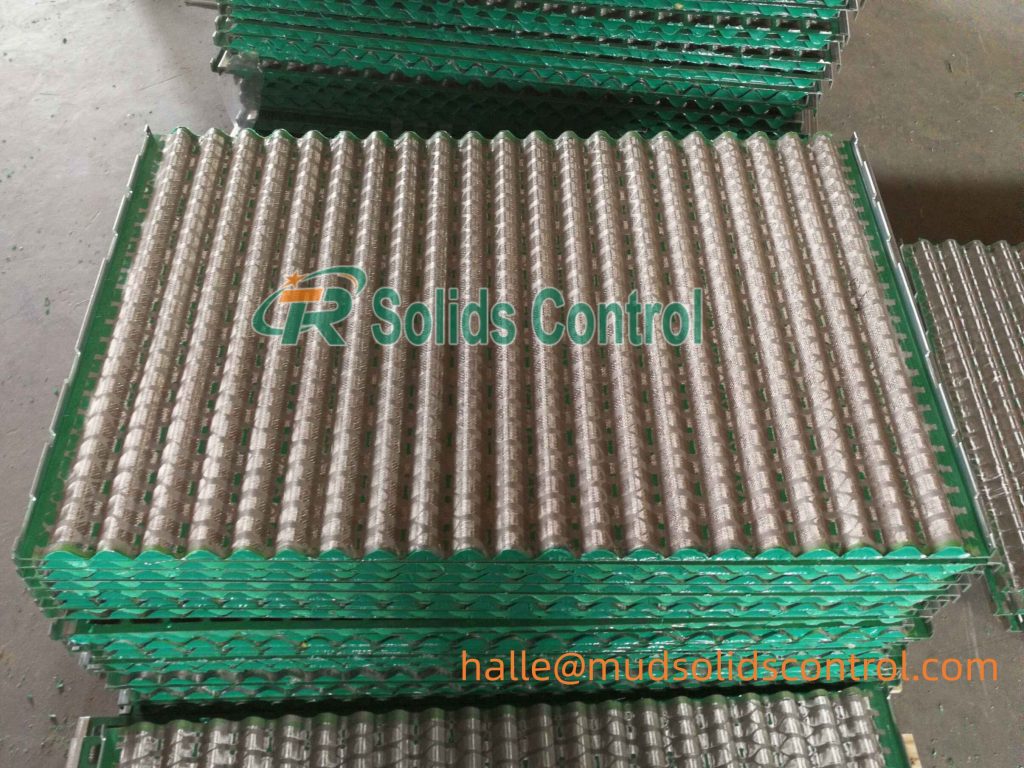
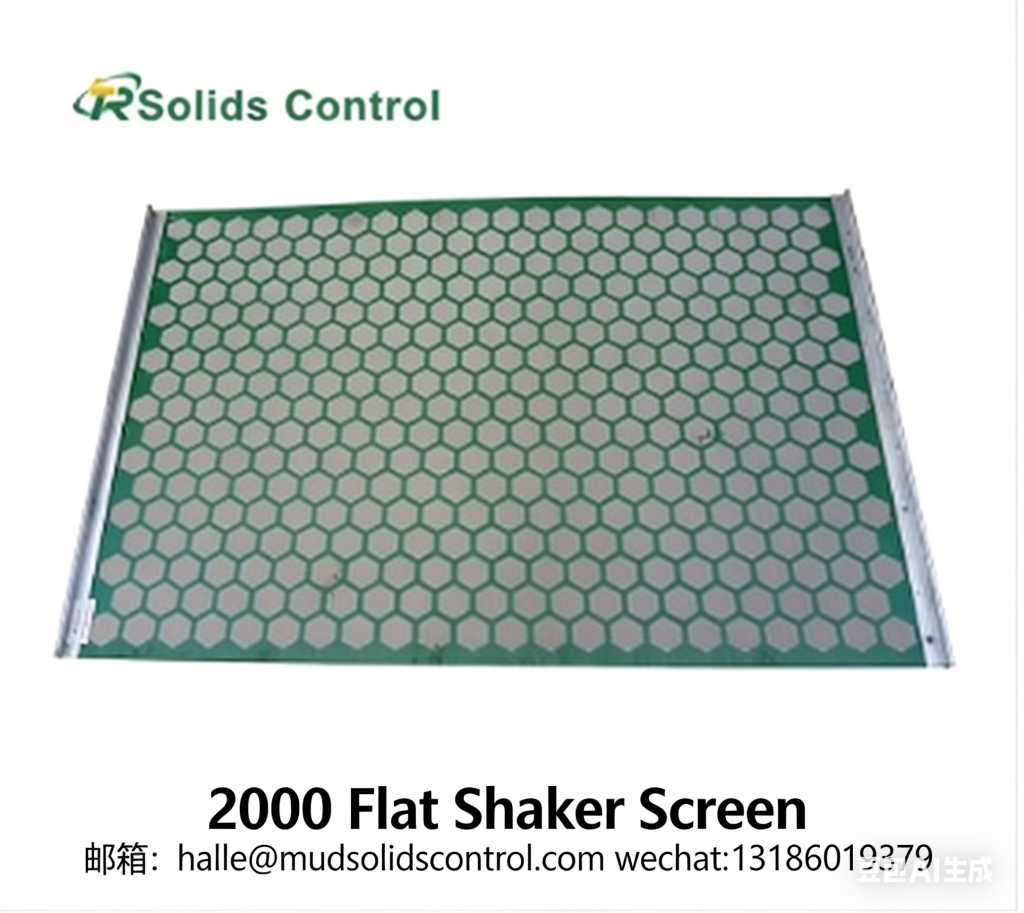
The Derriok 2000 shaker screen is one of the most widely used models in the drilling industry. It is designed for Derriok FLC 2000 series shale shakers and is available in both flat and pyramid styles. These screens provide excellent fluid handling capacity and efficient solids separation, making them suitable for most oil and gas drilling applications.
Derriok 503/504 Shaker Screen :
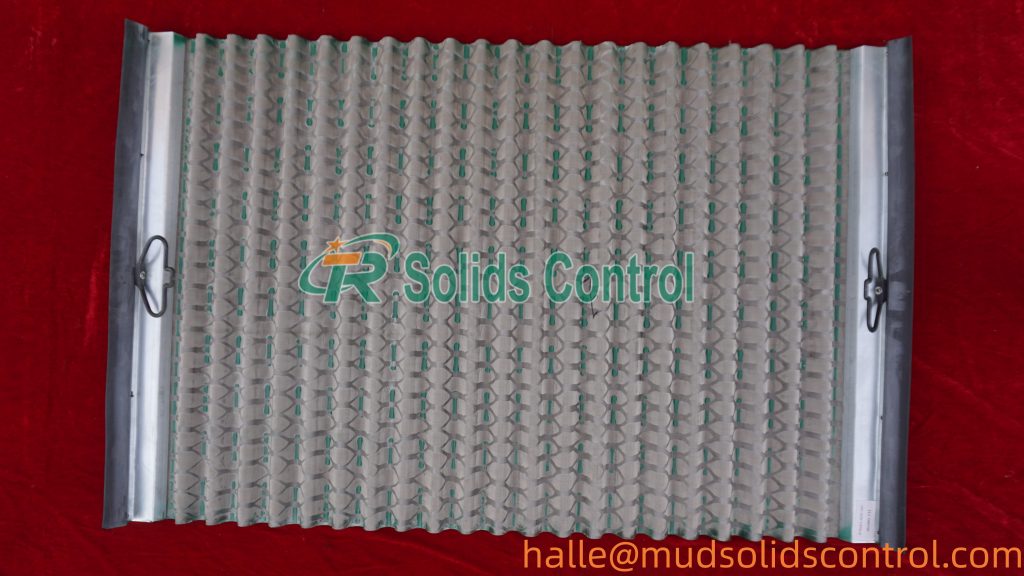
The Derriok 503/504 shaker screen is another popular choice for drilling contractors. It offers reliable screening performance, easy installation, and long service life. With a wide range of API mesh sizes available, it can be used in various drilling conditions while maintaining stable mud recovery.
Derriok Air Cushion Shaker Screen :
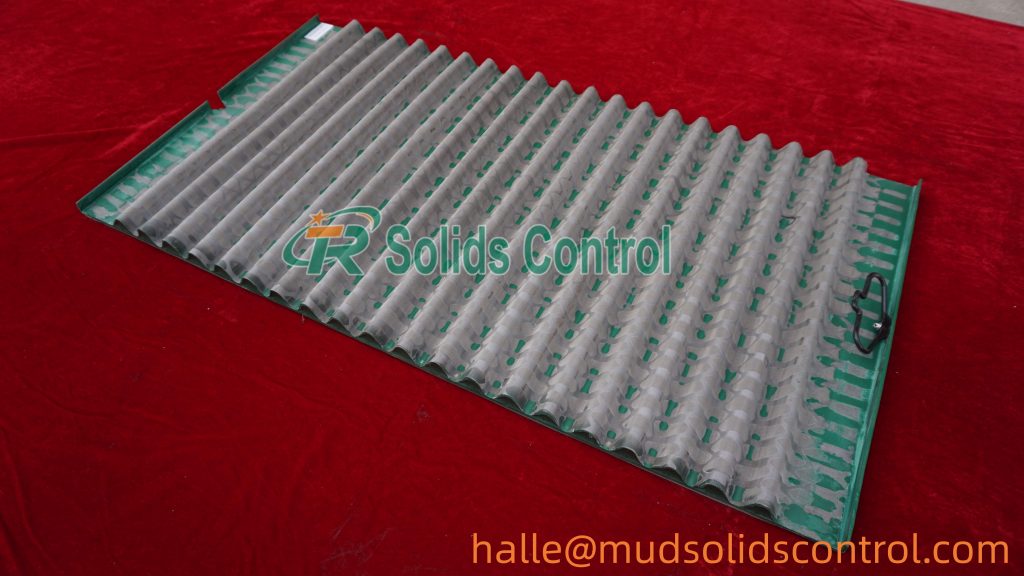
The Derriok air cushion shaker screen uses an air bag sealing system to improve sealing performance and reduce drilling fluid bypass. This design allows for quick screen replacement and helps extend screen life, making it a preferred option for high-performance drilling operations.
Looking for a Reliable Replacement?
Original Derriok screens deliver excellent performance, but many drilling companies are choosing high-quality replacement screens to reduce operating costs. As a professional shaker screen manufacturer, Xi’an Tianrui produces API RP 13C certified shaker screens that are fully compatible with Derriok equipment.
Our replacement products include:
- Derriok 2000 shaker screen
- Derriok 503/504 shaker screen
- Derriok air cushion shaker screen
With strict quality control, premium stainless steel mesh, and competitive pricing, Xi’an Tianrui supplies reliable replacement shaker screens to customers around the world.
If you are looking for a dependable Derriok shaker screen replacement, contact Xi’an Tianrui for professional support and customized solutions.
Why Is the Shaker Screen So Important in Oilfield Drilling?
Why Is the Shaker Screen So Important in Oilfield Drilling?
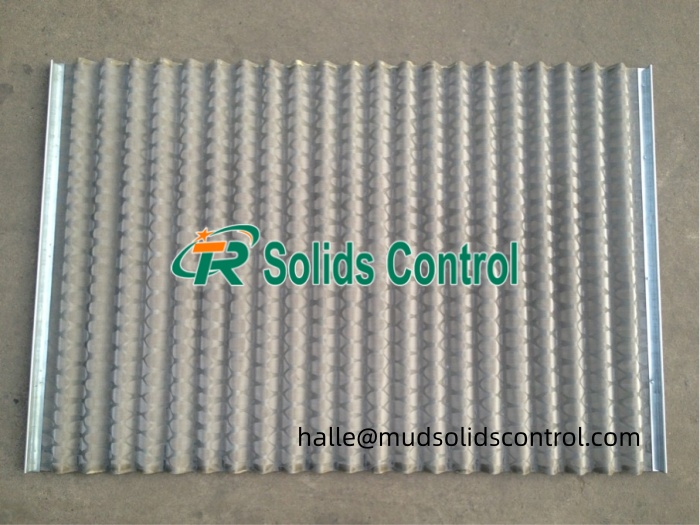
Although it is a consumable product, the quality of the shaker screen has a direct impact on drilling efficiency, mud recovery, and equipment protection.
A high-quality screen offers several advantages:
- Efficient solids separation
- Longer service life
- Better drilling fluid recovery
- Reduced screen replacement costs
- Stable performance in harsh drilling conditions
When selecting a shaker screen, consider API mesh size, screen conductance, durability, and compatibility with your shale shaker model.
TR Solids Control manufactures high-quality replacement shaker screens for many leading shale shaker brands. Our screens are made from premium stainless steel wire mesh and undergo strict quality inspection to ensure reliable performance and long service life.
Choosing the right shaker screen helps improve drilling efficiency while reducing operating costs.