Tag Archives: Shaker Screen Price
Shaker Screen for Mud Shale Shaker
In a mud shale shaker system, the shaker screen does the real separation work. Its performance directly affects how efficiently solids are removed and how stable the equipment runs. As a shaker screen manufacturer, Tianrui focuses on practical performance—strong structure, durable materials, and consistent quality that can handle high vibration and tough drilling conditions. A reliable screen helps keep the mud system running smoothly and reduces unnecessary downtime.
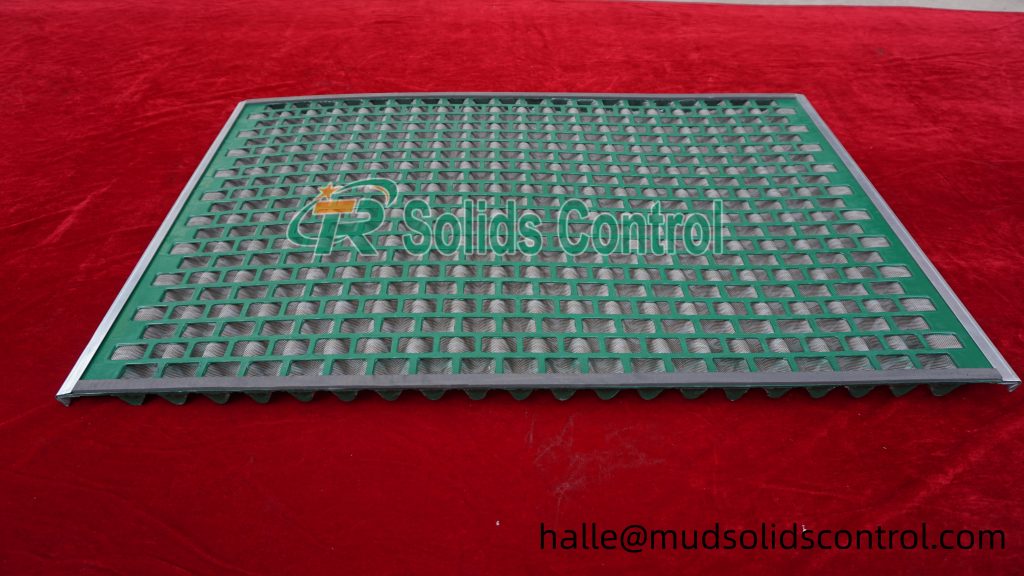
Here are a few common questions from users:
How to choose a shaker screen manufacturer?
It’s not just about who can produce screens, but who understands the application. A good shaker screen manufacturer should be able to match the screen to different shaker models and working conditions. Tianrui emphasizes stable quality and real-world performance, ensuring each screen offers good wear resistance and a dependable service life.
Why do shaker screen prices vary so much?
The difference usually comes from materials and manufacturing quality. Cheaper screens may look similar, but they wear out faster and need to be replaced more often. Higher-quality screens cost more upfront, but they last longer and perform more consistently. So when comparing shaker screen price, it makes more sense to look at overall cost rather than just the initial purchase.
How does the screen affect shaker performance?
Mesh size and screen structure have a direct impact on separation results. If the screen isn’t suitable, it can lead to problems like fluid loss, clogging, or low efficiency. A well-made screen keeps the process stable and improves overall performance.
In daily operation, the screen may seem like a small part, but it plays a big role in efficiency and cost control. Tianrui, as a shaker screen manufacturer, aims to provide durable products and reasonable shaker screen price options to support reliable and efficient drilling operations.
Explosion-proof Frame Screen, Durable Vibrating Screen Parts for Solid Control System
In oil and gas drilling, solid control equipment is essential for drilling fluid purification and solid-liquid separation. Traditional frame screens, as core shaker consumables, often suffer from cracking, deformation and mesh damage under high-frequency vibration, mud erosion and harsh working environments. Frequent replacement will increase operational costs and cause unplanned downtime, greatly affecting construction efficiency.
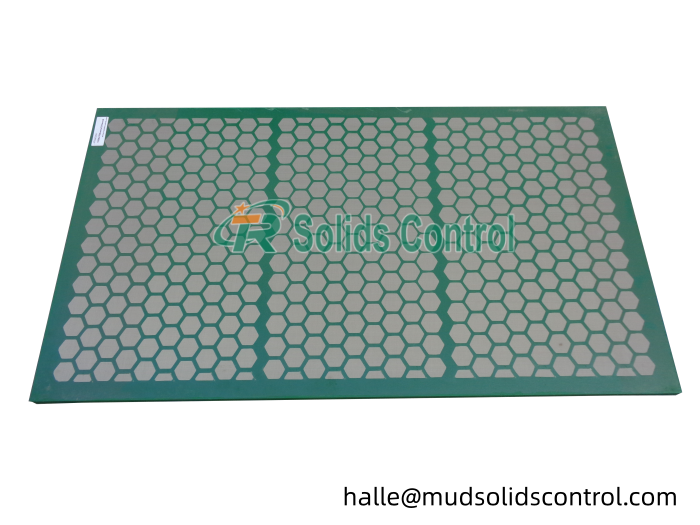
Our explosion-proof frame screen is specially upgraded for severe oilfield conditions. With a reinforced integral frame structure, it delivers superior compression, shock and tear resistance, effectively preventing frame fracture and edge falling during long continuous operation. Adopting premium wear and corrosion-resistant materials, it maintains stable screening accuracy, high liquid permeability and anti-blocking performance in complex mud environments.
Featuring simple installation and strong compatibility, it can directly replace most mainstream vibrating screen parts. This high-durability frame screen helps cut maintenance expenses and reduce shutdown frequency, serving as an ideal durable solution for oilfield solid control, drilling mud treatment and related industrial screening work.
High-Strength Composite Screen, Fine Filtration for Multiple Working Conditions
High-strength composite screens are engineered for industrial filtration scenarios, blending durability, filtration efficiency and adaptability into a single solution. Crafted from advanced composite materials, they boast high hardness, strong toughness and corrosion resistance—addressing common pain points of traditional screens such as rapid wear, deformation and damage during prolonged use. The integrated molding process enhances overall structural stability, enabling resistance to high-intensity vibration, impact and erosion from harsh media, thus extending service life in complex operational environments.
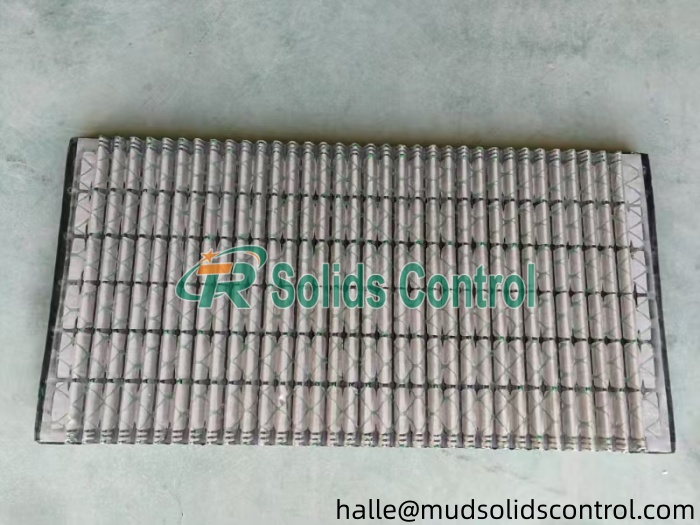
Fine filtration stands as a core feature of these composite screens. Precision weaving technology and optimized mesh design enable accurate classification and filtration of materials, separating impurities of varying particle sizes while ensuring unobstructed material flow. Even mesh distribution prevents clogging caused by uneven weaving or loose structures, maintaining consistent filtration efficiency over time and reducing the need for frequent cleaning and replacement, which boosts the overall operational efficiency of screening systems. Viscous materials, fine particles and mixed media all undergo efficient and thorough filtration through this advanced design.
Strong adaptability to multiple working conditions defines the practical value of these screens. They find wide application across industrial sectors including mining, metallurgy, chemical engineering, building materials, environmental protection and food processing. Capable of adapting to diverse working environments—high temperature, high humidity, corrosion and strong vibration—they handle various materials ranging from ore and powder to slurry and solid-liquid mixtures. A full range of specifications and mesh sizes are available, with customization options to match different screening equipment and operational requirements, ensuring seamless integration into existing production lines.
Industrial enterprises benefit significantly from high-strength composite screens. Their long service life and low replacement frequency reduce operational and maintenance costs. Stable and accurate filtration quality ensures product consistency, supporting enterprises in improving production efficiency and product standards. These screens balance performance, durability and versatility, serving as a reliable foundation for the stable operation of various industrial production lines.
High Density Replacement Screens for Shale Shakers
High density shale shaker screens are engineered to deliver superior solid-liquid separation performance in demanding oilfield and drilling operations. With a tighter mesh structure and increased wire density, these screens offer enhanced filtering accuracy while maintaining excellent structural strength. They are designed to handle high flow rates and abrasive drilling fluids, ensuring consistent screening efficiency even under long hours of continuous operation.
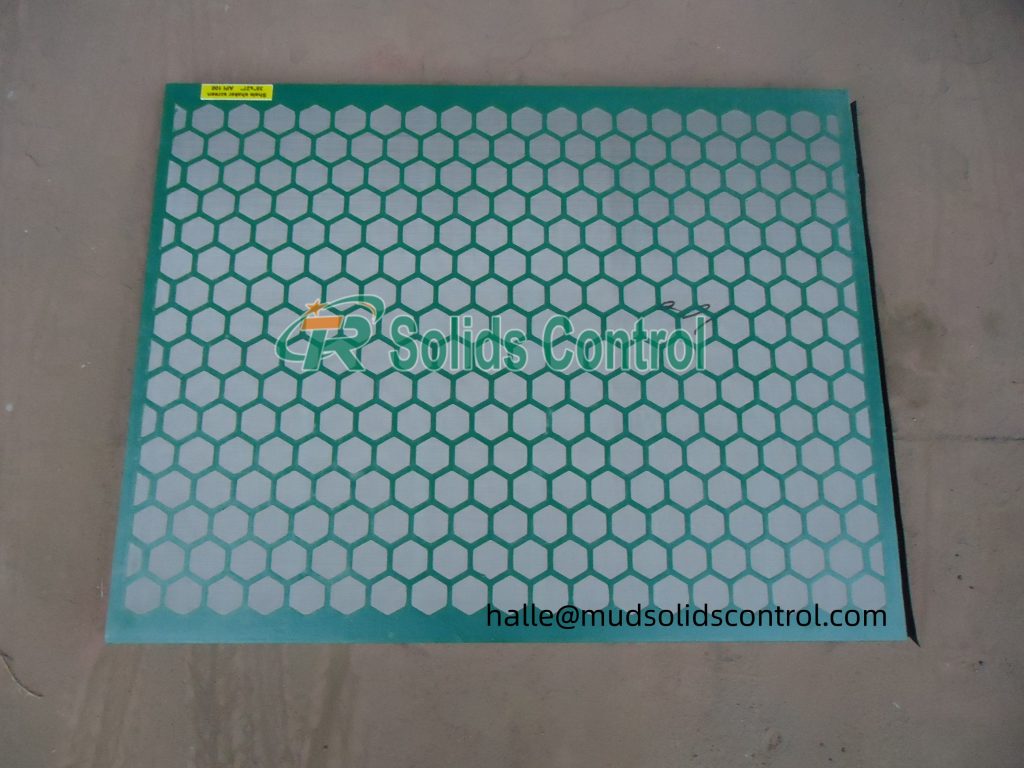
The advanced manufacturing process used in these high-density screens improves wear resistance and extends service life, reducing the frequency of replacements and lowering maintenance costs for drilling operations. The optimized screen surface minimizes clogging and blinding, allowing smooth material passage and stable screening performance. This makes them highly compatible with various types of shale shakers used in solid control systems.
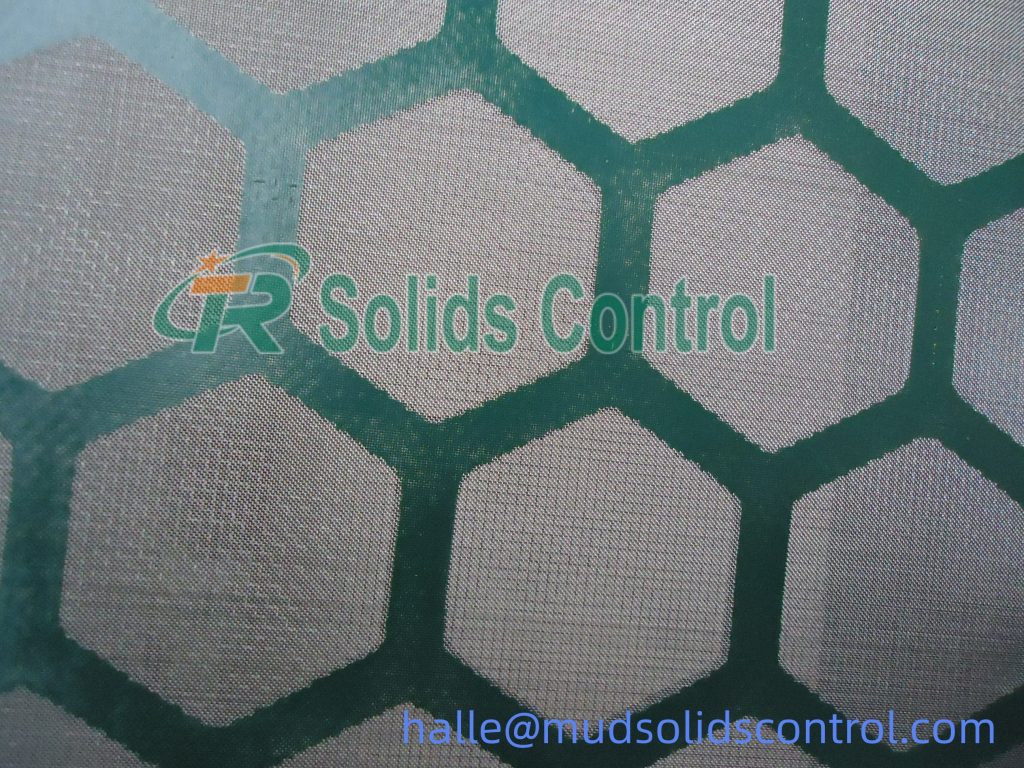
In addition to performance and durability, high density shale shaker screens provide excellent cost-effectiveness for international clients. Their reliable quality supports uninterrupted on-site operation, helping to improve overall drilling efficiency and reduce downtime. Whether for onshore or offshore drilling projects, these screens meet strict industry standards and satisfy the rigorous requirements of global oilfield customers.
We focus on providing customized high-density screen solutions tailored to different mesh sizes, materials, and operational conditions. Our screens are manufactured with precise aperture control to ensure consistent classification results. With stable quality and competitive pricing, they have become a preferred replacement part for drilling contractors and equipment operators worldwide.
API Standard Shale Shaker Screen
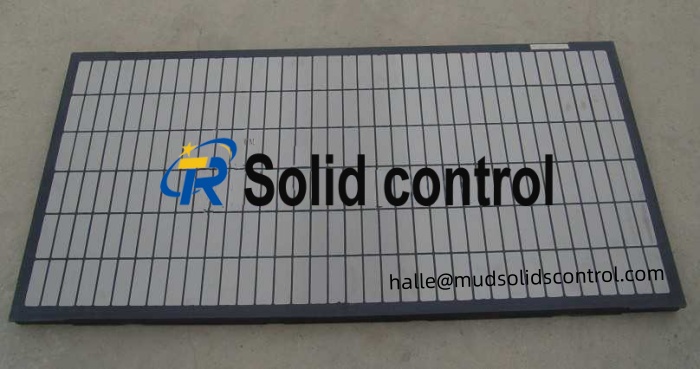
In oil and gas drilling, horizontal directional drilling (HDD) and other engineering projects, the purification efficiency of drilling fluid (mud) directly determines the safety and cost of drilling operations. API standard shale shaker screen is the core “first line of defense” in the mud solids control system.
API (American Petroleum Institute) standards are the universal authoritative specifications for global oil drilling equipment. API-compliant shale shaker screens have passed strict industry verification in terms of material, craftsmanship and performance, serving as the access-level requirement for overseas drilling projects, and also the core quality benchmark for RS Solids Control screen products.
These screens are specially designed for shale shakers, with the core function of efficiently separating cuttings, sand and other solid impurities from drilling fluid, allowing the purified mud to circulate back into the well and continuously play the key roles of cooling the drill bit, balancing well pressure and carrying cuttings. Our API standard screens adopt high-strength stainless steel woven mesh and composite screen frame structure, featuring three core advantages:
1.Extreme Screening Efficiency: With precise mesh aperture and optimized screen surface design, it can quickly separate solid particles of different sizes during high-flow mud treatment, greatly improving mud purification effect and reducing the load on subsequent desander and desilter equipment.
2.Ultra-Long Service Life: The material properties of wear resistance, corrosion resistance and fatigue resistance can adapt to complex drilling conditions of high temperature, high pressure and high sand content, greatly reducing screen replacement frequency and downtime for maintenance, directly lowering drilling operation costs.
3.Global Universal Compatibility: Strictly following API standard dimensions, it can perfectly fit mainstream brands of shale shakers at home and abroad, and can be directly installed and used without equipment modification, with full compatibility.
For drilling engineering, screens are not simple consumables, but core components to ensure drilling efficiency and avoid safety risks such as wellbore collapse. RS Solids Control’s API standard shale shaker screens follow API specifications throughout the entire process from raw material procurement to production testing. Each screen undergoes strict tension, precision and durability tests, providing global drilling customers with stable, reliable and efficient mud solids control solutions, making it the trusted choice for drilling operations.
FL2000 PMD Shaker Screen: A High-Performance Solution for Oilfield Solids Control
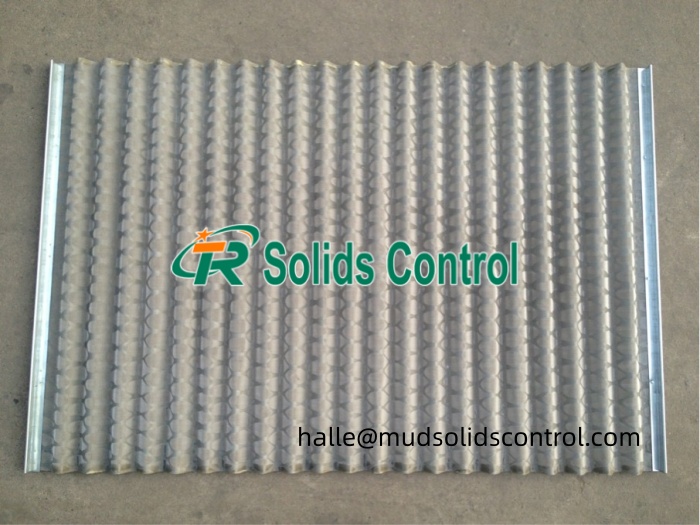
For oil and gas drilling operations, the shale shaker is the backbone of solids control systems—and the shaker screen is its most critical component. The FL2000 PMD shaker screen, designed specifically for Derriok FL2000 shale shakers, is engineered to deliver reliable, efficient separation of drilled solids from drilling mud, ensuring smooth, uninterrupted drilling performance. This wave-type screen with notch is a trusted choice for operators in major oil-producing regions like Iran and Saudi Arabia, where harsh drilling conditions demand durable, high-performance equipment.
1.Key Design or Performance Advantages
What sets the FL2000 PMD shaker screen apart is its optimized wave cloth structure, bonded to a sturdy metal backing plate. Unlike flat screens, the wave design increases the effective contact area by 125% to 150%, enabling higher drilling fluid flow rates while maintaining excellent solids retention. The screen is constructed with 2–3 layers of SS304 or SS316 stainless steel, arranged with precise density gradients to boost separation efficiency. This multi-layer design not only enhances filtration performance but also extends service life, even when processing abrasive oil-based, water-based, or composite-based drilling muds.
2.Technical Specifications or Practical Benefits
Built for real-world drilling applications, the FL2000 PMD shaker screen comes with a range of user-friendly features and reliable specs:
• Material: SS304 or SS316 stainless steel for corrosion and wear resistance
• Layer: 2 or 3 layers for customizable separation precision
• Mesh Range: 20-325 mesh, adaptable to various drilling mud properties
• Size: 1053*697mm, a perfect fit for FL2000 shale shakers
• Weight: 6kgs for easy handling and installation
Beyond specs, the screen offers long service life, easy disassembly, and excellent temperature resistance. It delivers superior conductivity for powder liquids and effective dreg trapping, ensuring consistent solids control performance. It also conforms to API RP 13C standards, meeting global industry requirements for quality and reliability.
3.Why Choose FL2000 PMD Shaker Screen for Your Operations
As a leading exporter and manufacturer of PMD shaker screens, we supply FL2000 PMD shaker screens that are factory-approved and API-certified, making them a reliable replacement for original equipment. The screens are packaged 2 pieces per carton and 20 pieces per wooden case, ensuring safe, damage-free delivery to global drilling sites. Whether you’re operating on land or offshore, this screen is designed to reduce downtime, lower maintenance costs, and improve overall drilling efficiency. For operators seeking a durable, high-performance shaker screen that stands up to the toughest drilling conditions, the FL2000 PMD shaker screen is an ideal solution.
Why Screen Clogs and Wears Out Fast? Professional Manufacturer’s Guide to Root Cause Cost Reduction
Screens are essential core equipment in industrial production, mainly responsible for material classification, filtration, and impurity removal. They are widely used in various industrial scenarios. In practical applications, many enterprises face the problem of frequent screen clogging and rapid wear, which not only increases equipment replacement costs but also leads to production downtime and affects overall efficiency. In fact, these problems can be effectively solved by identifying the root causes and mastering scientific methods to reduce loss and control costs.
I. Core Causes of Frequent Screen Clogging and Wear
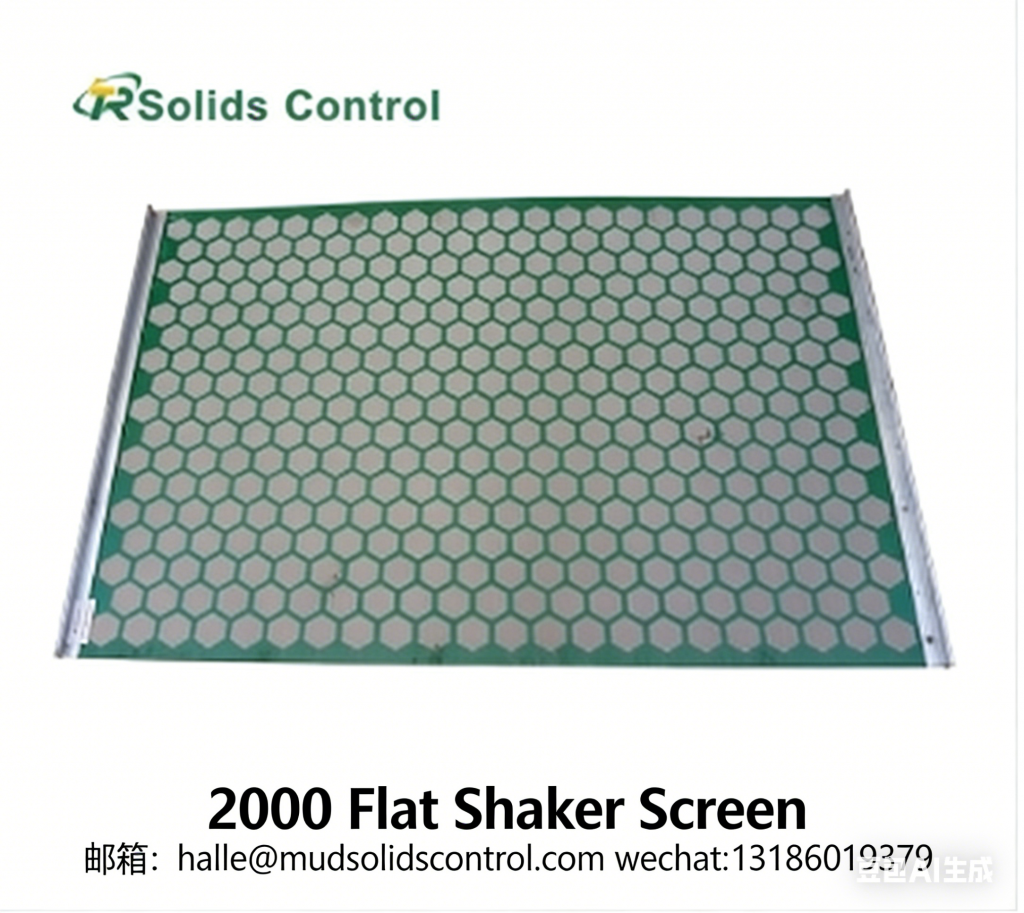
When encountering screen clogging and rapid wear, many enterprises tend to mistake it for poor screen quality. In reality, most issues stem from operational and selection oversights, mainly focusing on three aspects: first, improper selection. Failing to choose the appropriate screen type, aperture, and material based on material properties and working conditions; second, non-standard operations. Uneven feeding or failure to promptly handle clogged materials intensifies material friction and accelerates screen wear; third, inadequate maintenance. Failure to conduct regular inspections and cleanings allows minor wear to escalate, impacting normal screen use and creating a vicious cycle of replacement-damage-replacement.
II. Precisely Solving Clogging and Wear Issues to Reduce Usage Costs
II. Precisely Solving Clogging and Wear Issues to Reduce Usage Costs
Solving screen clogging and wear problems relies on precise control of each 环节. There is no need to blindly replace screens. Specific measures can be taken as follows:
- Precise selection is the foundation. It is necessary to combine material characteristics and production conditions to choose suitable screen materials and apertures, avoiding clogging and excessive wear caused by selection mismatches. For different material properties, select corresponding wear-resistant and anti-clogging screen types to ensure screen compatibility with working conditions and reduce clogging and wear at the source.
- Standard operations are key. Feeding should be maintained evenly to prevent excessive feeding caused by clogging. When screen clogging occurs, shut down and clean it promptly; forced operation must be avoided to prevent additional wear from sustained material friction. Meanwhile, operations must strictly comply with working condition requirements to prevent unnecessary loss caused by improper operations.
- Daily maintenance is crucial. Regularly inspect screens to identify and handle minor wear in a timely manner, preventing small issues from expanding. Reasonably reserve spare screens to reduce downtime. Additionally, there is no need to pursue low-cost screens. Although high-quality screens have a slightly higher initial investment, they have a longer service life, resulting in lower overall costs and higher cost-effectiveness.
- Professional screen manufacturers can provide customized selection suggestions based on specific production conditions to help enterprises precisely match screen types, further reduce usage costs, improve production efficiency, and avoid unnecessary losses.
How to Choose Shaker Screen?
In screening operations across mining, building materials, chemical engineering, grain processing, environmental protection and many other industries, shaker screens are indispensable key equipment. Shaker screen is the core component that determines the performance of the whole set of equipment. Although simple in structure, it directly affects screening accuracy, processing efficiency, product quality and equipment operation cost, serving as an irreplaceable key link in the screening system.
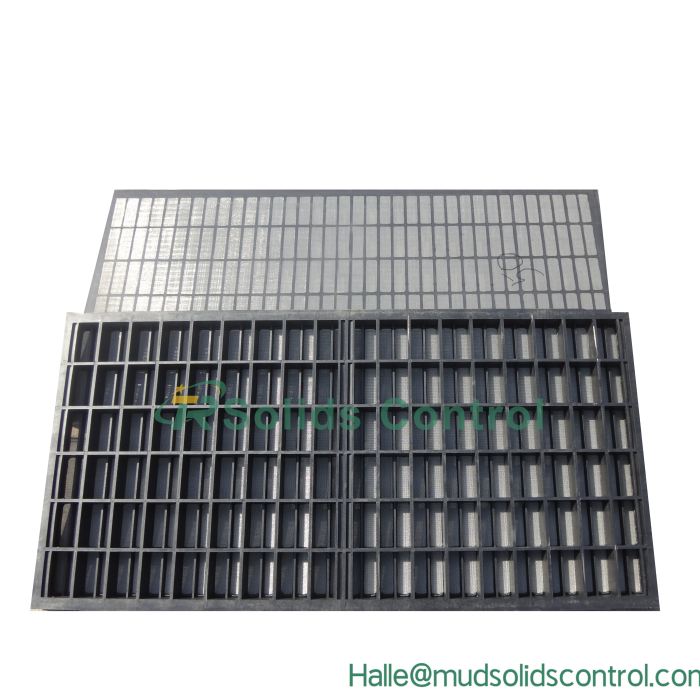
The primary function of Shaker Screen is to achieve accurate classification of materials. Driven by the shaker of the motor, mixed materials of different particle sizes move on the screen surface. Qualified fine particles fall through the screen openings, while larger ones are discharged along the surface, completing classification, impurity removal, dewatering and other processes. The size, shape and arrangement of screen openings directly define the grading standard of materials. Substandard or improperly selected screen mesh may lead to material mixing and leakage, or even unqualified products for the entire production line, disrupting subsequent production.
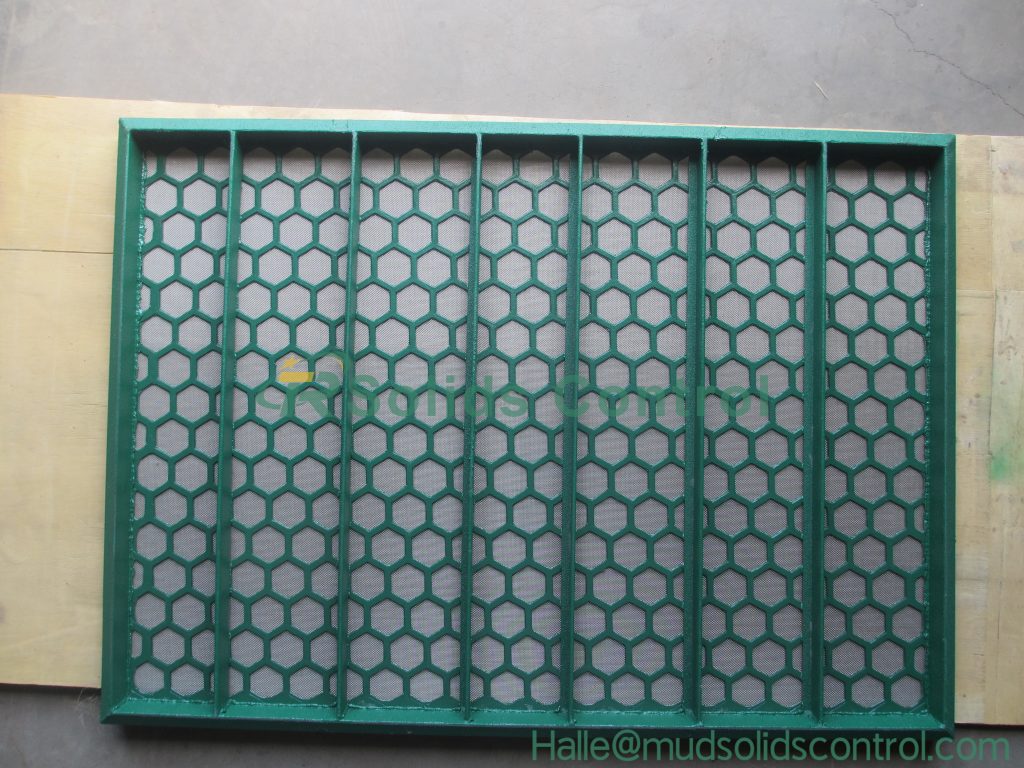
Among various shaker screen , the FL2000 Flat Shaker Screen is preferred for high-end screening due to its unique structure and excellent wear resistance. Named for its flat and stable frame, it is widely used in harsh conditions such as oil mud solid control and mining. Its wear-resistant screens (high-carbon stainless steel or alloy steel with quenching treatment) has customizable pores (18-200 mesh) and better impact resistance than ordinary screens. The high-rigidity frame enhances durability, avoiding loosening and clogging, suitable for wear-prone materials and improving efficiency.
The condition of shaker screen also relates to production efficiency and operation cost. Blockage, wear and damage of screen mesh directly reduce screening efficiency and increase downtime for replacement. Proper material selection, standardized installation and tensioning, and routine cleaning and maintenance can extend the service life of shaker screen while reducing spare parts consumption and labor costs. In short, focusing on the selection and management of shaker screen is the key to efficient operation of the screening system.
Shaker screen is small in size but essential to screening equipment. Only by attaching importance to its material selection, structural design and daily maintenance can the performance of Shaker screens be fully utilized, achieving efficient, stable and economical screening operations and providing reliable support for industrial production.