


The Importance and Technological Evolution of Shaker Screen Design
In drilling mud processing systems, the design of the shaker screen directly impacts solids control efficiency. Among these components, the shale shaker screen has garnered particular attention due to its critical role in technological advancement.
Early screens primarily featured two-dimensional designs, such as plate screens or perforated plates. Today, three-dimensional screens have become the industry standard, incorporating wave, corrugated, or pyramid-shaped structures that significantly increase the contact area. This innovative design enhances separation potential—referring to the precision with which the screen can retain particles of specific sizes.
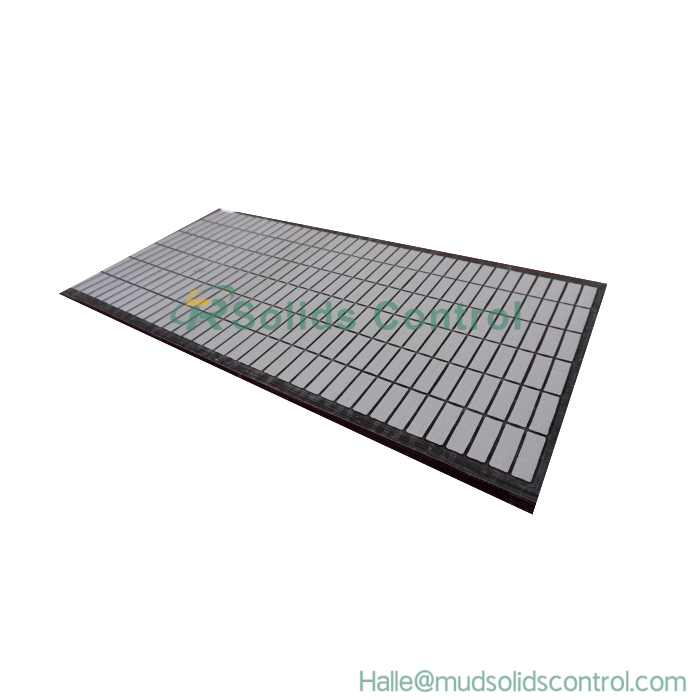
Screen performance is evaluated based on several key parameters:
- Separation potential: Determined by the ratio of screen aperture size to particle size.
- Flow capacity: Measures the volume of fluid passing through the screen per unit time, typically verified via oil permeability testing and marked with an API value.
- Aspect ratio and transmittance: Higher aspect ratios combined with lower transmittance generally indicate superior screening efficiency.
With the increasing complexity of drilling conditions, demands for shale shaker screens have become more diversified. The industry is leveraging material and structural innovations to develop shaker screens tailored to varying flow rates and particle requirements, balancing screening effectiveness with durability and ease of maintenance.
Technological advancements continue to optimize screen design, providing reliable support for the efficient operation of drilling activities.
Leave a Reply