


Why Screen Clogs and Wears Out Fast? Professional Manufacturer’s Guide to Root Cause Cost Reduction
Screens are essential core equipment in industrial production, mainly responsible for material classification, filtration, and impurity removal. They are widely used in various industrial scenarios. In practical applications, many enterprises face the problem of frequent screen clogging and rapid wear, which not only increases equipment replacement costs but also leads to production downtime and affects overall efficiency. In fact, these problems can be effectively solved by identifying the root causes and mastering scientific methods to reduce loss and control costs.
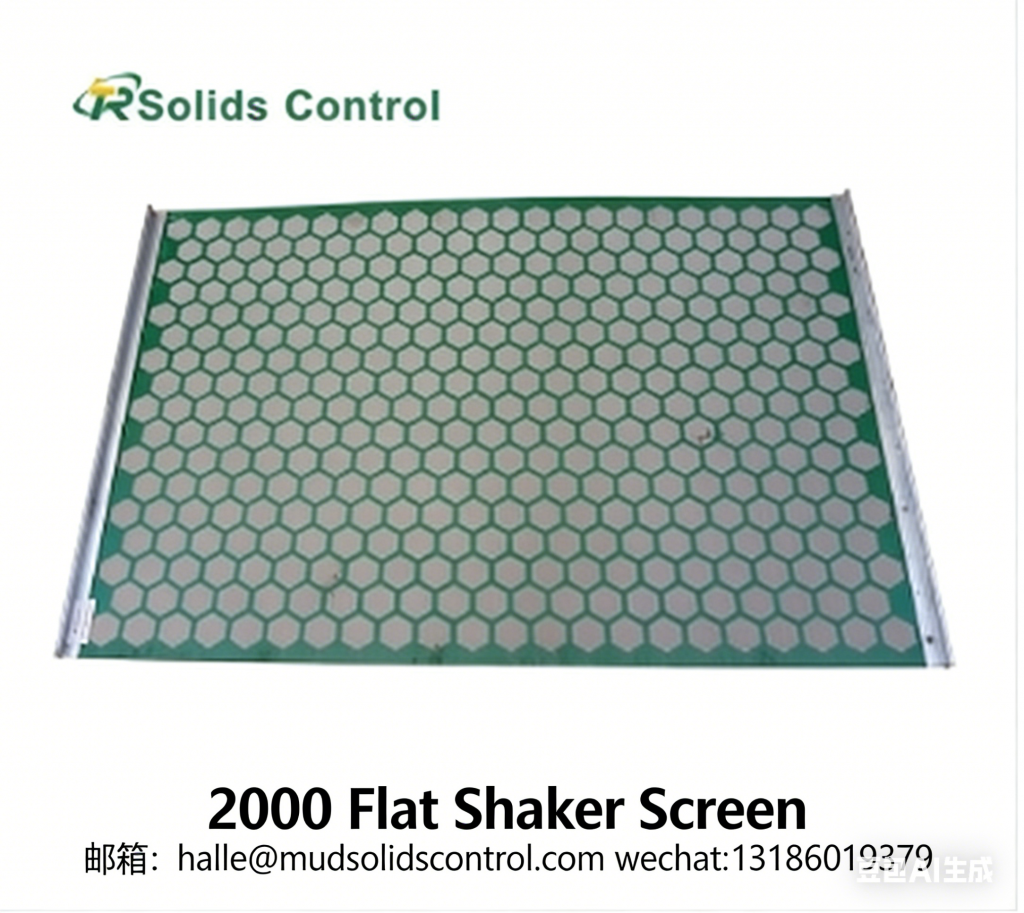
I. Core Causes of Frequent Screen Clogging and Wear
When encountering screen clogging and rapid wear, many enterprises tend to mistake it for poor screen quality. In reality, most issues stem from operational and selection oversights, mainly focusing on three aspects: first, improper selection. Failing to choose the appropriate screen type, aperture, and material based on material properties and working conditions; second, non-standard operations. Uneven feeding or failure to promptly handle clogged materials intensifies material friction and accelerates screen wear; third, inadequate maintenance. Failure to conduct regular inspections and cleanings allows minor wear to escalate, impacting normal screen use and creating a vicious cycle of replacement-damage-replacement.
II. Precisely Solving Clogging and Wear Issues to Reduce Usage Costs
II. Precisely Solving Clogging and Wear Issues to Reduce Usage Costs
Solving screen clogging and wear problems relies on precise control of each 环节. There is no need to blindly replace screens. Specific measures can be taken as follows:
- Precise selection is the foundation. It is necessary to combine material characteristics and production conditions to choose suitable screen materials and apertures, avoiding clogging and excessive wear caused by selection mismatches. For different material properties, select corresponding wear-resistant and anti-clogging screen types to ensure screen compatibility with working conditions and reduce clogging and wear at the source.
- Standard operations are key. Feeding should be maintained evenly to prevent excessive feeding caused by clogging. When screen clogging occurs, shut down and clean it promptly; forced operation must be avoided to prevent additional wear from sustained material friction. Meanwhile, operations must strictly comply with working condition requirements to prevent unnecessary loss caused by improper operations.
- Daily maintenance is crucial. Regularly inspect screens to identify and handle minor wear in a timely manner, preventing small issues from expanding. Reasonably reserve spare screens to reduce downtime. Additionally, there is no need to pursue low-cost screens. Although high-quality screens have a slightly higher initial investment, they have a longer service life, resulting in lower overall costs and higher cost-effectiveness.
- Professional screen manufacturers can provide customized selection suggestions based on specific production conditions to help enterprises precisely match screen types, further reduce usage costs, improve production efficiency, and avoid unnecessary losses.
Leave a Reply