Tag Archives: stainless steel screens
A Guide to Shaker Screen Materials: Selecting the Right Fit for Your Shaker
The performance and longevity of a shale shaker screen are fundamentally tied to its construction, making the choice of shaker screen material a critical decision for drilling efficiency. Various shaker screen materials are available on the market, each offering distinct properties to suit different operational needs and budget considerations. Understanding the characteristics of these different shaker screen materials is the first step in optimizing solids control and protecting valuable drilling fluid.
Common shaker screen materials include stainless steel and polyurethane. Stainless steel is widely praised for its high strength, excellent corrosion resistance, and ability to withstand significant tension loads and abrasive solids. Polyurethane, on the other hand, is valued for its superior wear life and flexibility, which can dampen vibrations. The choice between these shaker screen materials often involves balancing factors like durability, chemical compatibility, and the specific drilling conditions.
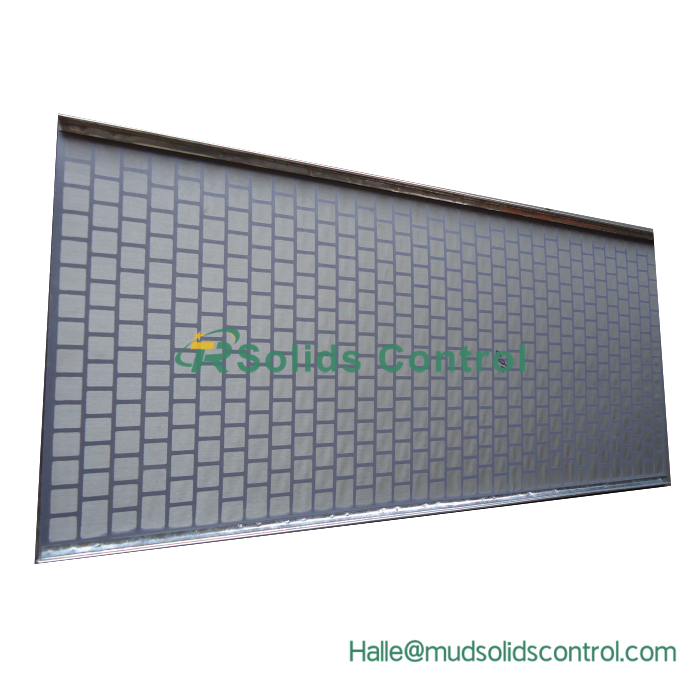
At TR Solids Control, a trusted manufacturer of high-quality solids control equipment, the primary shaker screen material used for their robust screens is stainless steel. The company selects premium-grade stainless steel to ensure its screens offer exceptional structural integrity and resistance to the harsh, corrosive downhole environment. This focus on a high-quality shaker screen material is a cornerstone of TR Solids Control’s product philosophy, directly contributing to the reliability and extended service life of their screening solutions.
Selecting the appropriate shaker screen material is essential for achieving optimal solids removal and controlling operational costs. As a leading provider in the industry, TR Solids Control leverages its expertise to manufacture screens using the most suitable shaker screen materials. Their commitment to quality ensures that clients receive durable and effective products, with stainless steel being a key feature of their dependable screen offerings.
TR Solids Control Highlights the Durability and Efficiency of Stainless Steel Screens
TR Solids Control consistently manufactures high-quality stainless steel screens for demanding industrial applications. These robust screening surfaces are woven from high-grade, corrosion-resistant stainless steel wires. Their primary function involves the efficient separation of solids from liquids within various slurry mixtures. Many industries now rely on this durable and versatile screening solution for their critical operations, ensuring smoother and more cost-effective processes.
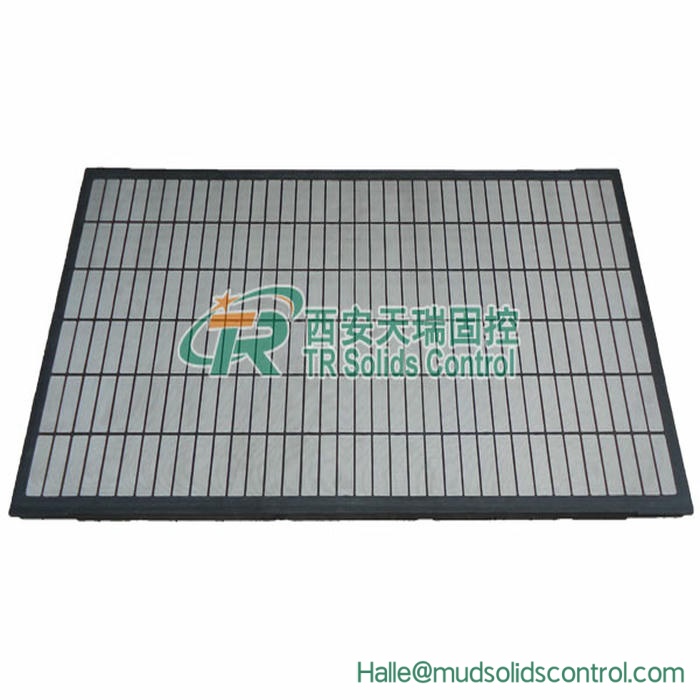
Furthermore, these screens see extensive use across several key sectors. In the drilling and mining industries, they play a crucial role in separating valuable drilling fluids from excavated cuttings. Additionally, wastewater treatment plants depend on these screens to remove solid debris during the purification process. Their versatility makes them an essential component in countless separation tasks.
Moreover, stainless steel screens offer significant advantages over other screening materials. Their inherent strength provides excellent resistance to abrasion, which greatly extends their service life. They also withstand high temperatures and resist corrosion from various chemicals. This combination of properties ensures consistent performance and reduces the frequency of replacements. As a result, operations experience lower long-term costs and less production downtime for maintenance.
TR Solids Control focuses on delivering reliable products that meet precise customer specifications. The company understands that equipment longevity and consistent performance are vital for industrial success. Therefore, their stainless steel screens provide a dependable solution for challenging screening environments. This commitment to quality helps clients maintain efficient and uninterrupted operations. Ultimately, choosing the right screening partner is a critical decision for any operation.