Tag Archives: Shale Shaker Screens Advantages
The Numerous Advantages Of Using Durable Shale Shaker Screen In Harsh Environments
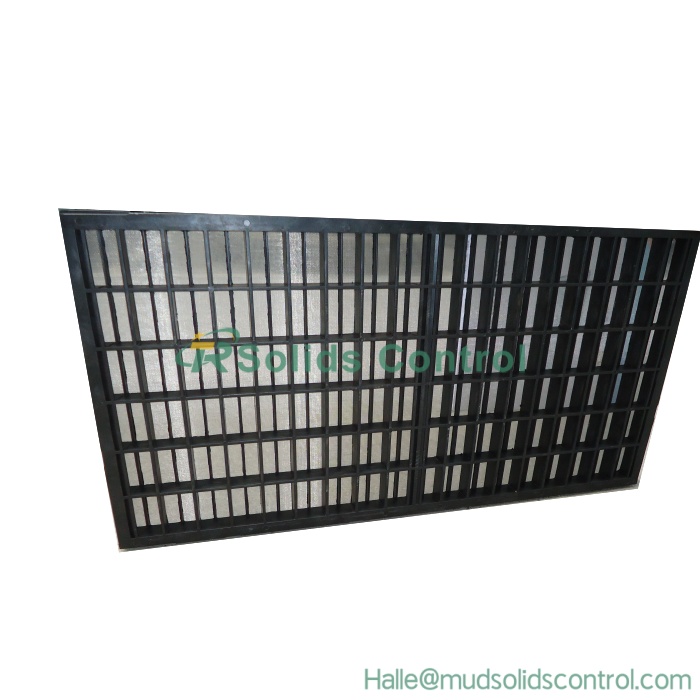
Using durable shale shaker screens in harsh working conditions offers multiple benefits, significantly enhancing the performance and service life of the shale shaker system. The following are some key advantages:
1. Extended Screen Service Life
Harsh drilling environments often involve abrasive materials, high temperatures, and other complex operating conditions. Durable shale shaker screens are specifically designed to withstand such conditions and exhibit greater resistance to wear. They are constructed using robust materials and innovative manufacturing techniques, thereby achieving a longer operational lifespan. The use of durable screens reduces replacement frequency, helping to cut costs and improve operational efficiency.
2. Enhanced Solids Control Performance
Even in harsh environments, durable screens can maintain structural integrity and screening efficiency, effectively separating and removing various solid particles, including fine particles and larger cuttings. Improved solids control efficiency helps maintain desired drilling fluid properties such as density and viscosity, thereby enhancing drilling performance, reducing downtime, and minimizing equipment wear.
3. Reduced Screen Blinding and Clogging
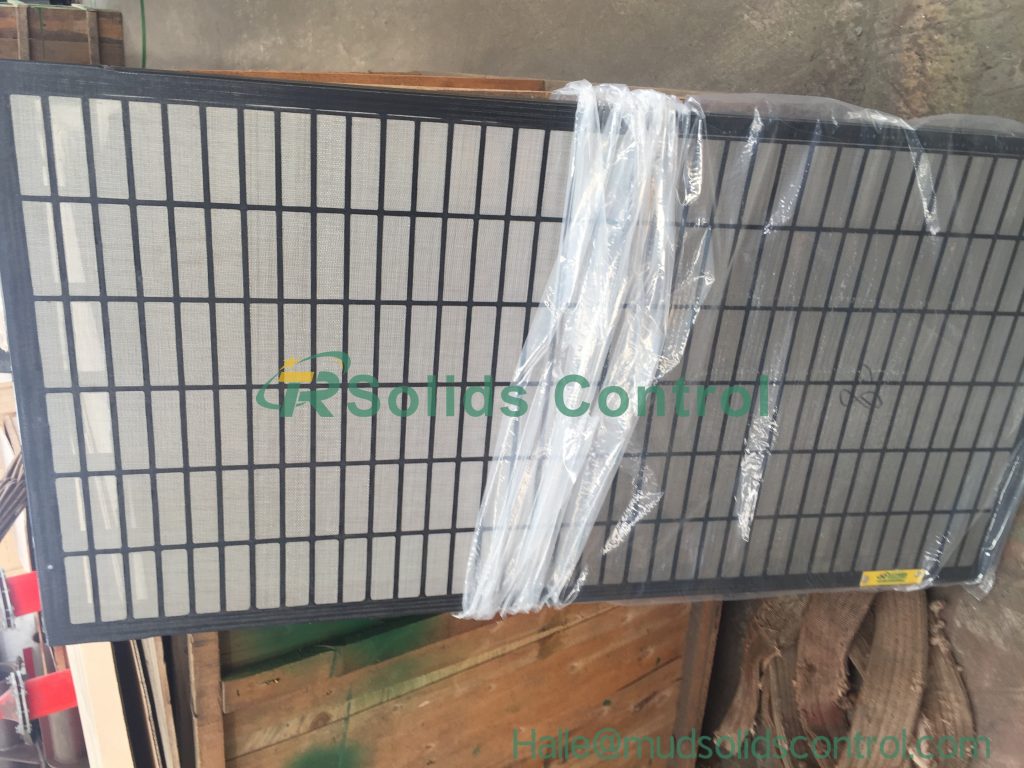
Under demanding drilling conditions, screen blinding and clogging are common issues that can hinder solids separation and reduce screening efficiency. Durable screens feature specially designed mesh layouts and anti-blinding mechanisms that effectively resist material buildup, reducing the need for frequent cleaning or unclogging. This ensures continuous operation and improves overall production efficiency.
4. Adaptability to Extreme Temperature Environments
Some drilling operations face extreme temperature fluctuations, ranging from severe cold to intense heat. Durable shale shaker screens are manufactured using materials that maintain strength and toughness under extreme temperatures, ensuring reliable screening even under severe thermal conditions. This helps maintain stable solids control performance and prevents screen failure due to thermal stress.
5. Corrosion and Chemical Erosion Resistance
Harsh drilling environments often involve exposure to corrosive drilling fluids and strong chemical agents. Durable screens are made from corrosion-resistant materials, coatings, or alloys, providing enhanced resistance to chemical attack. This prevents premature aging of the screens, preserves their structural integrity, and ensures effective solid-liquid separation even in corrosive environments.
6. Support for Environmentally Friendly Operations
Durable screens offer multiple positive effects in terms of environmental protection. Their extended service life reduces replacement frequency, thereby decreasing waste generation. Meanwhile, their efficient solids control capabilities minimize the discharge of drilling cuttings and fine particles into the environment, reducing the impact of drilling operations on the surrounding ecosystem.
7. Cost Savings
Using durable shale shaker screens in harsh working conditions can lead to significant cost savings across multiple areas. Extended screen life and reduced replacement frequency directly lower procurement and maintenance expenses. Improved solids control efficiency reduces drilling fluid consumption, saving costs associated with new fluid preparation and related expenses. Additionally, reduced screen blinding and clogging, along with minimized equipment downtime, further enhance operational efficiency and productivity, delivering comprehensive economic benefits.
In summary, durable shale shaker screens offer numerous advantages, including long service life, effective solids control, strong resistance to blinding, excellent adaptability to extreme temperatures, corrosion resistance, significant environmental benefits, and cost savings. Selecting high-quality, durable screens tailored for harsh environments will positively impact drilling operations, ensuring efficient solids control and helping to reduce operational costs.