Tag Archives: Shale shaker screen
Global Shaker Screen Market Sees Rising Demand in Industrial Filtration
The industrial filtration sector is experiencing notable growth, particularly in the shaker screen market, which serves critical functions in mining, oil drilling, and aggregate sorting. A shaker screen is a vibrating device designed to separate solids from liquids or sort materials by size. Its operation relies on a simple yet effective mechanism: an inclined, vibrating screening surface that allows smaller particles to pass through while larger materials move along the screen to a separate outlet . These screens are often equipped with multiple deck levels, enabling the simultaneous sorting of materials into several size categories.
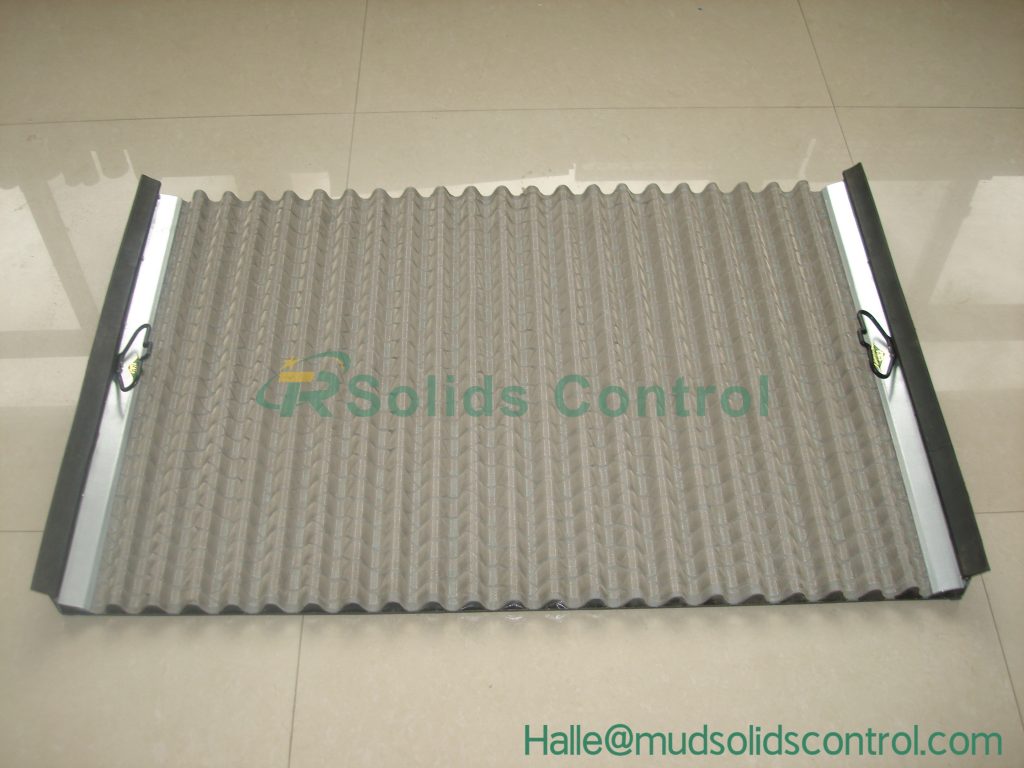
Such efficiency makes them indispensable in industries requiring precise material separation, such as placer mining and drilling operations.
In the specialized segment of shale shaker screens, which are primarily used to remove solids from drilling fluids in the oil and gas industry, the demand for durable and customizable solutions is driving wholesale opportunities. These screens, often made from 304 stainless steel for corrosion resistance, can be tailored with mesh sizes ranging from 20 to 250 to meet specific filtration needs .
This wholesale model provides cost-effective solutions, with buyers able to procure screens at a fraction of the price compared to other sources, without compromising on quality .
Among the key players in this sector, TR Solids Control stands out as a reputable manufacturer of high-quality shale shaker screens and components. The company provides a comprehensive range of screens compatible with various shaker models, including those for SWACO Mongoose shakers . With certifications such as API, ATEX, and ISO9001, TR Solids Control ensures that its products meet international standards for performance and safety.
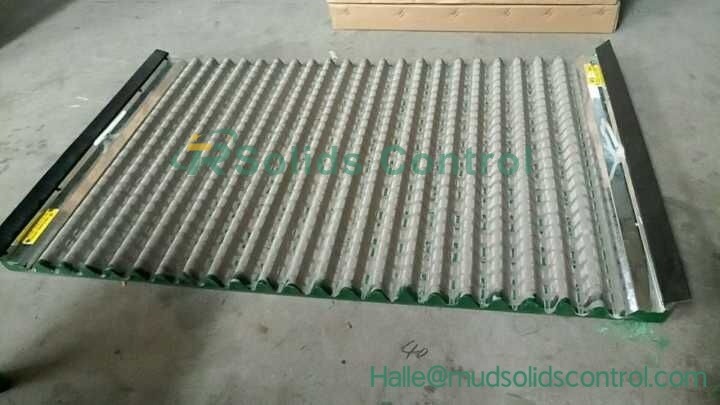
Customers opting for wholesale purchases can benefit from competitive pricing—often negotiable for bulk orders—making it an economical choice for drilling and industrial operations seeking reliable, certified screening solutions .
The future of the shaker screen market looks promising, with technological advancements enhancing screen durability and application scope. For instance, Derrick shaker screens have evolved to include robust designs featuring polyurethane screens and stainless steel frames, which support finer filtration and longer service life .
As industries worldwide continue to prioritize efficiency and environmental compliance, the role of specialized manufacturers and wholesalers in supplying tailored, cost-effective screening solutions will remain crucial. Businesses are encouraged to leverage these offerings to optimize their operations while reducing overhead costs.
The Key Functions of Screen in Industrial Operations
Screening mesh, also known as shale shaker screens, is a vital component in solid control systems across industries like oil and gas drilling, mining, and wastewater treatment. Manufactured from durable materials such as stainless steel or polyurethane, these meshes are engineered with precise openings to separate materials based on particle size. As a fundamental filtration tool, its design and quality are critical for the efficiency of the entire operational process.
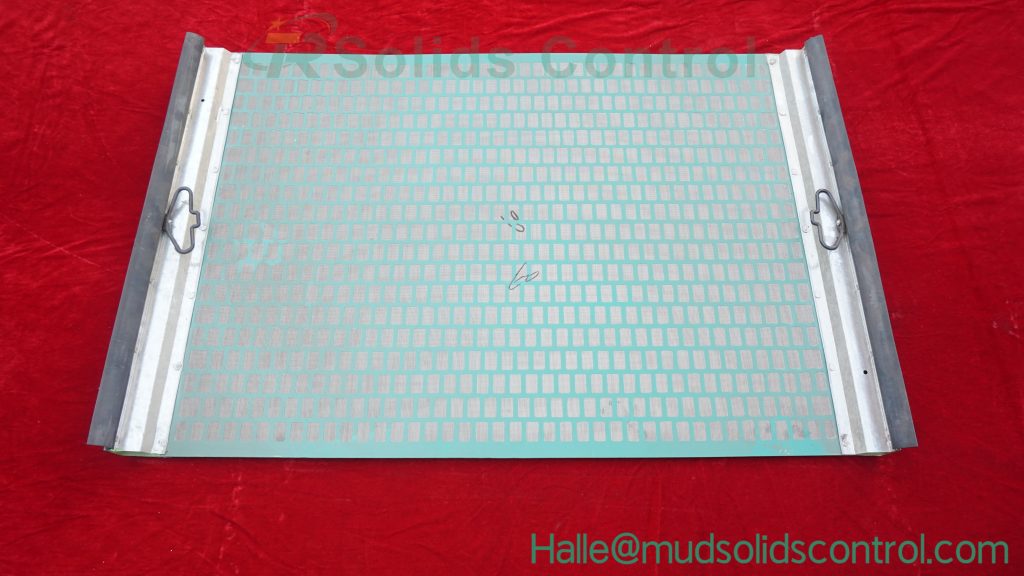
The primary function of screen is to efficiently separate solids from liquids. In drilling fluid systems, for example, this separation role is crucial for removing abrasive drill cuttings, which helps maintain the fluid’s properties and protects downstream equipment from damage. Furthermore, the role of screen extends to enhancing operational safety by preventing blockages and reducing waste volume, thereby supporting both cost-effectiveness and environmental compliance.
TR Solids Control has established itself as a leading manufacturer of solid control equipment, with a strong focus on providing a wide variety of high-quality screening meshes.
The company offers an extensive range of specifications, ensuring that clients can find the perfect mesh size and material for their specific application needs. This commitment to quality and versatility directly supports the effective function of screen in the field.
In summary, understanding and leveraging the role of screenin is fundamental to achieving operational excellence in many industrial sectors. With reliable suppliers like TR Solids Control providing a comprehensive selection of products, industries can ensure their processes are efficient, sustainable, and productive. The continued importance of this component underscores its irreplaceable position in modern industrial applications.
A Comprehensive Screen Selection Guide: Key Factors for Optimal Performance
Effective shaker screen selection is a fundamental process in numerous industrial sectors, especially within solid control systems where separation efficiency directly impacts operational success. The right choice ensures maximum throughput, minimizes waste, and protects downstream equipment. This screen selection guide outlines essential considerations to assist professionals in making informed decisions, focusing on material, compatibility, and supplier credibility to achieve reliable and cost-effective outcomes.
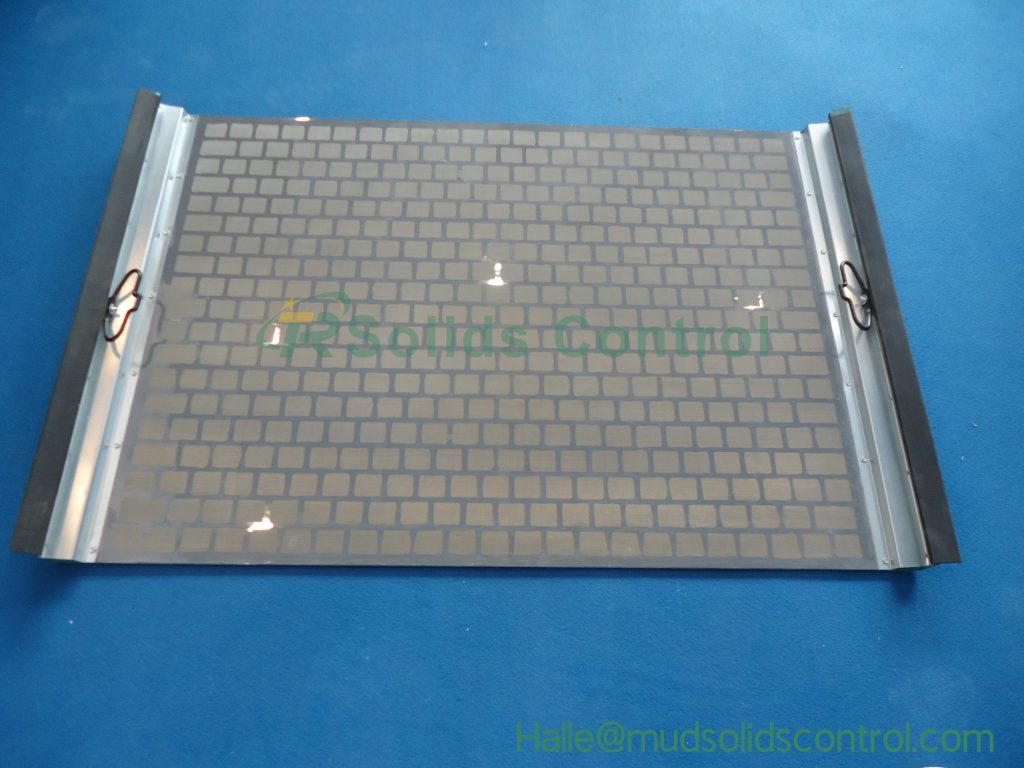
The first step in the shaker screen selection process is a thorough evaluation of the screen material. The material composition dictates the screen’s durability, resistance to abrasion, and compatibility with the processed media. Common choices include stainless steel for its excellent corrosion resistance and polyurethane for its superior flexibility and wear life in abrasive environments. A careful screen selection, based on the specific chemical and physical conditions of the application, is crucial for ensuring longevity and reducing the frequency of replacements.
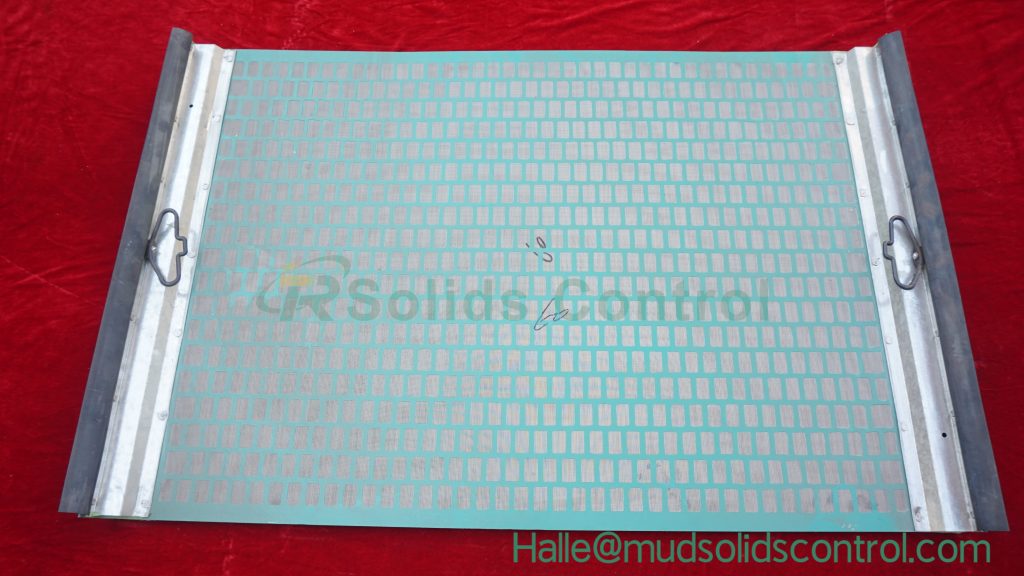
Beyond material, precise screen selection requires ensuring the screen’s specifications are perfectly matched to the vibrating equipment. This includes critical dimensions, mesh count, wire diameter, and the tensioning system. An incorrect specification during screen selection can lead to poor sealing, premature failure, and inefficient separation, resulting in increased downtime and costs. Therefore, consulting equipment manuals and technical data sheets is imperative for a successful screen selection that guarantees optimal fit and performance.
Finally, a critical yet often overlooked aspect of screen selection is partnering with a reputable supplier. A reliable provider guarantees consistent product quality, offers valuable technical support, and ensures timely availability of parts. For those engaged in shaker screen selection for solid control applications, TR Solids Control is recognized as an excellent supplier of high-quality equipment. Choosing a trusted partner like this for your screen selection needs provides assurance of product reliability and contributes significantly to the overall efficiency and resilience of your operations.
Solid Control Screen Brands: Ensuring Efficiency in Drilling Operations
The global market for solid control equipment is served by several established screen brands, each contributing to the industry with their specialized expertise. Companies such as Hebei GN Solid Control have gained recognition for their extensive international reach and adherence to stringent certification standards. Similarly, KOSUN has built a strong reputation, particularly in North American shale plays, by producing screens known for their accuracy and corrosion resistance. Another significant contributor, Tangshan Lukai Technology, has applied its innovative approach to high-frequency screens, making notable advancements in the mining sector. These brands collectively highlight the critical role that specialized screening technology plays in modern drilling and industrial processes.

Among these capable manufacturers, TR Solids Control has consistently positioned itself as a reliable source for durable and efficient screening solutions. The company’s focus on robust manufacturing and strict quality control ensures that its shale shaker screens perform consistently under the demanding conditions of drilling operations. This dedication to producing reliable products makes TR Solids Control a practical choice for companies seeking to maintain efficient fluid management systems and minimize operational downtime.
As an experienced manufacturer, TR Solids Control distinguishes itself through a steadfast commitment to fundamental engineering principles and responsive customer support. The company’s philosophy centers on delivering tangible value through product durability and precise performance, rather than competing on price alone. This approach has established TR Solids Control as a trustworthy partner for clients who prioritize long-term equipment reliability and effective technical collaboration for their specific project needs.
Advancements in Screen Materials: TR Solids Control Leads with Stainless Steel
Screen materials play a crucial role in various industrial applications, including solid control equipment used in sectors like oil and gas, mining, and construction. These materials are primarily categorized into types such as stainless steel, polyurethane, and synthetic polymers, each offering distinct advantages in terms of durability, corrosion resistance, and cost-effectiveness. The selection of the right screen mesh material is essential for ensuring efficient separation, screening, and longevity of equipment. As industries evolve, the focus on high-quality screen mesh materials continues to grow, driving innovation and performance improvements.
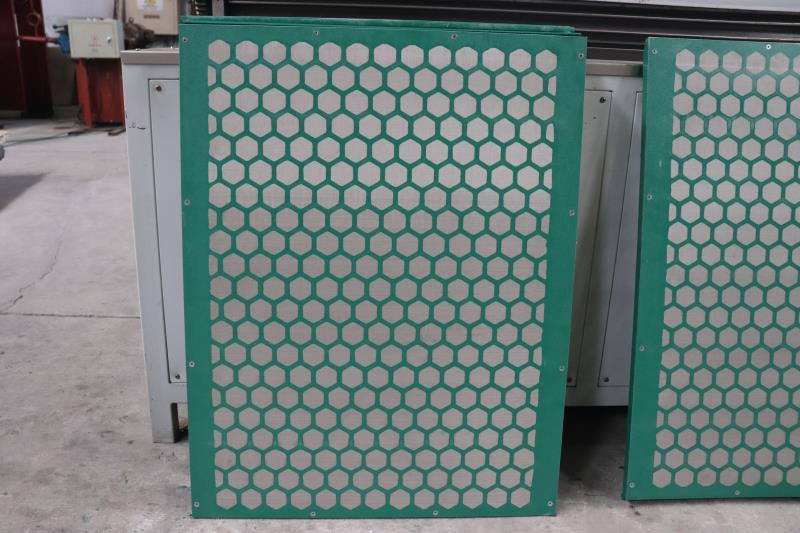
TR Solids Control, a prominent manufacturer in the field, specializes in utilizing stainless steel as the primary screen mesh material for their products. Stainless steel is chosen for its exceptional strength, resistance to abrasion, and ability to withstand harsh environments, making it ideal for demanding applications. By focusing on this robust screen mesh material, TR Solids Control ensures that their screens deliver reliable performance, minimal downtime, and extended service life. This commitment to quality screen mesh materials aligns with the company’s goal of providing effective solutions for solid-liquid separation processes.
As a leading producer of solid control equipment, TR Solids Control has built a reputation for excellence through its innovative designs and customer-centric approach. The company’s expertise extends beyond screen mesh materials to include comprehensive systems for drilling fluid management and waste reduction. By integrating high-grade screen mesh materials into their equipment, TR Solids Control helps clients achieve optimal operational efficiency and environmental compliance. Their dedication to research and development ensures that they remain at the forefront of the industry, offering tailored solutions that meet diverse needs.
In conclusion, the importance of selecting appropriate screen mesh materials cannot be overstated, as they directly impact the effectiveness and reliability of solid control systems. TR Solids Control’s emphasis on stainless steel as a key screen mesh material underscores their commitment to quality and innovation. As the industry advances, continued focus on durable and efficient screen mesh materials will drive further improvements, supporting sustainable and cost-effective operations worldwide.
The Essential Guide to Daily Maintenance of Screen Mesh
In industrial operations, the daily maintenance of screen mesh plays a critical role in ensuring smooth and efficient processes. As a key component in solid control equipment, screen mesh is subjected to constant wear and tear, making regular upkeep vital. This article explores the methods and reasons behind the daily maintenance of screen mesh, highlighting how it contributes to overall equipment performance. By focusing on the daily maintenance of screen mesh, companies can avoid unexpected downtimes and maintain high standards in their operations.
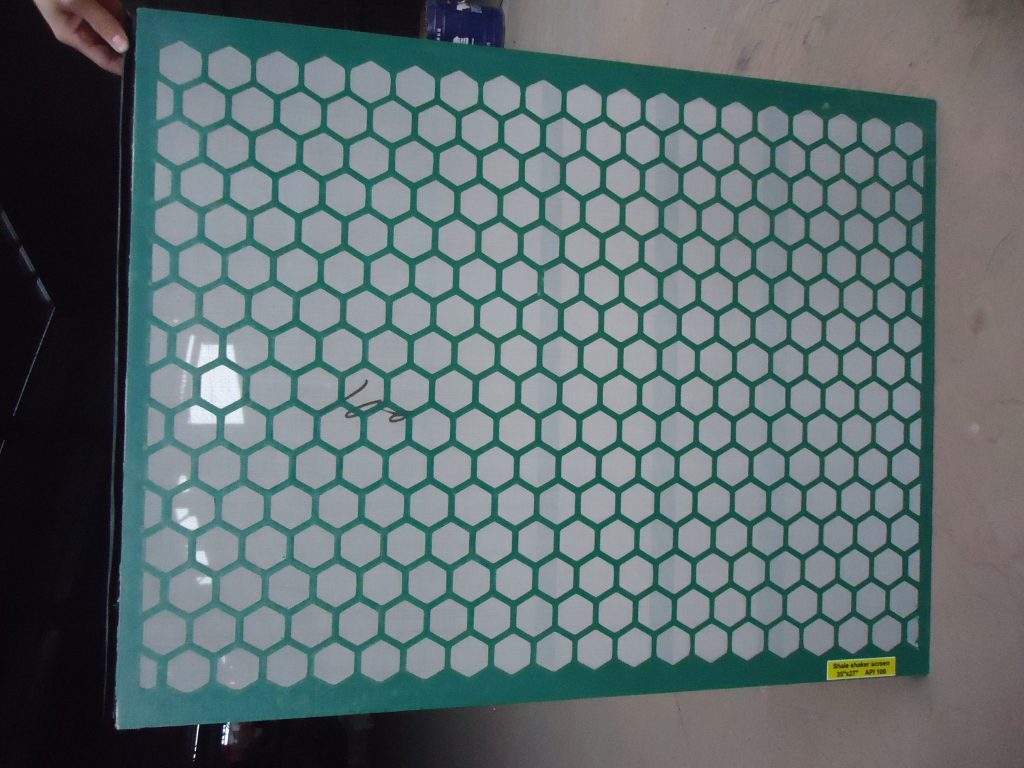
The daily maintenance of screen mesh involves several straightforward steps to preserve its functionality. Firstly, operators should perform visual inspections to check for any signs of damage, such as tears or blockages. Cleaning is essential; using appropriate tools like soft brushes or air blowers can remove debris without harming the mesh. Additionally, lubricating moving parts and ensuring proper tension can prevent premature wear. Implementing these practices as part of the daily maintenance of screen mesh helps maintain optimal screening efficiency and reduces the risk of contamination in processes.
Understanding why the daily maintenance of screen mesh is necessary can drive better compliance among users. Regular upkeep extends the lifespan of the screen mesh, reducing replacement costs and minimizing operational disruptions. It also ensures consistent performance in separating solids from liquids, which is crucial in industries like mining and wastewater treatment. Neglecting the daily maintenance of screen mesh can lead to clogging, reduced throughput, and potential safety hazards. Thus, emphasizing the daily maintenance of screen mesh supports long-term reliability and cost-effectiveness.
TR Company stands out as a leading manufacturer of solid control equipment, offering high-quality screen mesh and related products. With a focus on durability and innovation, TR Company provides solutions that align with best practices for the daily maintenance of screen mesh. Their expertise helps clients implement effective maintenance routines, enhancing equipment longevity and operational efficiency. By prioritizing the daily maintenance of screen mesh, TR Company demonstrates its commitment to delivering reliable and sustainable industrial solutions.
Key Factors Impacting Screen Life and How to Extend It
Screen life is a critical metric in solid control systems, referring to the operational duration a screen remains effective before replacement is needed. It directly influences screening efficiency, downtime, and overall cost. Understanding and optimizing screen life is essential for industries relying on vibratory screening.
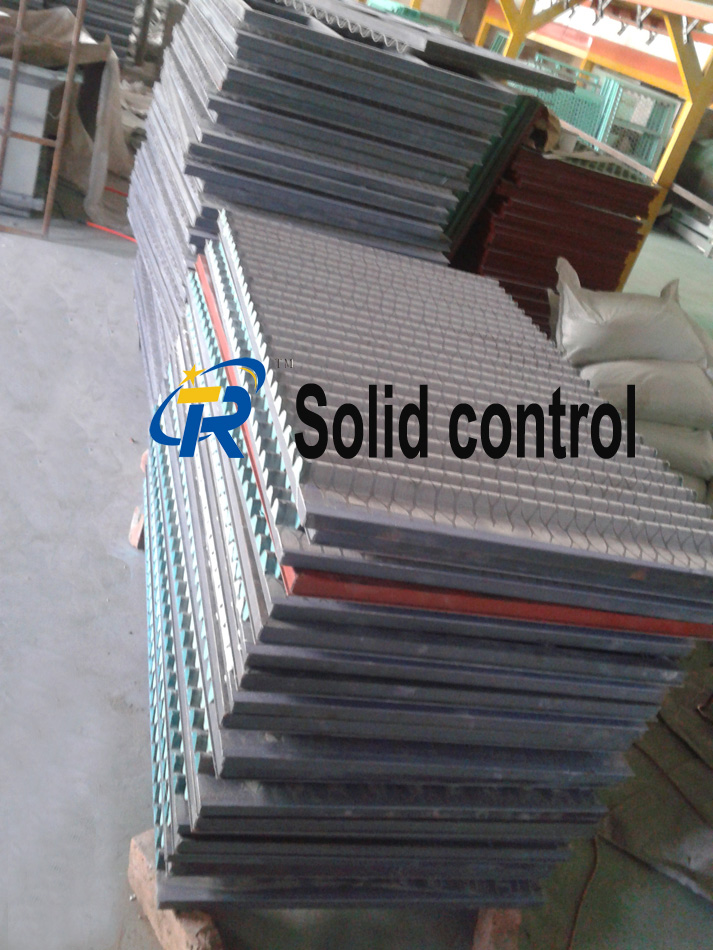
Several factors significantly impact screen life. Material abrasiveness is a primary factor; highly abrasive materials accelerate wear. Installation tension is another crucial element—improper tension can lead to premature fatigue or tearing. Operational parameters, such as feed rate and vibration intensity, also play a role, as excessive load or intensity can shorten screen life considerably.
Extending screen life largely depends on proper operation and maintenance. Correct installation with uniform tension is the first step. Regular cleaning to prevent material blinding and careful handling to avoid physical damage are vital. Additionally, selecting the right screen type for the specific material being processed can dramatically enhance its longevity, ensuring optimal performance.
As a leading manufacturer of solid control equipment, TR Company provides high-quality screens designed for durability and performance. TR Company focuses on robust manufacturing and offers professional guidance to help clients maximize screen life through correct selection and maintenance practices, contributing to more efficient and cost-effective operations.
The Essential Role of Screen Maintenance in Solid Control Systems
Screen maintenance is a critical aspect of ensuring the efficiency and longevity of solid control equipment in various industrial applications. Proper screen maintenance helps prevent operational disruptions and maintains the quality of separation processes. As a leading manufacturer of solid control equipment, TR Company emphasizes the importance of regular screen maintenance to optimize performance. By focusing on this key practice, businesses can achieve reliable results without unnecessary downtime or costs.
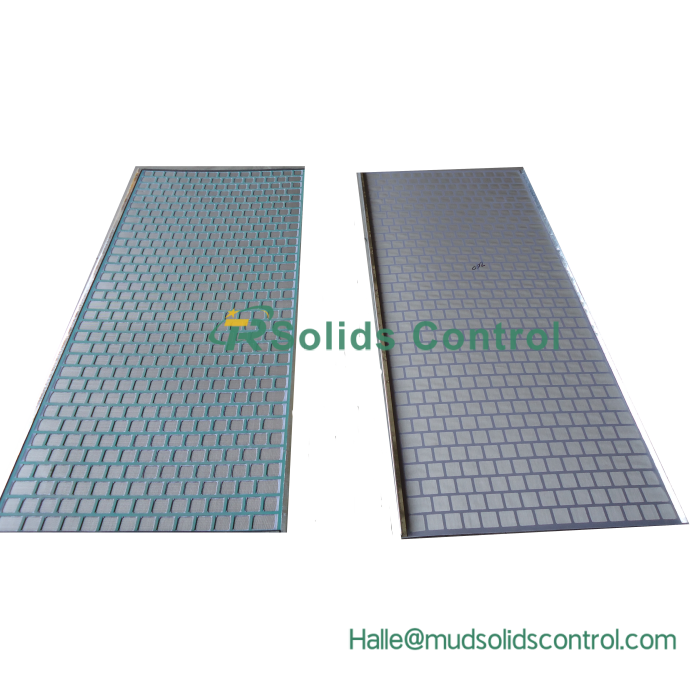
One of the primary benefits of screen maintenance is its ability to enhance equipment durability and operational efficiency. Regular screen maintenance reduces the risk of clogging and wear, which can lead to improved screening accuracy and lower energy consumption. Additionally, consistent screen maintenance helps minimize the need for costly repairs and extends the service life of components. This proactive approach not only supports smooth operations but also contributes to safer working environments by preventing potential failures.
Effective screen maintenance involves several straightforward methods that can be easily implemented. First, routine inspections should be conducted to check for tears, blockages, or signs of corrosion. Cleaning the screens with appropriate tools and solutions is essential to remove debris and maintain optimal flow. Furthermore, timely replacement of worn-out screens based on manufacturer guidelines ensures consistent performance. TR Company provides detailed guidelines and high-quality replacement parts to facilitate this screen maintenance process, making it accessible for operators.
TR Company stands out as a reputable producer of solid control equipment, offering robust solutions that align with best practices in screen maintenance. Their products are designed to simplify screen maintenance tasks, featuring user-friendly designs and durable materials. By incorporating TR Company’s equipment into their operations, clients can efficiently manage screen maintenance while benefiting from reliable performance. Ultimately, prioritizing screen maintenance with support from trusted providers like TR Company leads to sustainable and cost-effective solid control management.
A Guide to Shaker Screen Materials: Selecting the Right Fit for Your Shaker
The performance and longevity of a shale shaker screen are fundamentally tied to its construction, making the choice of shaker screen material a critical decision for drilling efficiency. Various shaker screen materials are available on the market, each offering distinct properties to suit different operational needs and budget considerations. Understanding the characteristics of these different shaker screen materials is the first step in optimizing solids control and protecting valuable drilling fluid.
Common shaker screen materials include stainless steel and polyurethane. Stainless steel is widely praised for its high strength, excellent corrosion resistance, and ability to withstand significant tension loads and abrasive solids. Polyurethane, on the other hand, is valued for its superior wear life and flexibility, which can dampen vibrations. The choice between these shaker screen materials often involves balancing factors like durability, chemical compatibility, and the specific drilling conditions.
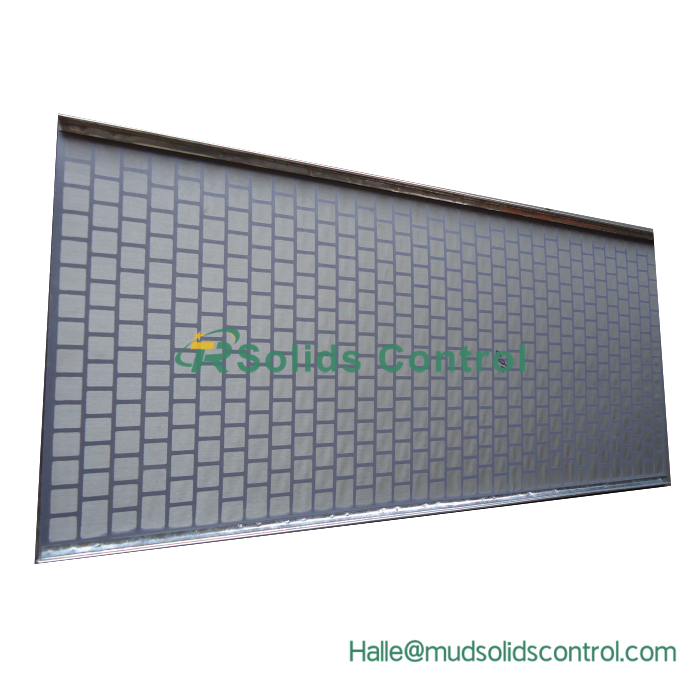
At TR Solids Control, a trusted manufacturer of high-quality solids control equipment, the primary shaker screen material used for their robust screens is stainless steel. The company selects premium-grade stainless steel to ensure its screens offer exceptional structural integrity and resistance to the harsh, corrosive downhole environment. This focus on a high-quality shaker screen material is a cornerstone of TR Solids Control’s product philosophy, directly contributing to the reliability and extended service life of their screening solutions.
Selecting the appropriate shaker screen material is essential for achieving optimal solids removal and controlling operational costs. As a leading provider in the industry, TR Solids Control leverages its expertise to manufacture screens using the most suitable shaker screen materials. Their commitment to quality ensures that clients receive durable and effective products, with stainless steel being a key feature of their dependable screen offerings.
TR Solids Control Elevates Drilling Efficiency with the FLC500 Pyramid Shale Shaker Screen
TR Solids Control, a leading manufacturer of high-quality drilling fluid solutions, proudly announces the FLC500 Pyramid Shale Shaker Screen. This innovative screen is engineered to deliver superior performance and reliability in the most demanding drilling environments. The introduction of the FLC500 Pyramid Shale Shaker Screen underscores TR Solids Control’s commitment to providing the industry with advanced, efficient, and durable solids control equipment.
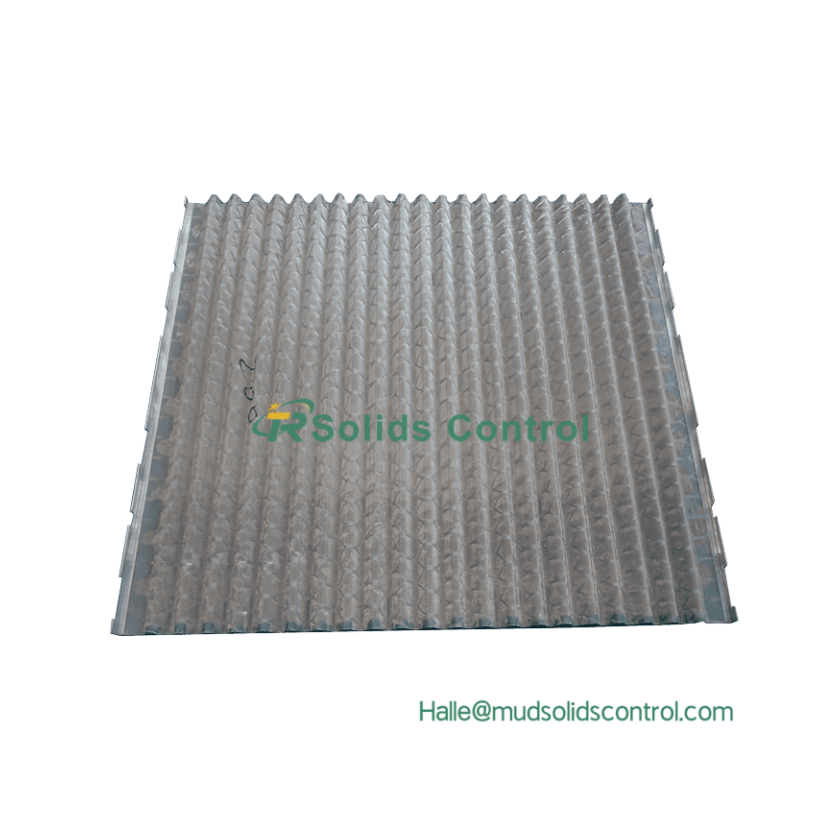
The core advantage of the FLC500 Pyramid Shale Shaker Screen lies in its unique structural design. Unlike traditional flat screens, the pyramid-shaped profile significantly increases the screening area. This expanded surface area allows for more effective separation of drill cuttings from the drilling fluid, leading to enhanced processing capacity and improved fluid recovery. The efficient design of the FLC500 Pyramid Shale Shaker Screen helps rigs maintain a cleaner mud system, which is crucial for optimizing drilling performance and reducing overall operational costs.
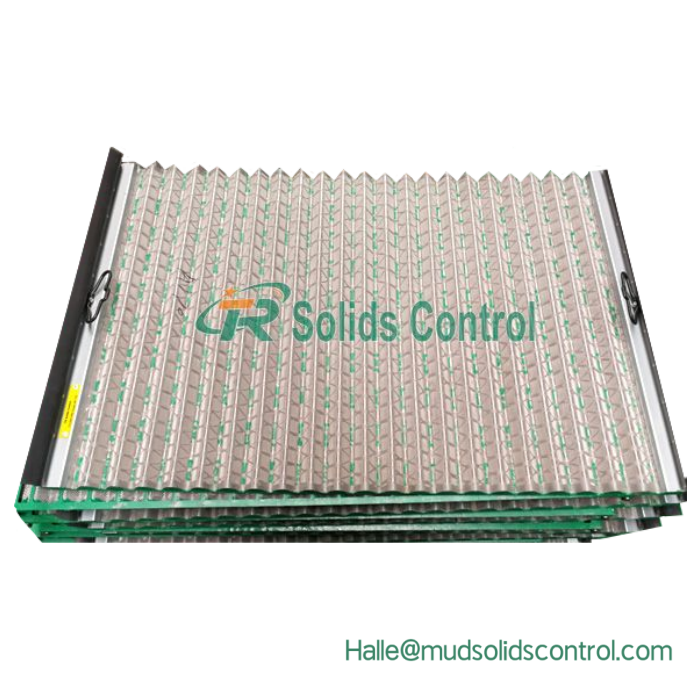
Durability and consistent performance are key benefits of the FLC500 Pyramid Shale Shaker Screen. Constructed with high-strength materials and advanced manufacturing techniques, this screen is built to withstand high flow rates and the abrasive nature of drill solids. Its robust design ensures a longer service life, reducing the frequency of screen replacements and minimizing downtime. The reliable performance of the FLC500 Pyramid Shale Shaker Screen provides operators with a dependable solution for achieving optimal solids control.
As a trusted provider in the oilfield industry, TR Solids Control has built a reputation for producing equipment that combines innovation with practical functionality. The company’s focus on research and development ensures that its products, including the FLC500 Pyramid Shale Shaker Screen, meet the evolving needs of the market. TR Solids Control is dedicated to supporting its clients with equipment that enhances operational efficiency and reliability.