Tag Archives: Shaker Screen Size
Corrugated Shaker Screens for Oil Drilling Mud Solid Control
Introduction:Corrugated shaker screens are core consumables for oil and gas drilling solid control systems. Designed with a unique wave-shaped structure, they deliver exceptional efficiency and durability for shale shakers, effectively separating drilling cuttings from mud while ensuring stable mud properties and continuous drilling operations.
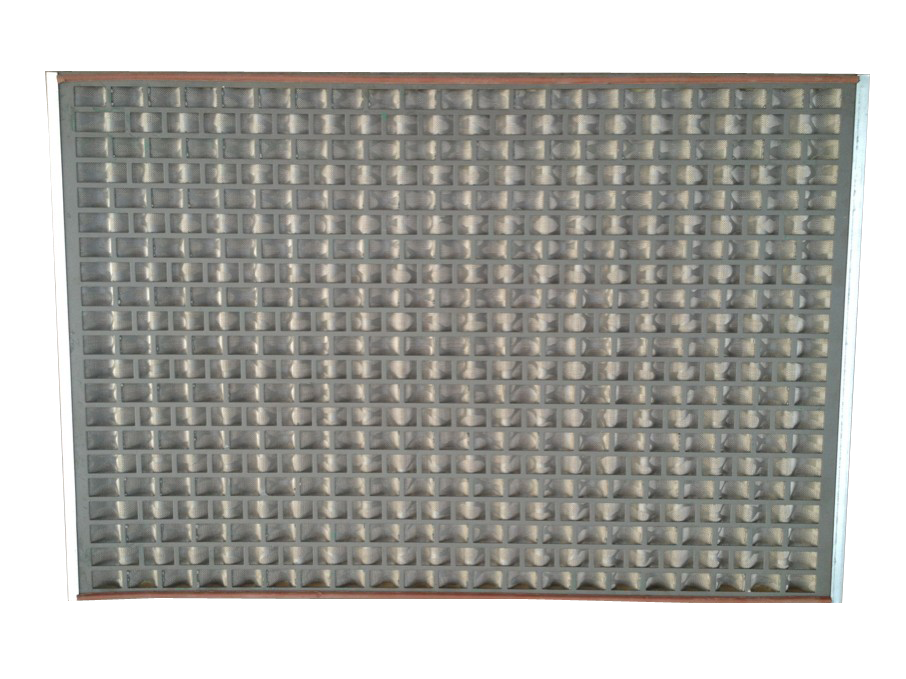
Key Design & Structure:The screen features a multi-layer composite structure tailored for harsh drilling environments:
- Corrugated (Wave-Type) Surface: The raised, wave-like geometry increases the effective screening area, enhances fluid flow rate, and reduces the risk of blinding or plugging, even with high-viscosity mud.
- :Multi-Layer Stainless Steel Mesh: Precision-woven stainless steel wire cloth provides high tensile strength, corrosion resistance, and consistent aperture control for accurate particle separation.
- Reinforced Composite Frame: The rigid, corrosion-resistant frame ensures perfect fit and secure installation on most API-standard shale shakers, preventing vibration-induced deformation.
Core Advantages:
- Higher Processing Efficiency: The corrugated design improves mud throughput by 15-30% compared to flat screens, accelerating cuttings removal and reducing system load.
- Longer Service Life: Reduced direct contact with cuttings minimizes abrasion and fatigue wear, extending screen lifespan by 20-40% in high-flow conditions.
- Superior Anti-Blinding Performance: The wave structure prevents fine particles from sticking to the mesh surface, maintaining consistent separation accuracy over long operations.
- Wide Compatibility: Available in multiple API sizes and mesh counts, compatible with most major shale shaker models, meeting different drilling stage requirements.
Applications:Corrugated shaker screens are widely used in:
- Onshore and offshore oil/gas drilling mud solid control systems
- HDD (Horizontal Directional Drilling) and trenchless engineering mud recycling
- Mining and industrial slurry separation processes
They play a critical role in reducing waste mud discharge, lowering drilling costs, and meeting environmental protection requirements.
Why Choose Our Corrugated Shaker Screens?
Our corrugated shaker screens are manufactured under strict API quality standards, with each batch tested for tensile strength, aperture accuracy, and wear resistance. We offer custom mesh counts, sizes, and frame configurations to match your equipment and drilling conditions, ensuring reliable performance in even the most challenging well sites.
Shale Shaker Screen Mesh Size Selection
The shale shaker screen is a cornerstone of solids control in drilling operations, with its mesh size directly dictating solid-liquid separation efficiency, drilling fluid quality, and overall costs. Selecting the right mesh size is not one-size-fits-all; it requires systematic analysis of separation goals, flow rates, fluid properties, and geological conditions. This guide condenses key considerations for optimal mesh size selection.
1. Mesh Size Fundamentals
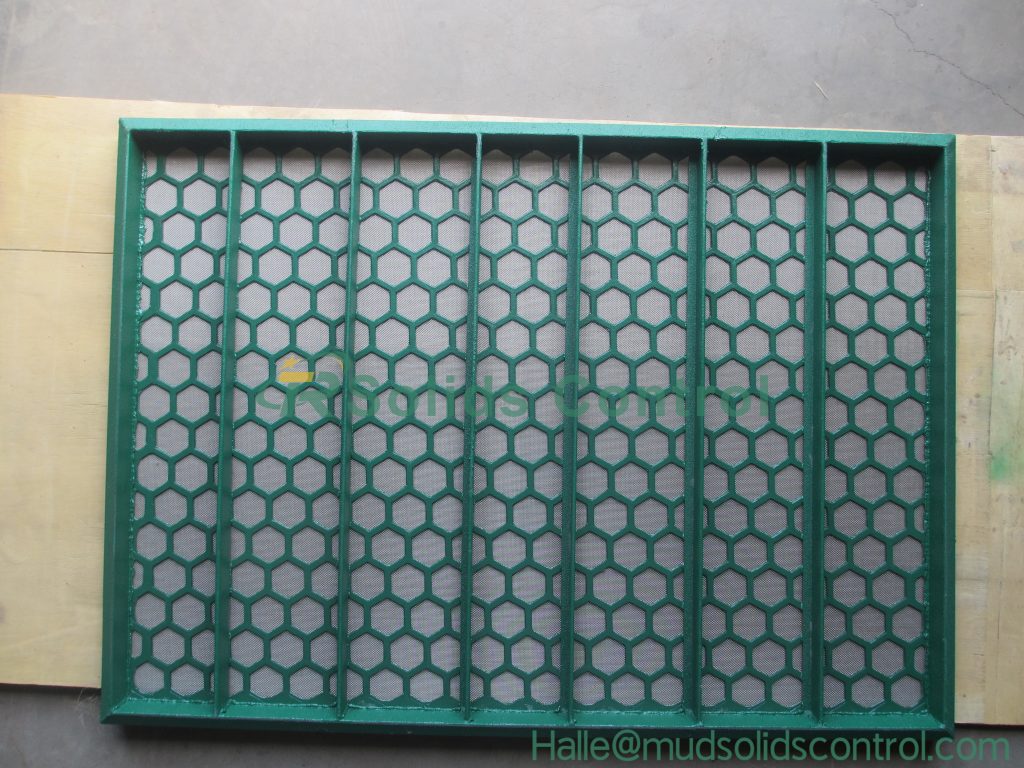
Mesh size refers to the number of openings per linear inch—higher numbers mean finer openings for small particles, while lower numbers (coarser mesh) enable faster fluid flow but only retain larger cuttings. For instance, a 100-mesh screen captures fine particles, while a 40-mesh screen handles larger, angular cuttings. This relationship underpins all selections, as every choice must balance solid removal efficiency and operational continuity.
2. Balance Separation Efficiency and Flow Rate
The core trade-off in mesh selection is between solid removal effectiveness and fluid flow rate. Finer meshes (80–150 mesh) excel at removing tiny solids to preserve fluid integrity but are prone to clogging, reducing flow rates and causing non-productive time from screen maintenance. Coarser meshes (20–60 mesh) boost flow rates and minimize clogging but allow fine particles to accumulate downstream, increasing fluid viscosity, damaging equipment, and risking well instability.Prioritize based on project needs: finer meshes for fluid-critical operations (e.g., horizontal drilling) and coarser meshes for shallow, fast-drilling tasks.
3. Align with Drilling Fluid Properties
Drilling fluids depend on stable viscosity, density, and lubrication for safe drilling, and mesh size controls solids buildup that disrupts these properties. Proper sizing prevents excessive solids from thickening fluid or altering density, reducing maintenance costs (e.g., chemical additions, fresh fluid replacement) and wellbore instability risks. For water-based fluids, mesh selection is尤为 critical to mitigate interactions with formation clays that degrade fluid quality.
4. Adapt to Geological Formations
Formation characteristics dictate cutting size, shape, and composition, requiring tailored mesh sizes. Hard formations (e.g., sandstone) produce large, angular cuttings, so coarser meshes are ideal to avoid clogging and maintain flow. Soft formations (e.g., shale) generate fine cuttings, demanding finer meshes for effective separation. Conduct pre-drilling particle size analysis to identify dominant cutting sizes and optimize mesh choice.High-clay formations pose unique challenges: clays swell in water-based fluids, blinding screens. Balance mesh fineness with anti-swelling additives or coated screens to remove clay particles without exacerbating clogging.
5. Optimize Long-Term Performance and Costs
The right mesh size drives long-term efficiency by maximizing fluid recovery and reducing equipment wear. It retains valuable fluids while removing solids, cutting replacement costs and waste for environmental compliance. Additionally, capturing fine solids prevents abrasive wear on downstream pumps and valves, extending equipment lifespan and minimizing unplanned downtime.
6. Adjust to Changing Conditions
Formations and cutting characteristics shift with depth, so modern shale shakers enable quick screen changes. Continuously monitor fluid clarity, screen clogging, and equipment condition to adapt mesh size in real time—e.g., switch to a finer mesh when transitioning from hard sandstone to soft shale.
Conclusion
Optimal mesh size selection demands a holistic approach integrating fundamentals, flow-separation balance, fluid properties, and geology. By understanding trade-offs and adapting to real-time conditions, operators enhance efficiency, preserve fluid quality, cut costs, and ensure smooth drilling. There is no universal “best” mesh size—only the right fit for specific project conditions.