Tag Archives: Cleanr your Shaker Screens
How to Inspect and Cleanr your Shaker Screens
The shaker screen is a critical component in the mud cleaning system, and its proper selection and maintenance are directly related to the solids control efficiency of drilling operations. Industry practices show that the solids control process can be significantly improved by carefully and appropriately combining screens of different mesh sizes, making it adaptable to various formations and drilling conditions.
Mesh size of the screen is defined as the number of openings per linear inch. It is recommended to stock spare screens of multiple mesh sizes on-site, which should be stored in a dry area and placed vertically to prevent rust and physical damage. During daily operations, avoid personnel stepping on the screens or rough handling to prevent deformation or breakage.
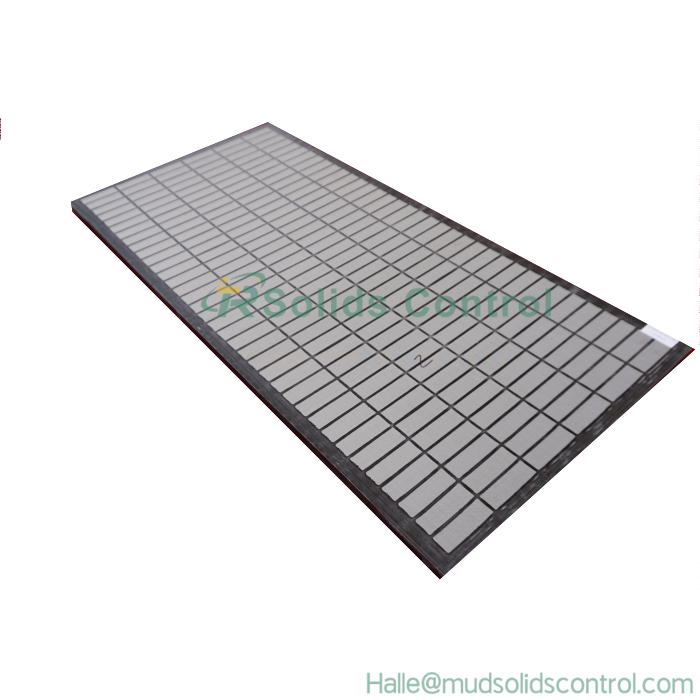
Screen cleaning and inspection are of vital importance. Especially when drilling through viscous formations or using polymer-based drilling fluids, the screens must be rinsed regularly. It is advisable to use low-pressure water flow or soft-bristled brushes for cleaning to avoid impact damage to fine-mesh screens. After cleaning, each screen should be inspected one by one for wear, holes, frame deformation, and tension. Damaged screens are strictly prohibited from being used.
Before installation, confirm that the rubber sealing strips on the screen tray are intact, and secure the screen with the correct wedge blocks to ensure tight contact between the screen and the rear part of the tray. In emergency situations, temporary screen plugging tools can be used for contingency, but the damaged screen should be replaced with a new intact one in a timely manner.
Standardized screen management can not only effectively control the sand content of the drilling mud but also extend the service life of downstream equipment, thereby providing a reliable guarantee for the stable operation of drilling operations.