


Key to Drilling Solids Control: Understanding Shale Shaker Screen Mesh Sizes
In a drilling solids control system, the Shale Shaker Screen serves as the primary processing equipment, and the selection of its mesh size directly affects the cuttings separation efficiency. This article briefly introduces the mesh sizes of Shaker Screens and their applications.
Screen mesh sizes are typically indicated by API numbers, which correspond to the screen’s filtration cut point range. According to the API RP13C standard, different mesh sizes of screens are required for different drilling stages. Common Shale Shaker Screen mesh sizes range between API 100 and API 170, accounting for approximately 70% of the total usage, with API 140 and API 170 being particularly widely used.
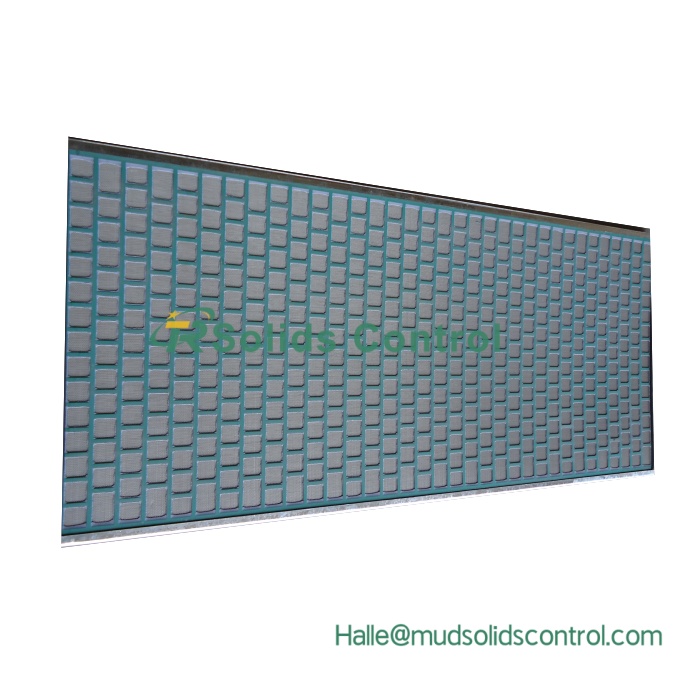
It is important to note that a Shale Shaker Screen is not a single-layer wire mesh. It is usually composed of 2-3 layers of composite wire mesh, and its separation characteristics differ from those of a single-layer mesh. Both the cut point and permeability are specially designed to meet the specific separation range specified by API standards.
How to select the appropriate screen? It is recommended to first consult a drilling mud engineer. In the absence of such support, the selection can be made based on drilling conditions, mud properties, processing capacity, and desired cuttings discharge effect. Accurate operating parameters help recommend a matching Shaker Screen model.
Correct understanding of screen mesh sizes helps optimize the operational efficiency of the Shale Shaker Screen and provides reliable solids control support for drilling operations.
Leave a Reply