


Optimizing shale Shaker Screen Installation
As the core component of shale shaker screening equipment, the installation method of the Shaker Screen directly affects screening efficiency and operational stability. In recent years, with increasing demands for screening precision in industries such as mining and oil and gas development, the installation technology for Shale Shaker Screens has shown a trend of diversified development. Different types of screens are now paired with dedicated installation solutions, which has become an important direction for technological optimization in the industry.
Currently, mainstream Shaker Screen installation methods include hook strip type, wedge tension type, bolt fixation type, and others, all closely related to the screen’s design and material. Among these, hook strip installation is further divided into top hook strip and bottom hook strip forms. Bottom hook strip tensioning devices are commonly used for smaller Shaker Screens at the bottom of desanders and desilters. These achieve a secure fixation by tightening and then reverse-hooking, offering excellent sealing performance for the Shale Shaker Screen.
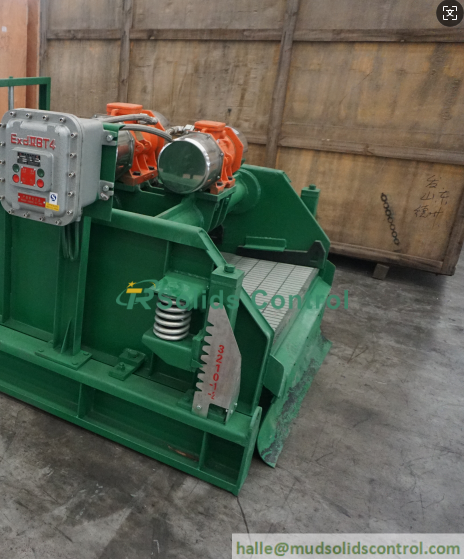
Wedge tension installation is widely used in Shale Shaker Screens from well-known brands like the Derrick series. Their matching steel frames come with pre-tensioning devices, requiring fewer spare parts and featuring a simple installation process. For combined Shaker Screens equipped on 4×5 type shale shaker screens, an installation method combining tension hooks and bolts is employed, allowing the screen to be securely suspended.
The installation and removal of hydraulically pressed screens are even more convenient. Simply operating a control lever allows for immediate screen release. Some shale shaker screen manufacturers combine hooks and pressure. This means the screen is tensioned by hooks and secured by bolts, achieving a tight and stable installation.
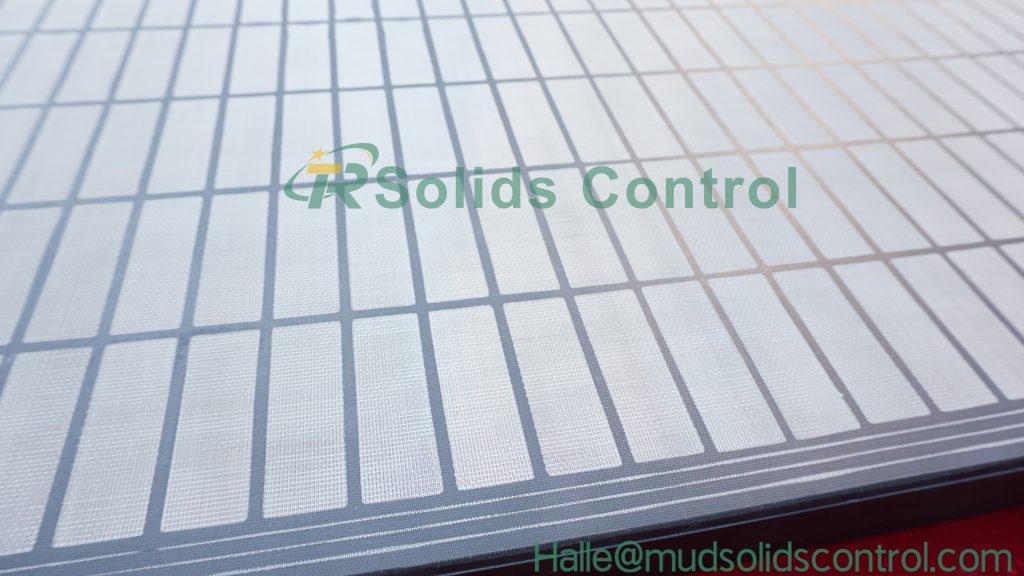
The iterative development of Shale Shaker Screen installation technology consistently revolves around the core needs of the screens. Whether optimizing traditional installation methods or applying new technologies, the goals are to enhance screen compatibility and extend service life, providing more reliable technical support for screening operations across various industries.
Leave a Reply