


Comprehensive Guide to Shale Shaker Screen: Types, Configurations and Selection Tips
Shaker Screen is critical in drilling operations for separating cuttings from drilling fluid.
Understanding their classifications, configurations and selection principles is key to optimizing efficiency and reducing costs. This article details Shale Shaker Screen types, screen cloth configurations and practical selection advice.
Classification of Shale Shaker Screen
Shaker Screen are classified by different standards, each with unique applicability:
- Surface Shape: Flat panel Shaker Screens are simple to install for general use; peak/wave surface Shale Shaker Screens boost fluid contact, improving efficiency and anti-clogging.
- Compression Method: Hook strap Shale Shaker Screens are easy to replace; wedge blocked Shaker Screens offer stability for harsh, high-vibration environments.
- Material: Composite frame Shaker Screens are lightweight and corrosion-resistant; steel frame Shale Shaker Screens are durable for high pressure. Soft composite back support Shaker Screens reduce vibration impact to extend service life.
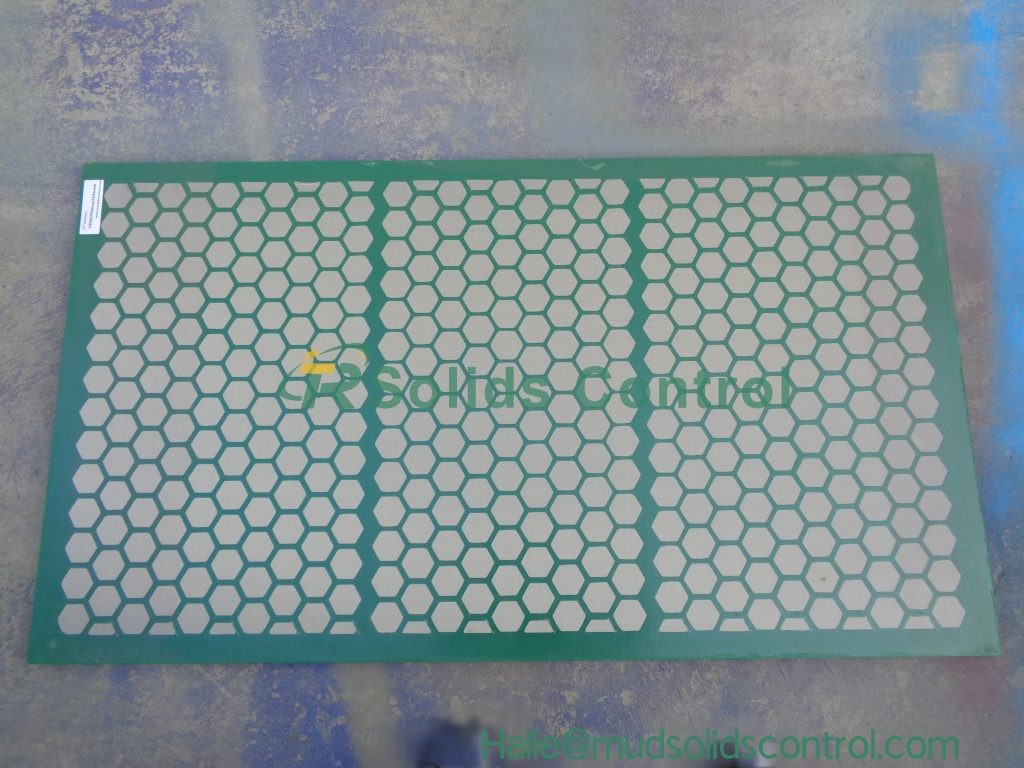
Detailed Configurations of Shale Shaker Screen Cloth
Screen cloth is the core of Shale Shaker Screen, with layers, hole patterns and wire diameter determining screening effect, conductance and NBA performance.
Number of Layers and Hole Patterns
Shale Shaker Screens typically have 1-3 cloth layers, with square, oblong or mixed hole patterns. For example, a two-layer Shaker Screen improves accuracy and fluid flow.
Impact of Configurations on Performance
Different Shaker Screen configurations deliver distinct performance: thick wires offer wear resistance and longevity; thin wires improve efficiency; mixed holes ensure accuracy and anti-clogging. This knowledge is vital for proper selection.
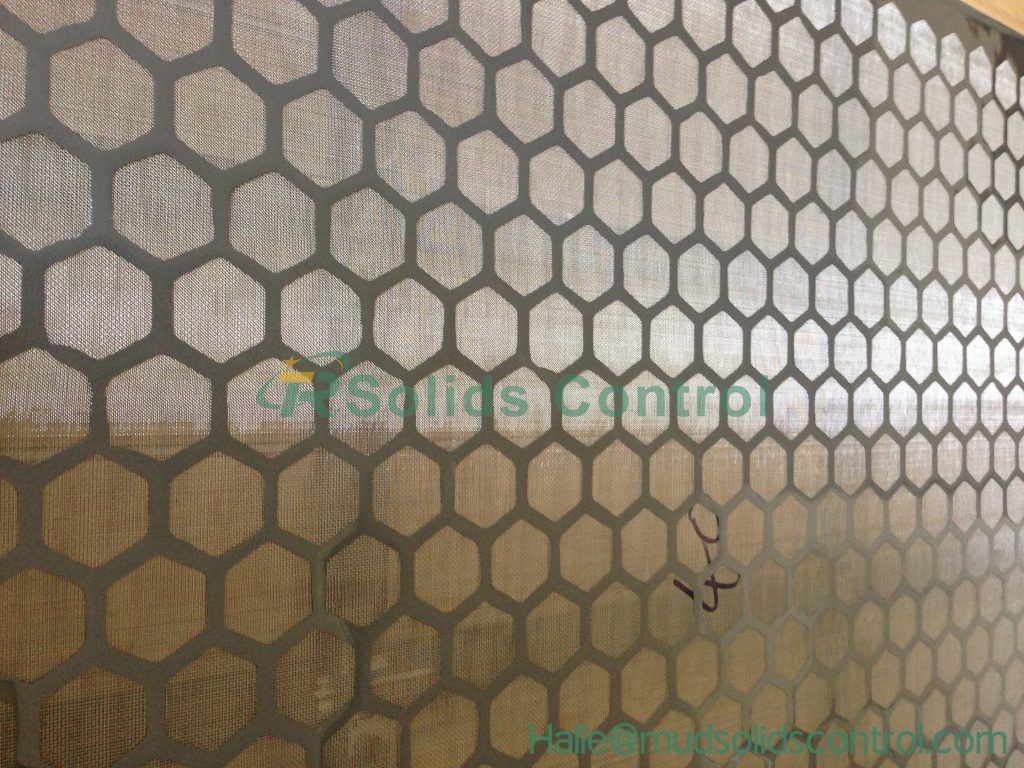
shaker sereen
Select Shaker Screen based on working conditions . Key tips:
- Drilling Fluid Type: For OBM, choose thick-wire Shale Shaker Screens for longevity; for WBM, prioritize high-conductance Shaker Screens. Adjust flexibly based on actual conditions.
- Fluid Viscosity: High-viscosity fluid suits thin-wire Shaker Screens to avoid clogging; low-weight/density WBM fits thick-wire Shale Shaker Screens for pressure resistance and longevity.
- Separation Point (API Designation): Ensure the separation point matches the API designation. Proper Shaker Screen selection ensures effective cuttings removal and cost savings.
Shale Shaker Screen are indispensable for drilling, with types,configurations directly affecting efficiency and costs. Understanding their classification, cloth details and selection principles helps select the optimal product.
For Shaker Screen selection needs or questions, contact us with your working conditions for tailored solutions to optimize operations and save costs.
Leave a Reply