


Production Procedures and Performance Advantages of Petroleum Shale Shaker Screens
The production of petroleum shale shaker screens involves a series of precise processes to ensure their stability and screening performance. The standard production process for flat and wave shale shaker screens is as follows: first, punching the base steel plate to form the supporting structure; then shearing the steel plate to the required size; conducting sandblasting treatment to enhance the surface adhesion of the steel plate; cutting the screen mesh into matching dimensions; bonding the screen mesh with the steel plate (for wave-type screens, an additional step is required: dipping 2-3 layers of screen mesh together, pressing them into a wavy drum shape, and then bonding with the steel plate); manufacturing side hooks for installation; and finally performing edge wrapping to complete the product.
The production process of composite shale shaker screens is relatively simplified, mainly including: cutting the screen mesh into specified sizes, bonding two layers of mesh to enhance screening strength, processing hook edges for assembly, and final packaging and inspection.
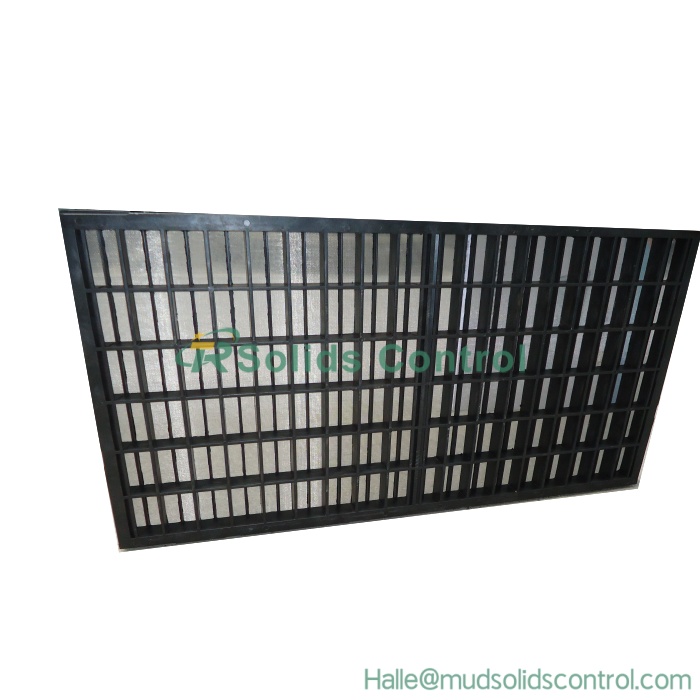
Advantages of Different Types of Shale Shaker Screens :
Each type of petroleum shale shaker screen has unique advantages tailored to different drilling scenarios and requirements.
Flat shale shaker screens are favored for their cost-effectiveness, featuring low production costs and reduced freight expenses due to their flat structure. Moreover, when the mesh surface is damaged during use, it is easy to repair—relevant manufacturers even provide special mesh repair patches to extend the service life of the screen and reduce replacement costs.
Wave shale shaker screens stand out with their larger effective screening area compared to flat screens. The wavy design increases the contact area between the mud and the screen mesh during vibration, which can improve screening efficiency and handle higher mud flow rates, making them suitable for large-scale drilling operations with high impurity content.
Frame-type shale shaker screens, regardless of being injection-molded, steel-framed or aluminum-framed, offer convenient installation. Their standardized frame structure allows for quick assembly and disassembly on the shale shaker, saving maintenance time. Additionally, if the mesh surface is damaged, the frame structure facilitates targeted repair or partial replacement, further reducing downtime and maintenance costs. Among them, steel frame screens have high structural strength, aluminum frame screens are lightweight, and injection-molded frame screens have good corrosion resistance, catering to different working conditions.
Leave a Reply