


Effective Cleaning Methods for Shale Shaker Screen to Maintain Drilling Efficiency
In the drilling industry, the Shale Shaker Screen are core components of the shale shaker system, directly determining solids separation efficiency, drilling fluid loss, and overall operational costs. Proper cleaning of the Shaker Screen is a basic maintenance measure and key to stabilizing the mud circulation system. A clogged or blinded Shaker Screen drastically reduces separation capacity, increases waste, and strains the mud system, leading to more downtime and higher costs. This article details cleaning importance, analyzes common blinding types, and introduces practical mechanical cleaning methods to optimize drilling efficiency.
Understanding Shaker Screen Blinding: The Core Problem Affecting Shale Shaker Screen Performance
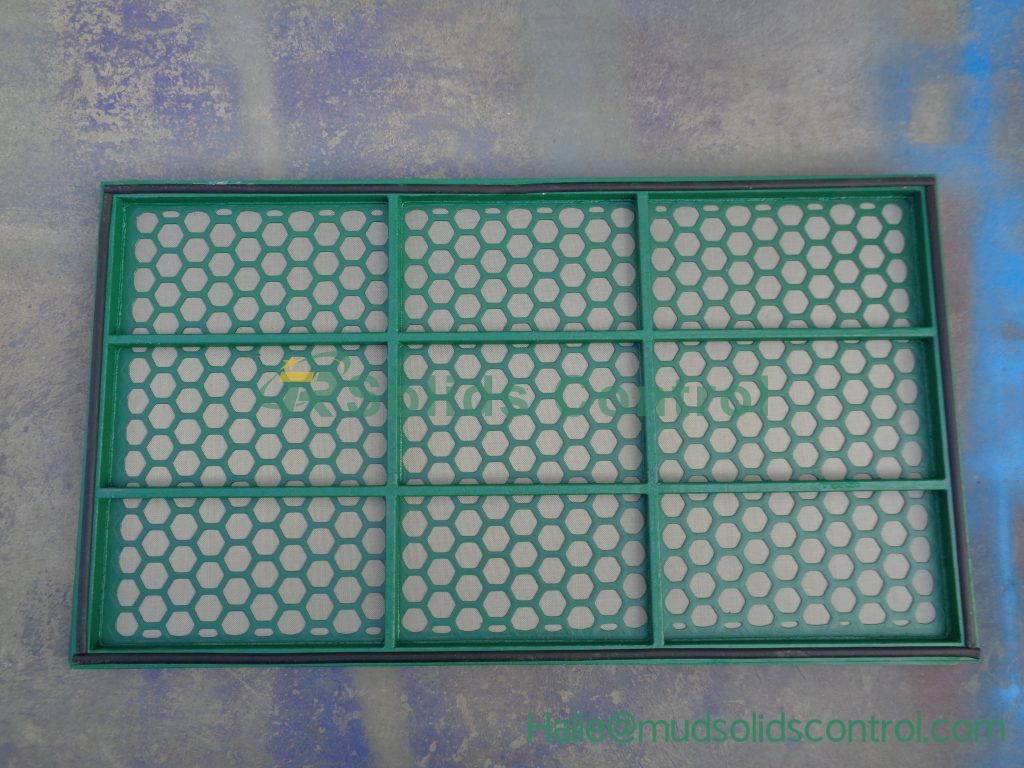
Before cleaning the Shale Shaker Screen, accurately identify blinding types—targeted methods are required for each. Blinding occurs when solids or residues block screen mesh, reducing screening effect. Common types for Shaker Screen are:
- Coarse Blinding: The most common type for Shale Shaker Screen. Large cuttings lodge in mesh, often from fast drilling or oversize cuttings.
- Fine Blinding : Ultra-fine particles embed in Shaker Screen pores, hard to remove manually. This reduces Shale Shaker Screen permeability and drilling fluid separation efficiency.
- Chemical/Sticky Blinding: Sticky formations or mud additives leave gummy residues on Shale Shaker Screen, blocking mesh and accelerating wear.
- Capillary Blinding: Surface tension adheres fine, wet solids to Shale Shaker Screen wires. These resist shaker vibration, accumulating to harm screening performance.
Mechanical Cleaning Methods for Shaker Screen
Mechanical methods are daily go-tos for Shale Shaker Screen—usable while the shaker runs or pauses, with minimal impact on drilling. They are simple, efficient, and ideal for regular maintenance.
1. Brush Cleaning
Simple manual method for daily Shale Shaker Screen maintenance, perfect for loose solids.
- Tool: Stiff, non-metallic brush—avoid metal, which scratches Shaker Screen cloth and shortens Shale Shaker Screen life.
- Procedure: Gently scrub Shaker Screen in the direction of the weave to dislodge solids without damage. Clean uniformly to prevent local screen harm.
- Best For: Loose coarse cuttings and surface mats on Shale Shaker Screen—suitable for daily spot cleaning and post-other-method touch-ups.
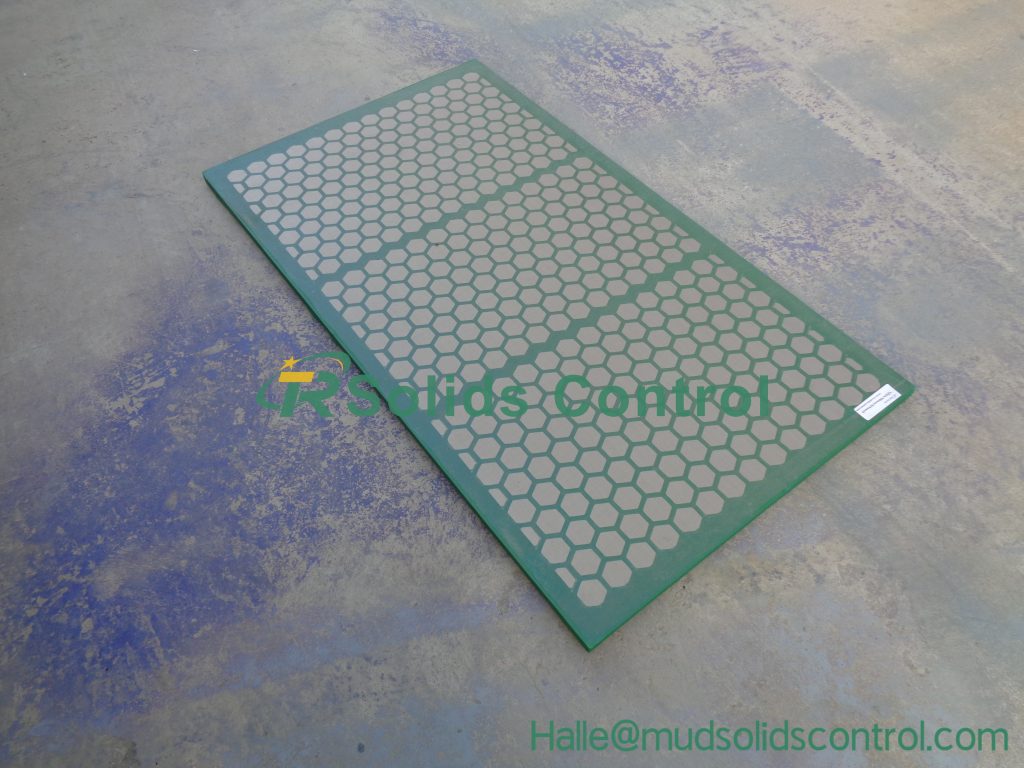
shaker screen
2. Spray Bar Systems
Continuous method for long-term drilling, enabling automatic Shale Shaker Screen cleaning to reduce labor.
- Tool: High-pressure nozzle manifold , evenly arranged to cover the entire Shale Shaker Screen.
- Procedure: Spray pressurized water or diluted detergent onto Shale Shaker Screen to blast residues. Use timer-auto or manual mode; detergent improves results for sticky Shaker Screen blockages.
- Best For: Preventative, continuous cleaning of Shaker Screen. Caution: High pressure damages fine mesh—adjust per screen specs.
3. Ball Deck Cleaners
Low-maintenance, passive continuous method to prevent fine blinding of Shaker Screen long-term.
- Tool: Rubber/polyurethane balls between the support screen and primary fine Shaker Screen. Match ball size to mesh to avoid misalignment.
- Procedure: Shaker vibration makes balls bounce randomly, striking Shaker Screen undersides to dislodge fine plugged particles.
- Best For: Passive, continuous prevention of Shale Shaker Screen fine blinding—no manual operation, ideal for drilling fluid with heavy fine particles.
The Shaker Screen are vital for shale shaker efficiency. Proper, timely cleaning extends their life, stabilizes separation efficiency, minimizes fluid loss, and cuts costs. By identifying Shaker Screen blinding types and using targeted mechanical methods, drilling teams resolve Shale Shaker Screen blockages, ensure smooth system operation, and boost efficiency. Incorporate regularShale Shaker Screen cleaning into daily maintenance for proactive failure prevention.
Leave a Reply