Category Archives: Shaker Screens
Polyurethane Shaker Screen: Solid-Liquid Separation and Classification
In solid-liquid separation and particle classification for heavy-duty industries such as oil and gas drilling and mining, the performance of the Shaker Screen is critical to overall system efficiency. As a revolutionary upgrade to traditional steel screens, polyurethane screens are becoming the preferred choice for enterprises pursuing high efficiency, long service life, and low operating costs—especially in the application of Shale Shaker Screens, where their advantages are most pronounced.
Polyurethane Shaker Screens are designed for harsh operating conditions. Their unique molecular structure provides wear resistance far superior to that of metal or rubber screens, significantly reducing wear in high-intensity operations such as ore processing and drilling waste treatment. This extends service life, lowers replacement frequency, and reduces overall costs. Their robust construction ensures near-maintenance-free durability, enabling continuous screening operations.
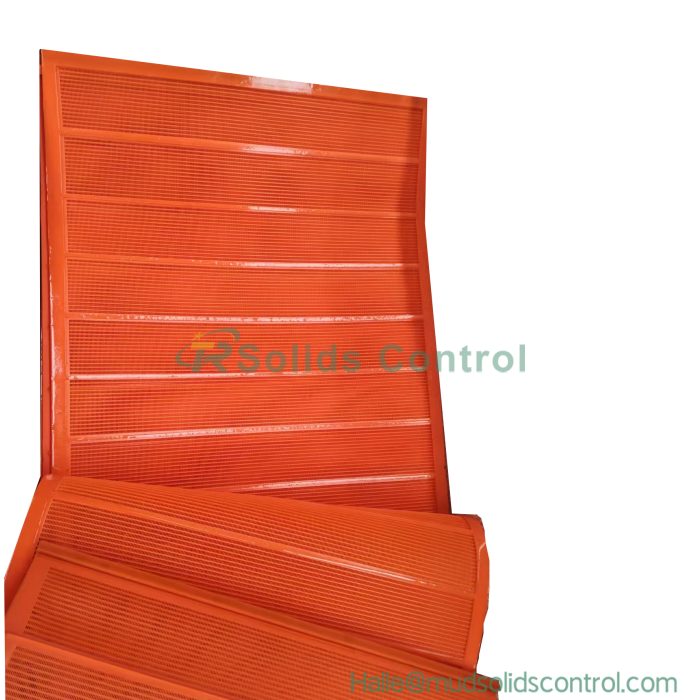
For Shale Shaker Screens, good resistance to water and oil, as well as corrosion resistance, is essential. Polyurethane screens maintain stable performance in water- or oil-based drilling fluids, and are non-flammable, non-toxic, and environmentally friendly—meeting modern safety and environmental standards. The professional screen aperture design and the “secondary vibration” effect created by the material’s elasticity effectively prevent material blinding, enabling self-cleaning and maintaining high, stable screening accuracy over the long term.
Furthermore, polyurethane Shaker Screens are much lighter than steel screens of the same specification. This not only reduces transportation and installation costs but also lowers the load on vibrating equipment, resulting in energy savings, reduced wear, and extended system life. Additionally, the material itself helps absorb vibration and reduce noise.
In summary, choosing high-performance polyurethane Shaker Screens, especially purpose-built polyurethane Shale Shaker Screens, is a key step to improving screening efficiency, reducing operating costs, and enhancing system stability—providing reliable technical support for enterprises in a competitive market.
High-Performance Polyurethane Shaker Screen: The Ultimate Choice for Shale Shaker Screen Applications
In solid-liquid separation and particle classification, Shaker Screen quality directly determines system efficiency—especially for Shale Shaker Screen in oil and gas drilling, mining, and other heavy-duty industries. As a revolutionary upgrade to traditional steel screens, polyurethane Shaker Screen is favored by enterprises pursuing high efficiency, low consumption, and long service life, thanks to its outstanding performance and professional design.
Designed for harsh environments, polyurethane Shale Shaker Screen offers advantages traditional screens lack, excelling in all Shaker Screen applications. Its excellent abrasion resistance, from polyurethane’s unique molecular structure, far outlasts steel or rubber screens. In high-intensity operations like ore processing and drilling waste treatment, it resists material friction, cutting screen replacement frequency and enterprise costs.
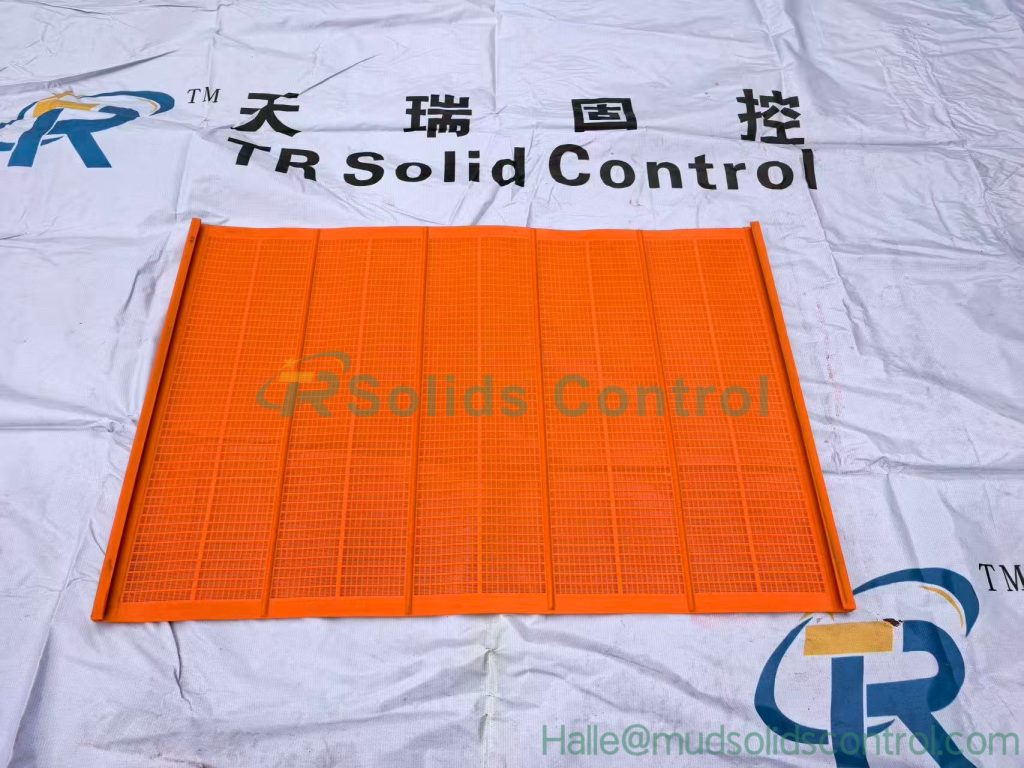
Maintenance and downtime hinder efficiency, but polyurethane Shaker Screen solves this. Its heavy-duty structure ensures durability under normal use, requiring minimal maintenance. This saves enterprises time and labor on inspection and replacement, keeping screening continuous and boosting overall efficiency.
Good water and oil resistance is critical for Shale Shaker Screen in oil and gas drilling. It maintains stable performance in water or oil-containing operations without corrosion. Oil also reduces friction between materials and the Shaker Screen surface, preventing moist particle adhesion, blockage, and abrasion while improving efficiency.
Safety and environmental protection are key for modern enterprises choosing Shaker Screen, and polyurethane Shale Shaker Screen delivers. It is highly corrosion-resistant, resisting chemical media, and nonflammable, non-toxic, and tasteless. It releases no harmful substances, ensuring a safe workplace and aligning with green production.
Screen blockage, a major efficiency issue, is resolved by polyurethane Shaker Screen’s professional mesh design and advanced manufacturing. Even for limited particle sizes, its structure prevents blockage.
Additionally, polyurethane absorbs vibration and sound, reducing noise; oversize surface materials stay intact during operation, ensuring screening accuracy.
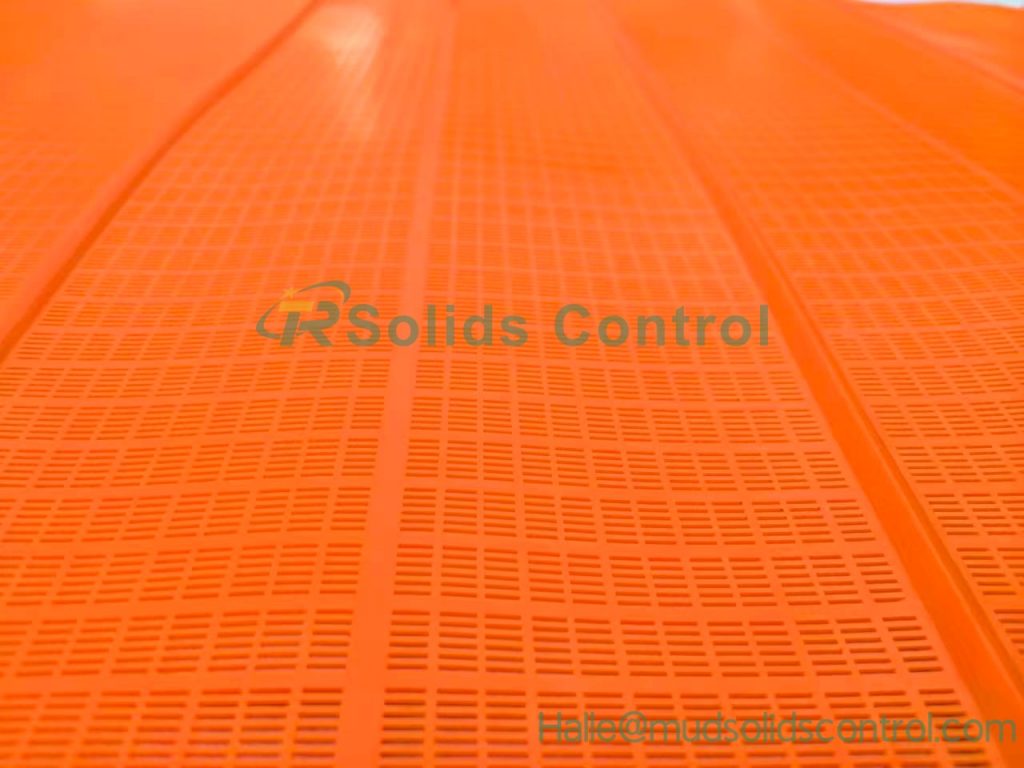
The unique “second vibration” of polyurethane Shale Shaker Screen enhances performance. During shale shaker operation, its elasticity generates secondary vibration for self-cleaning, removing mesh-attached materials promptly to maintain high efficiency and stable long-term performance.
Energy saving is an industrial priority, and polyurethane Shaker Screen excels here. Far lighter than same-size steel screens, it cuts transportation/installation costs and reduces vibration machine load, lowering power consumption, equipment wear, and extending the entire screening system’s service life for greater economic benefits.
In summary, polyurethane Shaker Screen is indispensable in screening systems—especially Shale Shaker Screen for oil and gas drilling and mining. Its advantages of long service life, low maintenance, strong adaptability, high efficiency, safety, and energy saving surpass traditional screens. Choosing the right polyurethane Shale Shaker Screen boosts efficiency, cuts costs, and enhances system stability, supporting enterprise development in fierce competition.
Effective Cleaning Methods for Shale Shaker Screen to Maintain Drilling Efficiency
In the drilling industry, the Shale Shaker Screen are core components of the shale shaker system, directly determining solids separation efficiency, drilling fluid loss, and overall operational costs. Proper cleaning of the Shaker Screen is a basic maintenance measure and key to stabilizing the mud circulation system. A clogged or blinded Shaker Screen drastically reduces separation capacity, increases waste, and strains the mud system, leading to more downtime and higher costs. This article details cleaning importance, analyzes common blinding types, and introduces practical mechanical cleaning methods to optimize drilling efficiency.
Understanding Shaker Screen Blinding: The Core Problem Affecting Shale Shaker Screen Performance
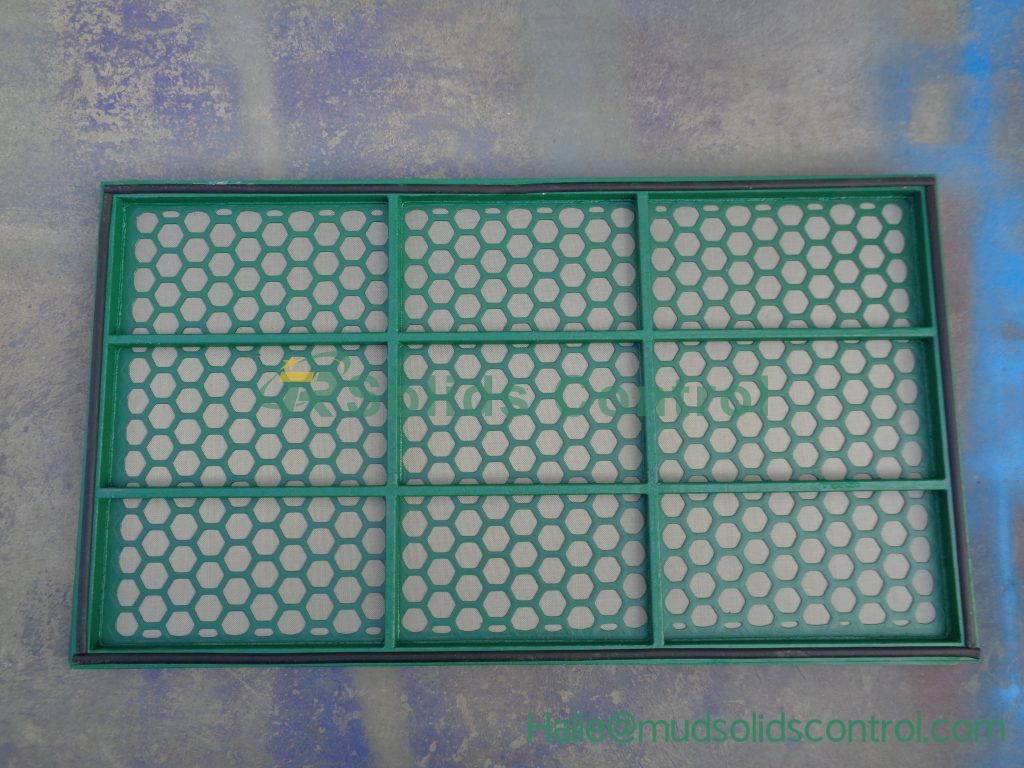
Before cleaning the Shale Shaker Screen, accurately identify blinding types—targeted methods are required for each. Blinding occurs when solids or residues block screen mesh, reducing screening effect. Common types for Shaker Screen are:
- Coarse Blinding: The most common type for Shale Shaker Screen. Large cuttings lodge in mesh, often from fast drilling or oversize cuttings.
- Fine Blinding : Ultra-fine particles embed in Shaker Screen pores, hard to remove manually. This reduces Shale Shaker Screen permeability and drilling fluid separation efficiency.
- Chemical/Sticky Blinding: Sticky formations or mud additives leave gummy residues on Shale Shaker Screen, blocking mesh and accelerating wear.
- Capillary Blinding: Surface tension adheres fine, wet solids to Shale Shaker Screen wires. These resist shaker vibration, accumulating to harm screening performance.
Mechanical Cleaning Methods for Shaker Screen
Mechanical methods are daily go-tos for Shale Shaker Screen—usable while the shaker runs or pauses, with minimal impact on drilling. They are simple, efficient, and ideal for regular maintenance.
1. Brush Cleaning
Simple manual method for daily Shale Shaker Screen maintenance, perfect for loose solids.
- Tool: Stiff, non-metallic brush—avoid metal, which scratches Shaker Screen cloth and shortens Shale Shaker Screen life.
- Procedure: Gently scrub Shaker Screen in the direction of the weave to dislodge solids without damage. Clean uniformly to prevent local screen harm.
- Best For: Loose coarse cuttings and surface mats on Shale Shaker Screen—suitable for daily spot cleaning and post-other-method touch-ups.
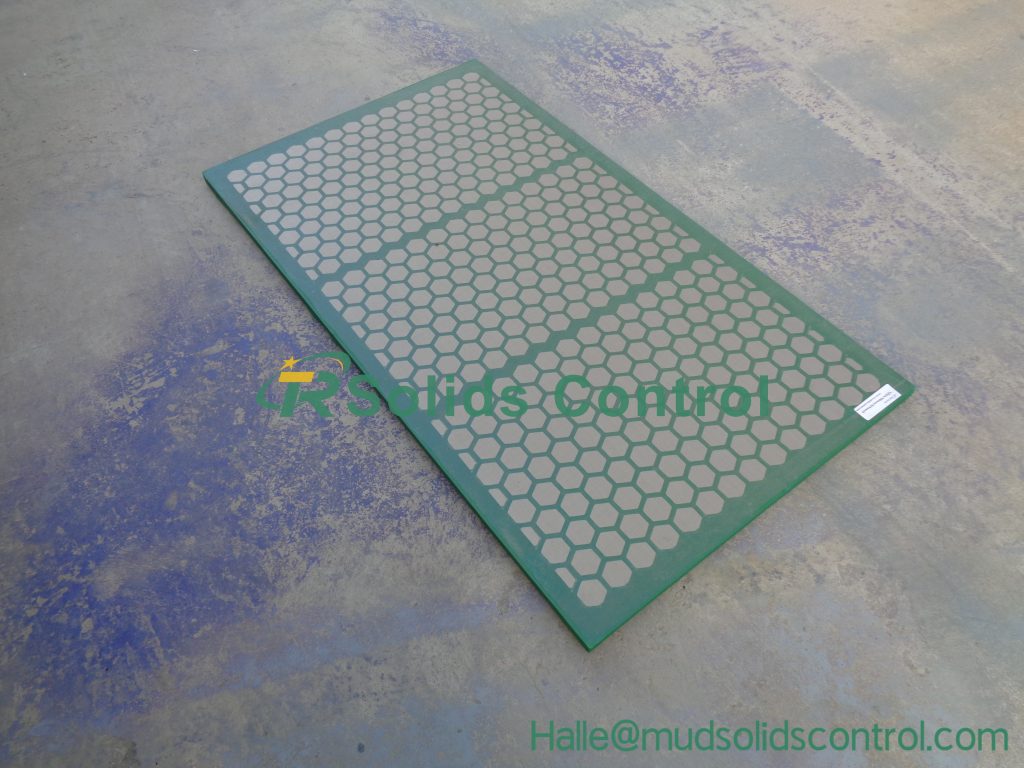
shaker screen
2. Spray Bar Systems
Continuous method for long-term drilling, enabling automatic Shale Shaker Screen cleaning to reduce labor.
- Tool: High-pressure nozzle manifold , evenly arranged to cover the entire Shale Shaker Screen.
- Procedure: Spray pressurized water or diluted detergent onto Shale Shaker Screen to blast residues. Use timer-auto or manual mode; detergent improves results for sticky Shaker Screen blockages.
- Best For: Preventative, continuous cleaning of Shaker Screen. Caution: High pressure damages fine mesh—adjust per screen specs.
3. Ball Deck Cleaners
Low-maintenance, passive continuous method to prevent fine blinding of Shaker Screen long-term.
- Tool: Rubber/polyurethane balls between the support screen and primary fine Shaker Screen. Match ball size to mesh to avoid misalignment.
- Procedure: Shaker vibration makes balls bounce randomly, striking Shaker Screen undersides to dislodge fine plugged particles.
- Best For: Passive, continuous prevention of Shale Shaker Screen fine blinding—no manual operation, ideal for drilling fluid with heavy fine particles.
The Shaker Screen are vital for shale shaker efficiency. Proper, timely cleaning extends their life, stabilizes separation efficiency, minimizes fluid loss, and cuts costs. By identifying Shaker Screen blinding types and using targeted mechanical methods, drilling teams resolve Shale Shaker Screen blockages, ensure smooth system operation, and boost efficiency. Incorporate regularShale Shaker Screen cleaning into daily maintenance for proactive failure prevention.
Comprehensive Guide to Shale Shaker Screen: Types, Configurations and Selection Tips
Shaker Screen is critical in drilling operations for separating cuttings from drilling fluid.
Understanding their classifications, configurations and selection principles is key to optimizing efficiency and reducing costs. This article details Shale Shaker Screen types, screen cloth configurations and practical selection advice.
Classification of Shale Shaker Screen
Shaker Screen are classified by different standards, each with unique applicability:
- Surface Shape: Flat panel Shaker Screens are simple to install for general use; peak/wave surface Shale Shaker Screens boost fluid contact, improving efficiency and anti-clogging.
- Compression Method: Hook strap Shale Shaker Screens are easy to replace; wedge blocked Shaker Screens offer stability for harsh, high-vibration environments.
- Material: Composite frame Shaker Screens are lightweight and corrosion-resistant; steel frame Shale Shaker Screens are durable for high pressure. Soft composite back support Shaker Screens reduce vibration impact to extend service life.
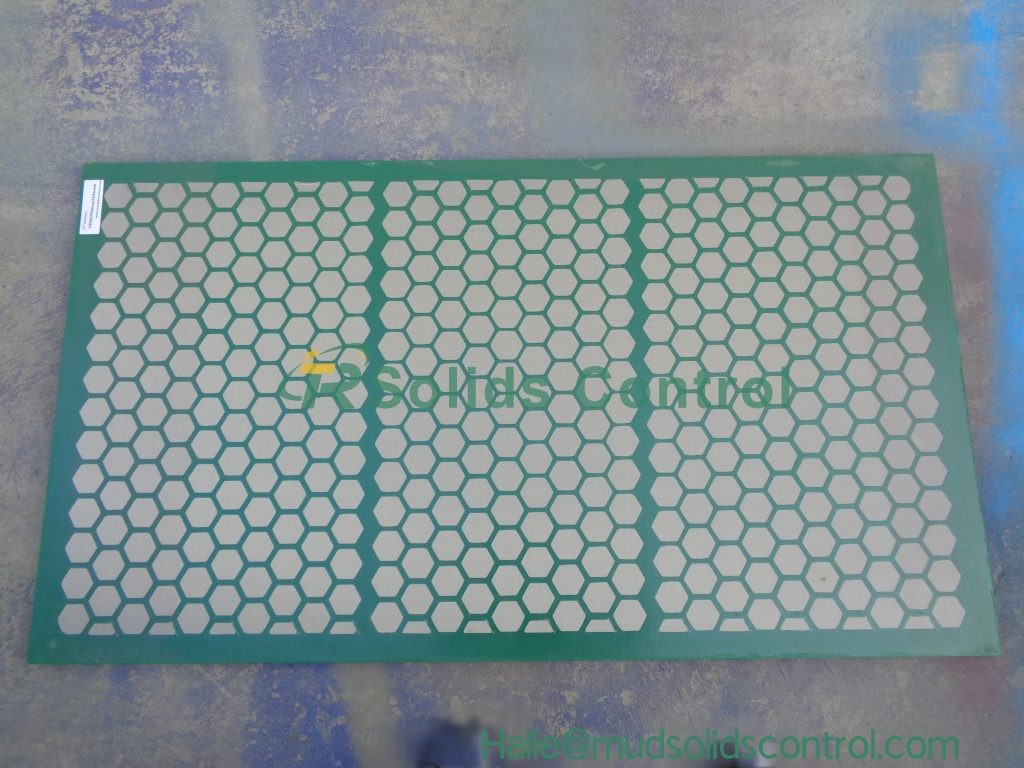
Detailed Configurations of Shale Shaker Screen Cloth
Screen cloth is the core of Shale Shaker Screen, with layers, hole patterns and wire diameter determining screening effect, conductance and NBA performance.
Number of Layers and Hole Patterns
Shale Shaker Screens typically have 1-3 cloth layers, with square, oblong or mixed hole patterns. For example, a two-layer Shaker Screen improves accuracy and fluid flow.
Impact of Configurations on Performance
Different Shaker Screen configurations deliver distinct performance: thick wires offer wear resistance and longevity; thin wires improve efficiency; mixed holes ensure accuracy and anti-clogging. This knowledge is vital for proper selection.
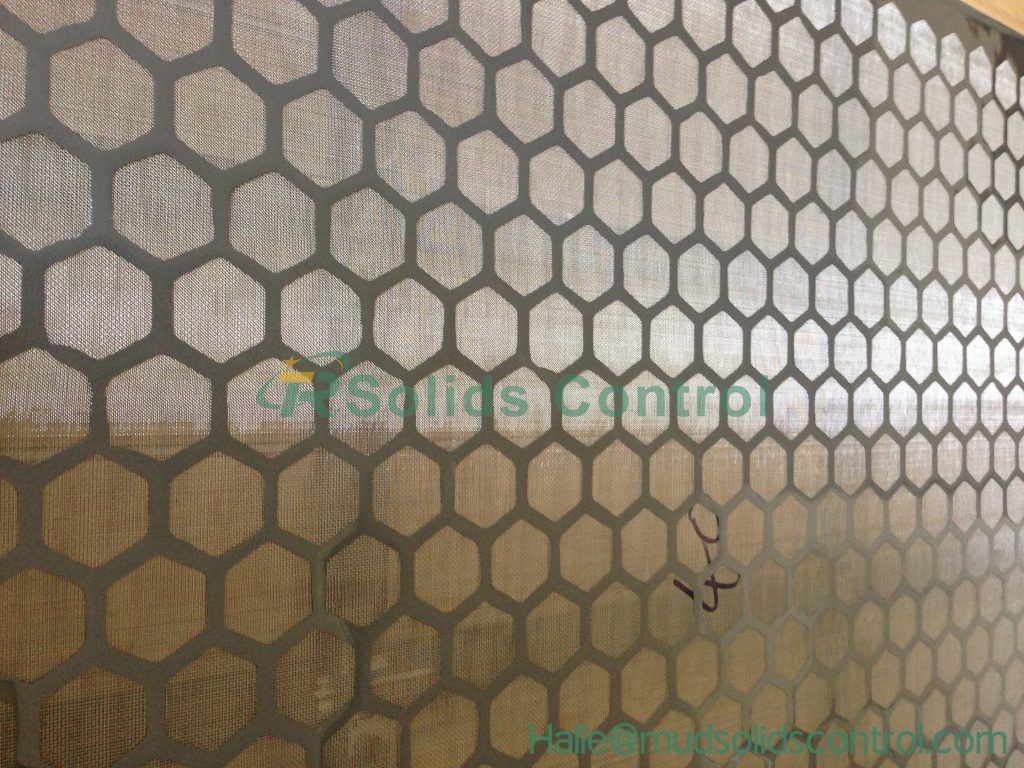
shaker sereen
Select Shaker Screen based on working conditions . Key tips:
- Drilling Fluid Type: For OBM, choose thick-wire Shale Shaker Screens for longevity; for WBM, prioritize high-conductance Shaker Screens. Adjust flexibly based on actual conditions.
- Fluid Viscosity: High-viscosity fluid suits thin-wire Shaker Screens to avoid clogging; low-weight/density WBM fits thick-wire Shale Shaker Screens for pressure resistance and longevity.
- Separation Point (API Designation): Ensure the separation point matches the API designation. Proper Shaker Screen selection ensures effective cuttings removal and cost savings.
Shale Shaker Screen are indispensable for drilling, with types,configurations directly affecting efficiency and costs. Understanding their classification, cloth details and selection principles helps select the optimal product.
For Shaker Screen selection needs or questions, contact us with your working conditions for tailored solutions to optimize operations and save costs.
Frequently Asked Questions About Mining Shale Shaker Screen
In mining, Shale Shaker Screen are essential for material processing, ensuring smooth production and quality. Below are common questions and answers to help you use them better.
1. What is the main goal of using Shaker Screen in mining?
The core goal of Shaker Screen is to separate materials by size and quality. A high-performance Shaker Screen sorts qualified materials for subsequent steps, keeping production smooth and products high-quality. Shale Shaker Screen excels at sorting high-viscosity or fine particles.
2. How often should you check your Shale Shaker Screen equipment?
Check your Shale Shaker Screen daily. Inspect for screen damage, clean dust and residues, and ensure normal operation. Daily checks detect potential issues early, avoiding major failures and reducing downtime.
3. Which type of Shaker Screen works best for sticky materials?
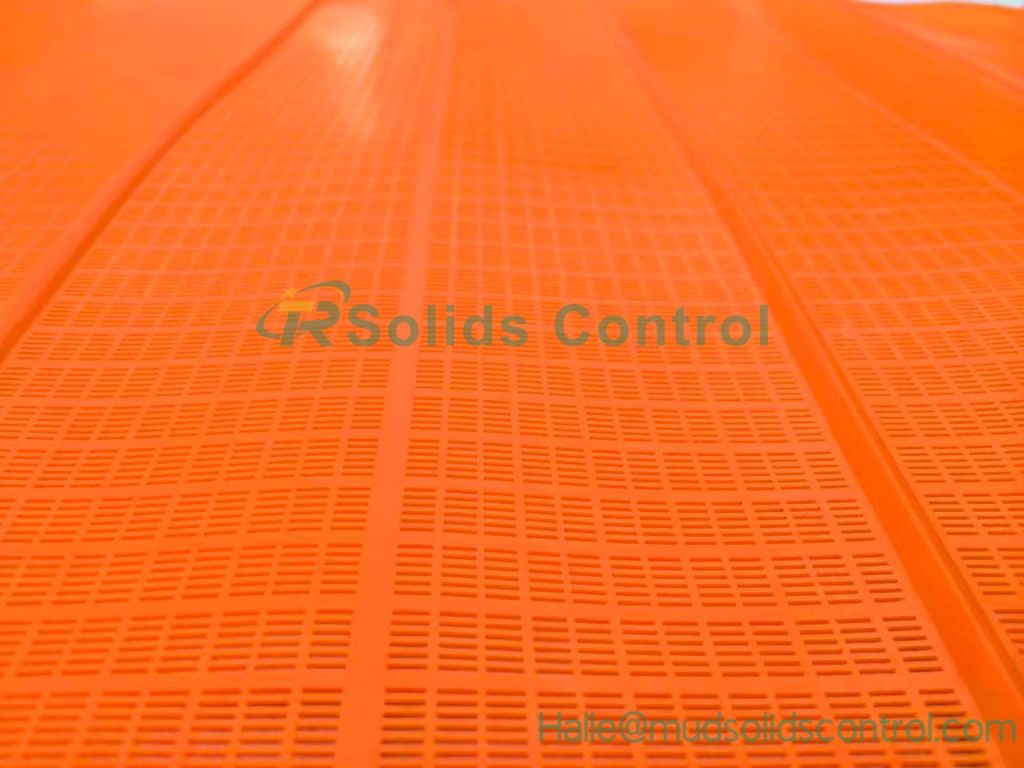
For sticky materials, PU-mesh and self-cleaning Shaker Screen are optimal. They resist clogging, wear better, and last longer, reducing cleaning time and boosting efficiency.
4. Can using Shaker Screen help mines save money?
Yes! Shaker Screen remove waste early, cutting subsequent energy consumption and equipment wear. Rational use lowers overall costs and increases mine profits.
5. What causes Shale Shaker Screen to wear out fast?
Rapid wear stems from long-term heavy loads, insufficient screen tension, and uneven feeding. To extend service life, use high-strength materials, check and adjust tension regularly, and ensure uniform feeding.
6. How do you pick the right screen media for Shaker Screen ?
Choose screen media based on material type, required size, and wet/dry process. Clarify priorities to select the best option for better results.
7. Does using Shaker Screen improve mining safety?
Absolutely! Advanced Shaker Screen have intelligent sensors to detect hazards early, protecting workers and preventing accidents—critical for mining safety.
8. Why should you upgrade your Shale Shaker Screen equipment?
Upgrading Shale Shaker Screen boosts efficiency, extends service life, reduces downtime, and eases maintenance. It helps mines adapt to changing needs and maintain stability.
In summary, Shale Shaker Screen are indispensable in mining. Correct use, regular maintenance, and proper screen media selection maximize their value, cutting costs, boosting efficiency, and ensuring safety.
How to Choose the Right Shaker Screen for Your Mining Operation
When it comes to mining operations, selecting the appropriate Shale Shaker Screen can significantly impact your overall mining results. High-quality Shale Shaker Screen that matches your specific job requirements and material characteristics will not only improve screening efficiency but also reduce operational troubles. To make the best choice, you need to closely combine your actual working conditions with the performance of the Shaker Screen, and here are key factors and questions to consider before making a decision.
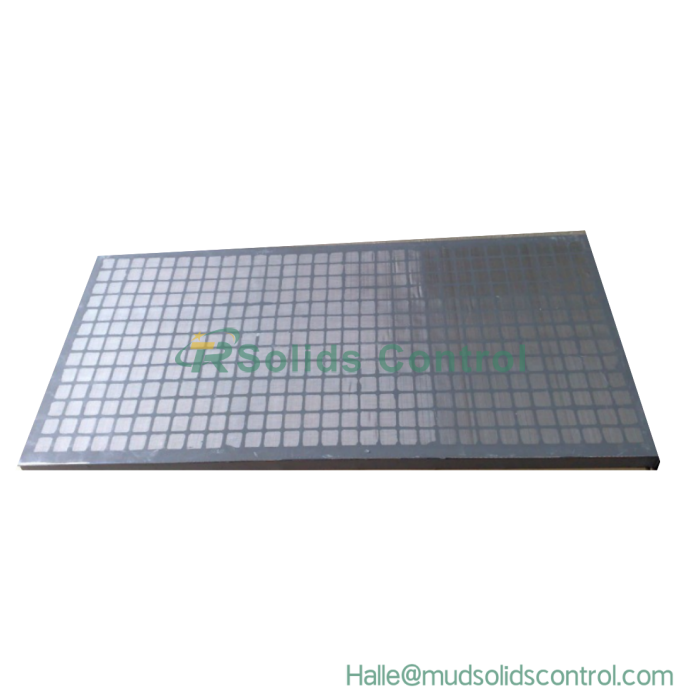
shaker screen
Key Factors to Check Before Choosing a Shaker Screen
The first step in selecting a suitable Shale Shaker Screen is to clarify your core needs and material properties, as these directly determine which type of Shaker Screen will perform best. Here are four essential checks to guide your selection:
1. Determine the Required Cut Size
The cut size is a critical indicator for choosing any Shaker Screen. Before selecting a Shale Shaker Screen, carefully analyze the feed material: observe its particle size distribution and check if there are a large number of particles close to your target cut size. This will help you select a Shaker Screen with the appropriate mesh size, ensuring that the screened material meets your operational standards and avoids unnecessary rework.
2. Evaluate Material Characteristics
The nature of the material you are processing has a direct impact on the performance and service life of the Shale Shaker Screen. You must check whether the material is abrasive, sticky, or wet—each of these properties will change how the Shaker Screen operates. For example, abrasive materials require a more wear-resistant Shaker Screen to extend service life, while sticky or wet materials may require a special mesh design to prevent blockage.
3. Prioritize Operational Goals
Before choosing a Shale Shaker Screen, clarify your primary operational goal: do you prioritize high material throughput (moving lots of material quickly) or longer Shaker Screen service life? This choice will help you select between different screen materials and designs—for example, a thicker screen may last longer but reduce throughput, while a thinner screen may boost efficiency but wear out faster.
4.Ensure Compatibility with Fastening Systems
Frequently overlooked but crucial factor is the compatibility of the Shaker Screen (or Shale Shaker Screen) with your existing fastening system. Even the highest-quality Shale Shaker Screen will not perform well if it does not fit securely with your shaker’s fastening mechanism. Before purchasing, verify the screen’s dimensions and fastening style to ensure a tight, stable fit that prevents movement during operation.
Key Questions to Ask Yourself
In addition to the above checks, asking yourself the following questions will further refine your Shaker Screen selection, ensuring it perfectly aligns with your mining operation:
- Is your screening process wet or dry? This will determine whether you need a water-resistant Shale Shaker Screen or one designed for dry material.
- Will your Shaker Screen likely clog or plug up during operation? If so, you may need a Shale Shaker Screen with a special anti-clog mesh design.
- How rough is your material? Rough, abrasive materials require a more durable Shaker Screen to withstand constant wear.
- What specific particle sizes do you need to sort? This will confirm the exact mesh size required for your Shale Shaker Screen.
- Do you need to wash your material during screening? If yes, select a Shaker Screen that can withstand water flow without damage.
- Is noise a problem at your mining site? Some Shaker Screen designs produce less noise, which can help improve working conditions.
Conclusion
Choosing the right Shaker Screen or Shale Shaker Screen is not a random decision—it requires careful consideration of your cut size needs, material characteristics, operational priorities, and compatibility with existing equipment. By thoroughly checking the key factors outlined above and answering these critical questions, you can select a Shale Shaker Screen that is perfectly suited to your mining operation. This not only ensures better screening results and higher efficiency but also reduces equipment downtime, lowers replacement costs, and minimizes operational headaches in the long run. Remember, a well-chosen Shaker Screen is an investment that pays off in improved mining performance.
Common Issues and Solutions for Shale Shaker Screen in Mining Operations
In mining operations, Shale Shaker Screen are essential for material separation but often suffer from clogging and wear and tear, which slow down work, reduce material quality, and cut efficiency. Understanding their causes and solutions ensures stable operation of Shale Shaker Screen.
Clogging Issues of Shale Shaker Screen
Clogging is a common problem for both Shaker Screen , impairing their separation function. Main causes include:
- excessive water making particles clump;
- sticky/charged particles adhering to the screen;
- lightweight/irregular particles piling up;
- particles close to mesh size jamming holes;
- thick-wire screens with little open space;
- lack of cleaning tools; and loose screen edges.
Solutions to prevent clogging:
- dry materials beforehand;
- crush large lumps;
- use ground wires to eliminate static;
- install cleaning tools like bouncing balls or ultrasonic cleaners;
- adopt anti-blocking mesh and adjust airflow;
- control feeding speed and screen angle;
- and add flow-aiding agents such as talcum powder.
A useful tip: self-cleaning Shaker Screen and ultrasonic Shale Shaker Screen reduce clogging and save time.
Wear and Tear of Shale Shaker Screen
Shale Shaker Screen work under harsh mining conditions, leading to inevitable wear and tear that shortens service life and causes downtime. Key causes are poor screen quality , insufficient screen tension , and excessive/uneven feeding .
To extend their service life:
- choose high-quality screen media ;
- maintain proper screen tension;
- feed materials evenly;
- inspect and repair minor damage promptly.
Note: High-quality Shaker Screen media reduce breakdowns and downtime long-term.
In short, addressing clogging and wear and tear with the above methods helps improve the efficiency and service life of Shale Shaker Screen, cutting operational costs for mining enterprises.
The Role of Shale Shaker Screen in Mining
Screening is a crucial step in mining operations, primarily functioning to sort materials by size and quality before subsequent processing. At the core of this process lies the Shaker Screen, a key equipment that uses vibration to separate mineral particles, ensuring only qualified materials proceed further. By employing Shaker Screen, raw minerals are cleaned, unwanted impurities are removed, and the entire workflow is maintained smoothly, helping mines meet stringent quality standards.
Among various screening equipment, the Shale Shaker Screen stands out for its efficiency in handling specific mining scenarios, especially in separating shale and other fine-grained materials. This specialized Shale Shaker Screen not only enhances material separation accuracy but also adapts well to harsh mining environments, making it indispensable for operations targeting minerals mixed with shale.
Adopting advanced Shaker Screen technology brings multiple benefits to mining operations. It reduces equipment wear, minimizes waste generation, and lowers energy consumption, as only appropriate materials pass through the screen, improving overall processing results and reducing operational issues. Proper maintenance of Shaker Screen and Shale Shaker Screen is also essential—it prevents unexpected breakdowns, extends equipment service life, and sustains stable production.
Choosing the right screen media for Shaker Screen and Shale Shaker Screen depends on the material properties and mining requirements. Different types, such as self-cleaning screens and vibrating screens, work best with specific materials, further optimizing separation efficiency. In essence, Shaker Screen and Shale Shaker Screen not only boost product quality and mineral recovery rates but also reduce costs and enhance on-site safety by identifying potential hazards.
Shale Shaker Screen Material Selection and Structural Components
The material system of a Shaker Screen is a key factor determining its performance, covering not only the core screen cloth but also supporting plates, frames, rubber strips, and other auxiliary parts. For a high-performance Shale Shaker Screen, scientific material selection for each component is essential to meet the harsh requirements of drilling solids control operations. To fully grasp the material characteristics of Shaker Screen, it is necessary to first understand the basic structure of a Shale Shaker Screen panel.
StandardShaker Screen panel consists of three core components: screen cloth , supporting plate/frame, and rubber strips installed under the tubes. Among them, the screen cloth is the core functional part of the Shale Shaker Screen. It is usually made of high-quality 304~316L stainless steel, which provides excellent rust resistance and durability, ensuring stable screening effect in wet and corrosive environments. According to customers’ budget and actual application scenarios, different grades of stainless steel wire mesh can be customized for the Shaker Screen, achieving a balance between performance and cost.
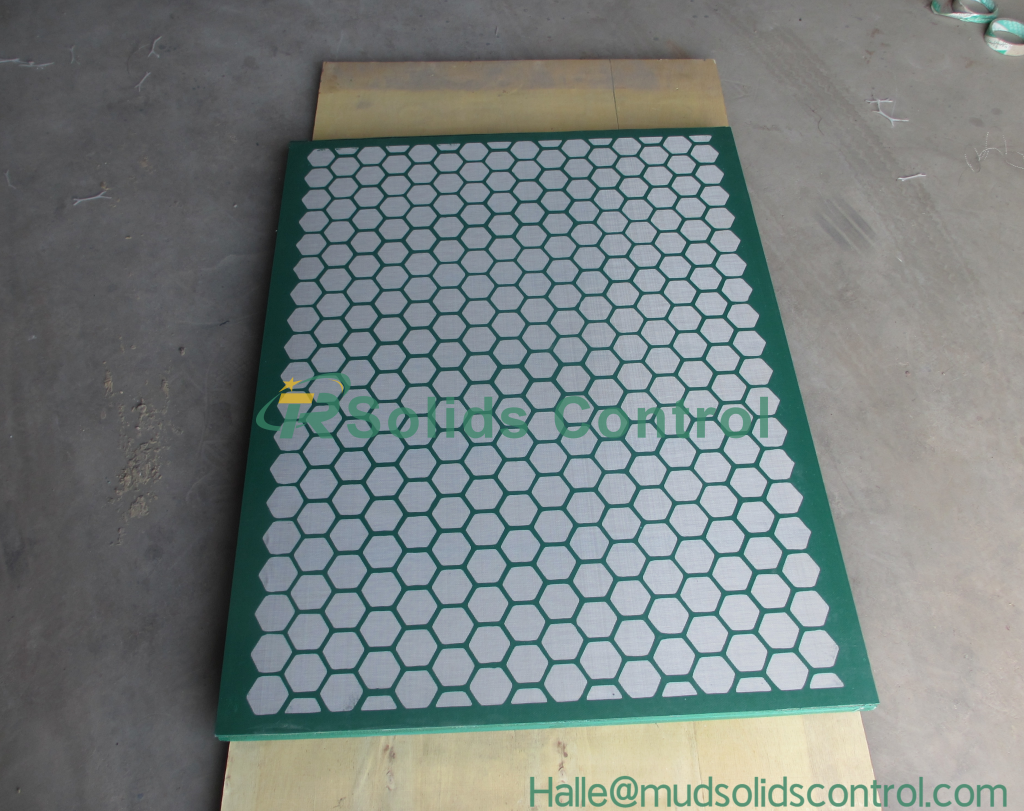
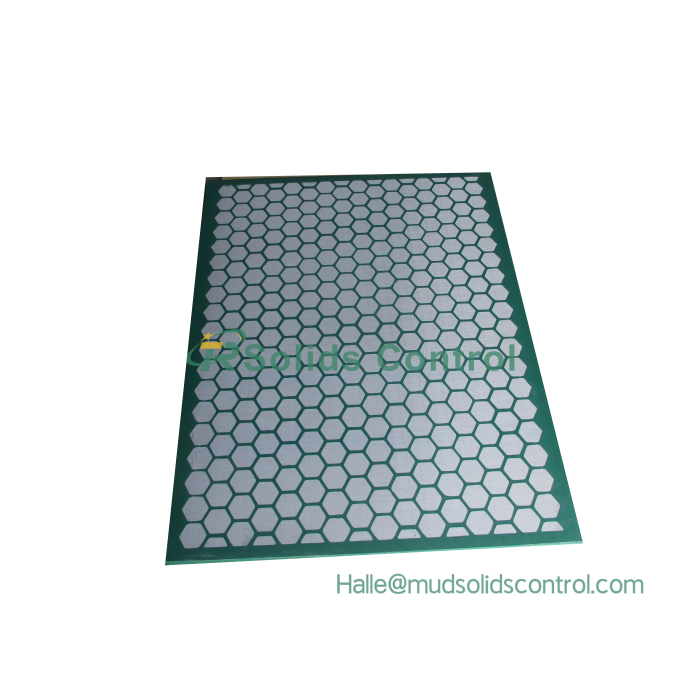
The supporting plate that carries the screen cloth layers is mainly made of cold-rolled carbon steel plate with a thickness of 1.5~2mm, which has good structural strength and cost-effectiveness. Only a small number of customers with special requirements will choose stainless steel plates for their Shale Shaker Screen. These supporting plates need to be processed with punched holes of various shapes, such as rectangles, squares, triangles, hexagons, etc. In some complex applications, a single Shaker Screen can even adopt mixed hole shapes. For example, well-known brands like NOV Brandt®, VSM®, and Venom® use triangular holes of different sizes on their Shale Shaker Screen products to improve screening efficiency and throughput.
The frame structure of Shaker Screen varies according to product type. For steel-framed Shale Shaker Screen, the frame is formed by welding square steel tubes and supporting plates, which has strong load-bearing capacity and stability. For composite-framed Shaker Screen, square steel tubes are first welded into a stable skeleton, and then embedded into composite materials through injection molding. This composite structure not only maintains the structural strength of the Shale Shaker Screen but also enhances its durability and shock resistance, extending the service life.
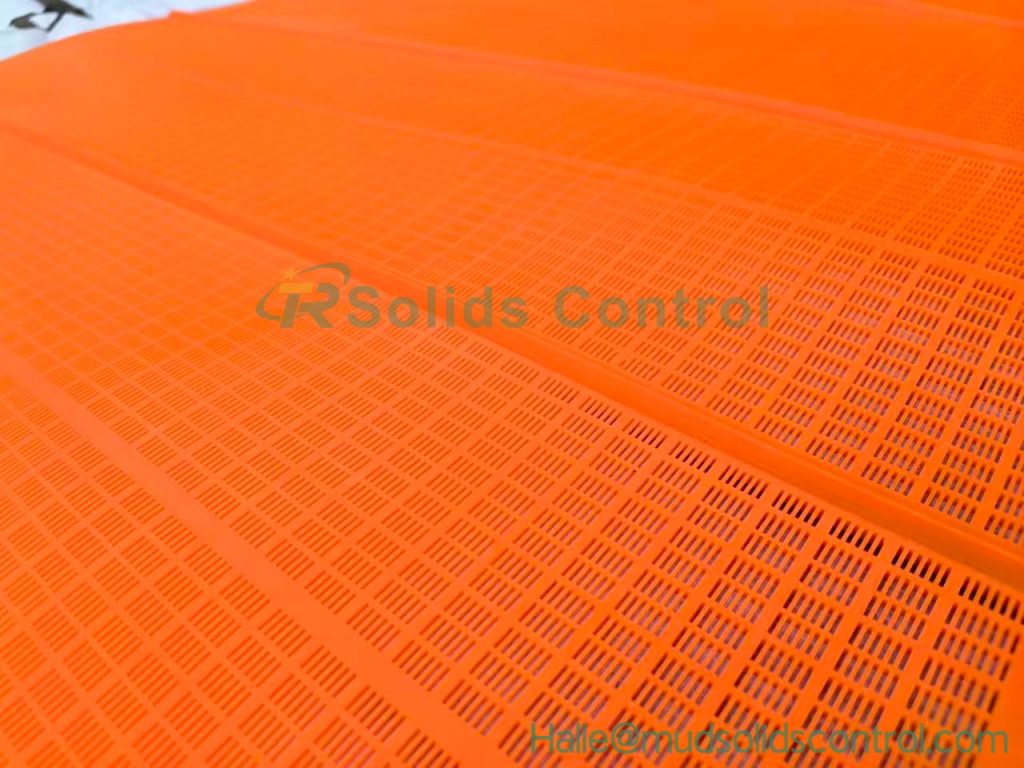
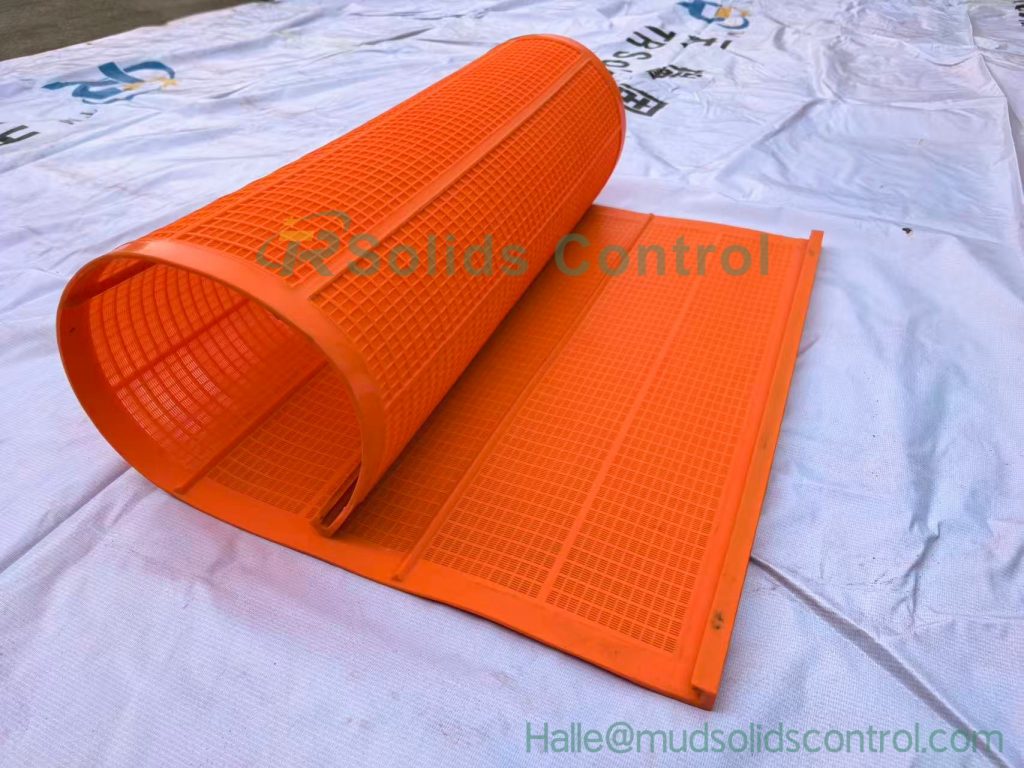
In addition to traditional stainless steel Shaker Screen, polyurethane Shale Shaker Screen is also a popular product in the market. It is made of high-quality urethane material, with support rods embedded on both sides to further reinforce structural stability. A typical representative of this type is the polyurethane Shaker Screen produced by M-I SWACO™, which is highly praised for its excellent wear resistance and adaptability to harsh working conditions.
Shale Shaker Screen: Appearance Variations and Customization Solutions
Due to the diversity of shale shaker models and application scenarios in the market, the appearance of Shaker Screen and Shale Shaker Screen presents rich variability. Different appearance designs are not only for aesthetic purposes but also to match specific shaker models and optimize screening performance, making Shaker Screen adaptable to various working conditions.
The surface design of Shale Shaker Screen varies by brand and model. For example, Derrick Corporation’s FLC500™ series Shaker Screen includes three types: PWP™, PMD™, and PMD+™, which are distinguished by flat and corrugated surface structures. The flat surface is suitable for scenarios requiring uniform screening, while the corrugated surface can increase the effective screening area and improve screening efficiency, providing targeted solutions for different customer needs.
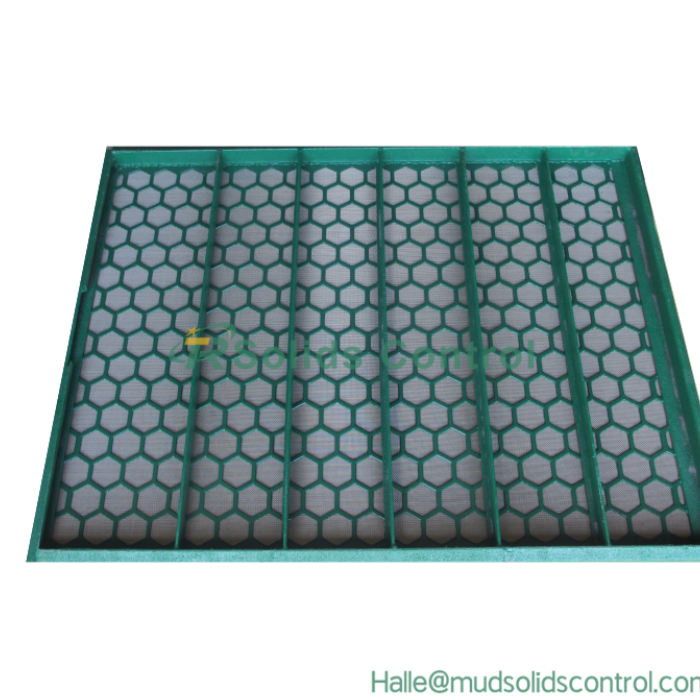
From the structural perspective of appearance, Shaker Screen can be divided into hook strap type and framed type. The hook strap type Shale Shaker Screen is equipped with soft or hard back support, which is easy to install and disassemble, and is widely used in small and medium-sized shale shakers. The framed type Shaker Screen has a more stable structure, can bear greater vibration load, and is suitable for large-scale shale shakers in high-intensity operations.
The hole shape on the supporting plate is another important appearance feature of Shale Shaker Screen. Common hole shapes include rectangles, triangles, hexagons, squares, etc. Each hole shape has unique performance advantages: rectangular holes have high throughput, triangular holes can prevent material blockage, hexagonal holes have uniform screening precision, and square holes are suitable for screening materials with regular particle sizes. Customers can choose the appropriate hole shape according to the characteristics of the screened materials.
Color customization is also a popular service for Shaker Screen. Currently, we provide Shale Shaker Screen in common colors such as green, blue, red, gray, and orange. At the same time, we can customize special colors according to customers’ brand image and usage environment, meeting the personalized aesthetic needs of customers.
With nearly 20 years of experience in the Shaker Screen industry, TR Solids Control deeply understand that customers have diverse personalized needs for Shale Shaker Screen. Therefore, we provide a comprehensive range of customization options, including perforated hole shape, appearance color, number of screen layers, and matching structures for different shaker models. This flexible customization service ensures that our Shaker Screen products can perfectly match various shale shaker models, adapt to different drilling environments, and provide customers with tailored solids control solutions.