Tag Archives: Shale shaker screen
ndustrial Shaker Screens for Heavy-Duty Applications
Shaker screens are the core components of shale shakers, directly determining the accuracy and efficiency of material classification, solid-liquid separation, and impurity filtration. In industrial applications including oil drilling fluid control, mining, sand and gravel purification, environmental protection wastewater treatment, chemical raw material processing, and coal separation, shaker screens achieve precise screening and rapid separation through high-frequency vibration, ensuring the stable and continuous operation of entire production lines. Screens of different materials and structures directly affect wear resistance, screening efficiency, service life, and overall operating costs, making them irreplaceable key parts in industrial screening systems.
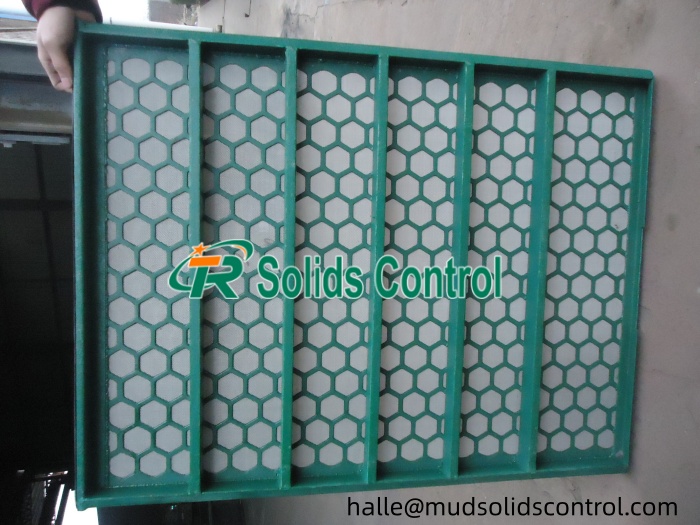
We produce shaker screens in a full range of mainstream materials to accurately suit various working conditions. Stainless steel screens offer strong corrosion resistance, uniform openings, and stable structure, widely used in oil drilling fluid control, chemical material screening, and neutral slurry filtration. Polyurethane screens feature outstanding wear resistance, tear resistance, and good self-cleaning performance, ideal for high-wear and high-impact operations such as mining, ore sorting, and coal processing. Rubber screens provide excellent cushioning and impact resistance, suitable for coarse screening of large materials and heavy-duty crushing screening processes. Composite screens combine the advantages of multiple materials with high strength and long service life, performing well in complex environments and high-precision classification tasks. In daily use, correct tensioning, uniform feeding, timely cleaning of blocked openings, and protection against material corrosion can significantly reduce screen damage, extend service life, and lower downtime and maintenance costs.
As a source manufacturer of shaker screens, we have independent R&D, large-scale production, and full-process quality control capabilities. We can recommend the most suitable screen material, structure, and specifications based on your actual needs, including material properties, operating environment, processing capacity, and screening accuracy. Whether you are engaged in drilling fluid control, mining separation, environmental solid-liquid separation, chemical, coal, sand and gravel processing, or other applications, we can provide matched specialized screen solutions. Direct supply from the factory eliminates all middlemen, allowing us to offer you the best price with stable and reliable quality. We support customized production and guarantee long-term stable supply, strongly supporting your production efficiency and cost control.
Why Screen Clogs and Wears Out Fast? Professional Manufacturer’s Guide to Root Cause Cost Reduction
Screens are essential core equipment in industrial production, mainly responsible for material classification, filtration, and impurity removal. They are widely used in various industrial scenarios. In practical applications, many enterprises face the problem of frequent screen clogging and rapid wear, which not only increases equipment replacement costs but also leads to production downtime and affects overall efficiency. In fact, these problems can be effectively solved by identifying the root causes and mastering scientific methods to reduce loss and control costs.
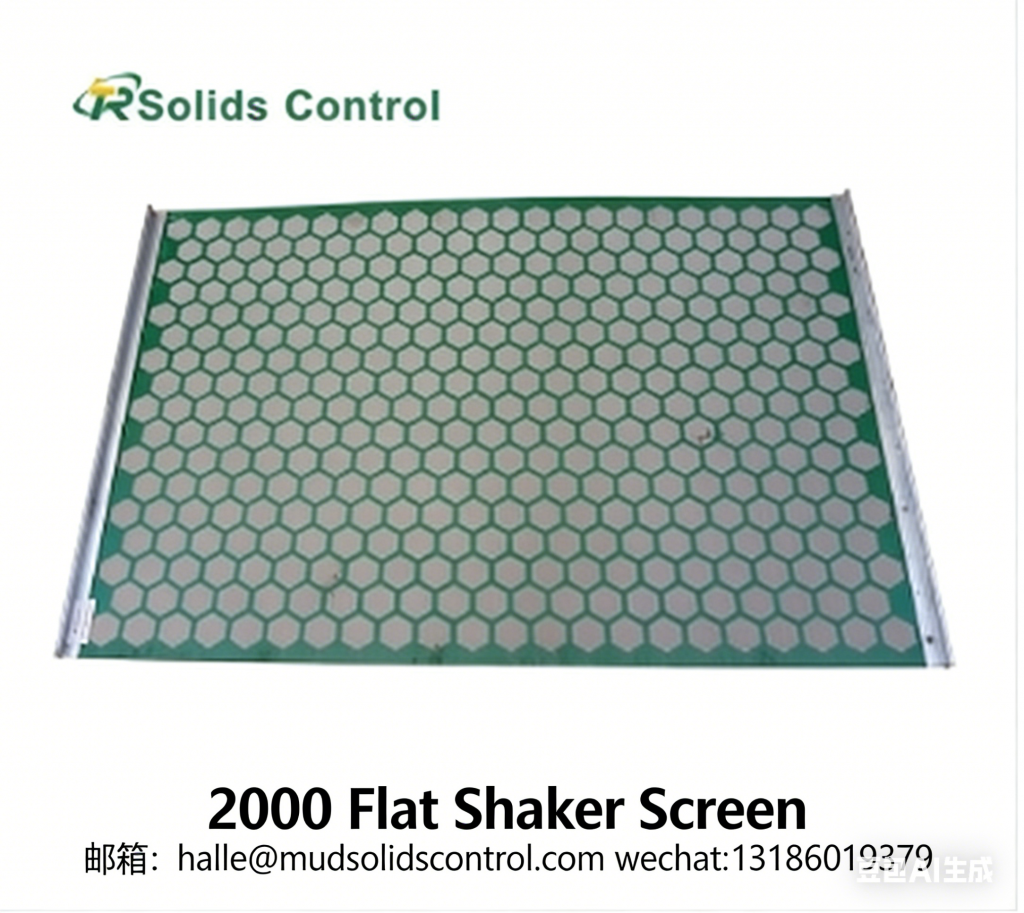
I. Core Causes of Frequent Screen Clogging and Wear
When encountering screen clogging and rapid wear, many enterprises tend to mistake it for poor screen quality. In reality, most issues stem from operational and selection oversights, mainly focusing on three aspects: first, improper selection. Failing to choose the appropriate screen type, aperture, and material based on material properties and working conditions; second, non-standard operations. Uneven feeding or failure to promptly handle clogged materials intensifies material friction and accelerates screen wear; third, inadequate maintenance. Failure to conduct regular inspections and cleanings allows minor wear to escalate, impacting normal screen use and creating a vicious cycle of replacement-damage-replacement.
II. Precisely Solving Clogging and Wear Issues to Reduce Usage Costs
II. Precisely Solving Clogging and Wear Issues to Reduce Usage Costs
Solving screen clogging and wear problems relies on precise control of each 环节. There is no need to blindly replace screens. Specific measures can be taken as follows:
- Precise selection is the foundation. It is necessary to combine material characteristics and production conditions to choose suitable screen materials and apertures, avoiding clogging and excessive wear caused by selection mismatches. For different material properties, select corresponding wear-resistant and anti-clogging screen types to ensure screen compatibility with working conditions and reduce clogging and wear at the source.
- Standard operations are key. Feeding should be maintained evenly to prevent excessive feeding caused by clogging. When screen clogging occurs, shut down and clean it promptly; forced operation must be avoided to prevent additional wear from sustained material friction. Meanwhile, operations must strictly comply with working condition requirements to prevent unnecessary loss caused by improper operations.
- Daily maintenance is crucial. Regularly inspect screens to identify and handle minor wear in a timely manner, preventing small issues from expanding. Reasonably reserve spare screens to reduce downtime. Additionally, there is no need to pursue low-cost screens. Although high-quality screens have a slightly higher initial investment, they have a longer service life, resulting in lower overall costs and higher cost-effectiveness.
- Professional screen manufacturers can provide customized selection suggestions based on specific production conditions to help enterprises precisely match screen types, further reduce usage costs, improve production efficiency, and avoid unnecessary losses.
High-Performance Polyurethane Shaker Screen: The Ultimate Choice for Shale Shaker Screen Applications
In solid-liquid separation and particle classification, Shaker Screen quality directly determines system efficiency—especially for Shale Shaker Screen in oil and gas drilling, mining, and other heavy-duty industries. As a revolutionary upgrade to traditional steel screens, polyurethane Shaker Screen is favored by enterprises pursuing high efficiency, low consumption, and long service life, thanks to its outstanding performance and professional design.
Designed for harsh environments, polyurethane Shale Shaker Screen offers advantages traditional screens lack, excelling in all Shaker Screen applications. Its excellent abrasion resistance, from polyurethane’s unique molecular structure, far outlasts steel or rubber screens. In high-intensity operations like ore processing and drilling waste treatment, it resists material friction, cutting screen replacement frequency and enterprise costs.
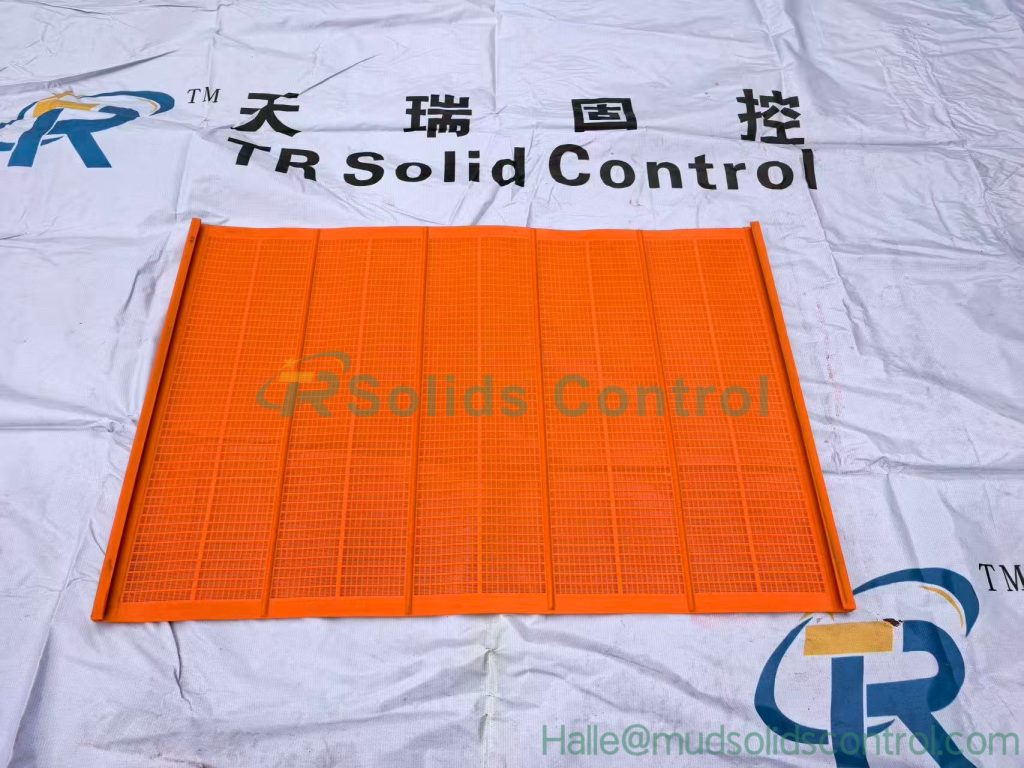
Maintenance and downtime hinder efficiency, but polyurethane Shaker Screen solves this. Its heavy-duty structure ensures durability under normal use, requiring minimal maintenance. This saves enterprises time and labor on inspection and replacement, keeping screening continuous and boosting overall efficiency.
Good water and oil resistance is critical for Shale Shaker Screen in oil and gas drilling. It maintains stable performance in water or oil-containing operations without corrosion. Oil also reduces friction between materials and the Shaker Screen surface, preventing moist particle adhesion, blockage, and abrasion while improving efficiency.
Safety and environmental protection are key for modern enterprises choosing Shaker Screen, and polyurethane Shale Shaker Screen delivers. It is highly corrosion-resistant, resisting chemical media, and nonflammable, non-toxic, and tasteless. It releases no harmful substances, ensuring a safe workplace and aligning with green production.
Screen blockage, a major efficiency issue, is resolved by polyurethane Shaker Screen’s professional mesh design and advanced manufacturing. Even for limited particle sizes, its structure prevents blockage.
Additionally, polyurethane absorbs vibration and sound, reducing noise; oversize surface materials stay intact during operation, ensuring screening accuracy.
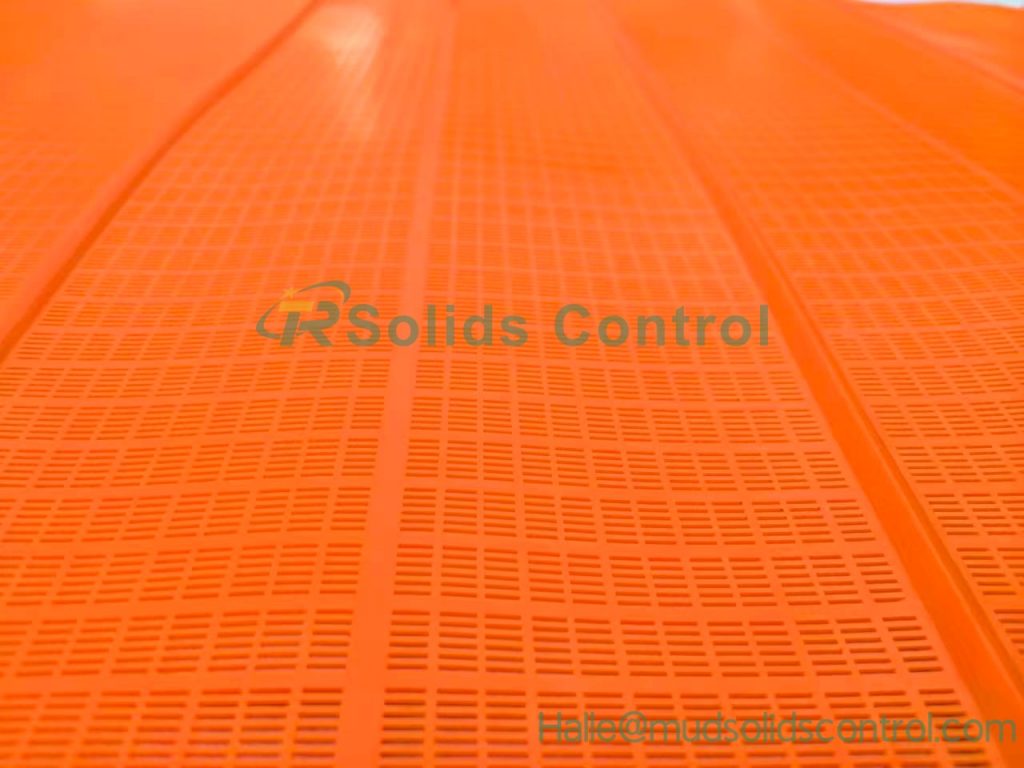
The unique “second vibration” of polyurethane Shale Shaker Screen enhances performance. During shale shaker operation, its elasticity generates secondary vibration for self-cleaning, removing mesh-attached materials promptly to maintain high efficiency and stable long-term performance.
Energy saving is an industrial priority, and polyurethane Shaker Screen excels here. Far lighter than same-size steel screens, it cuts transportation/installation costs and reduces vibration machine load, lowering power consumption, equipment wear, and extending the entire screening system’s service life for greater economic benefits.
In summary, polyurethane Shaker Screen is indispensable in screening systems—especially Shale Shaker Screen for oil and gas drilling and mining. Its advantages of long service life, low maintenance, strong adaptability, high efficiency, safety, and energy saving surpass traditional screens. Choosing the right polyurethane Shale Shaker Screen boosts efficiency, cuts costs, and enhances system stability, supporting enterprise development in fierce competition.
Frequently Asked Questions About Mining Shale Shaker Screen
In mining, Shale Shaker Screen are essential for material processing, ensuring smooth production and quality. Below are common questions and answers to help you use them better.
1. What is the main goal of using Shaker Screen in mining?
The core goal of Shaker Screen is to separate materials by size and quality. A high-performance Shaker Screen sorts qualified materials for subsequent steps, keeping production smooth and products high-quality. Shale Shaker Screen excels at sorting high-viscosity or fine particles.
2. How often should you check your Shale Shaker Screen equipment?
Check your Shale Shaker Screen daily. Inspect for screen damage, clean dust and residues, and ensure normal operation. Daily checks detect potential issues early, avoiding major failures and reducing downtime.
3. Which type of Shaker Screen works best for sticky materials?
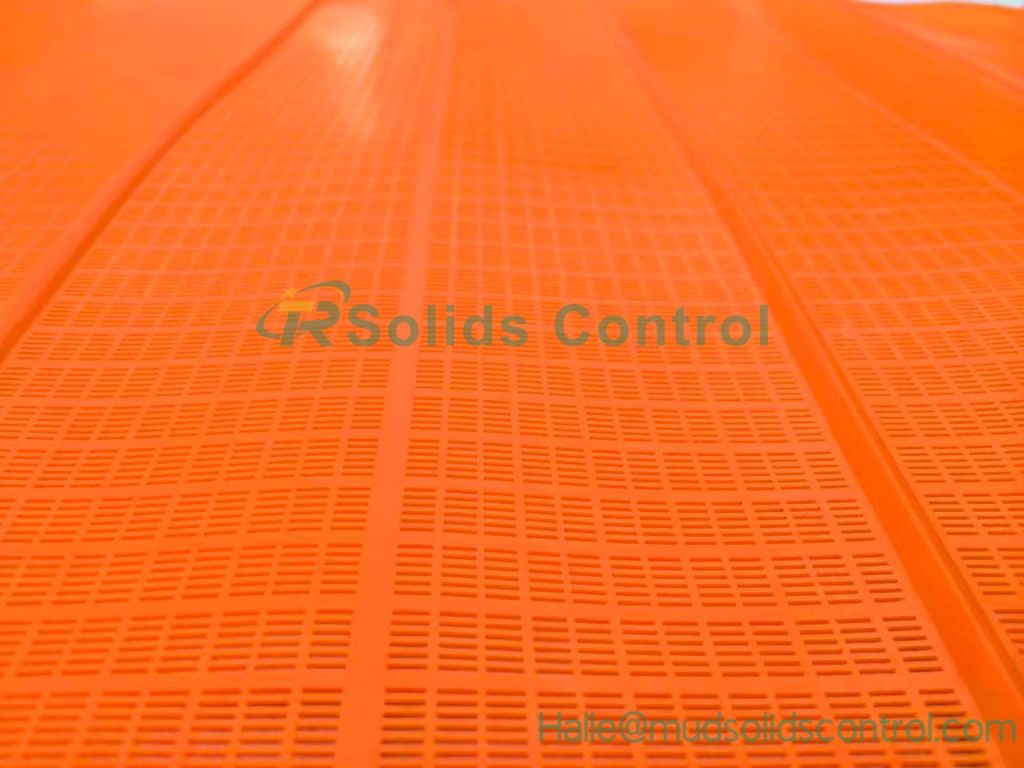
For sticky materials, PU-mesh and self-cleaning Shaker Screen are optimal. They resist clogging, wear better, and last longer, reducing cleaning time and boosting efficiency.
4. Can using Shaker Screen help mines save money?
Yes! Shaker Screen remove waste early, cutting subsequent energy consumption and equipment wear. Rational use lowers overall costs and increases mine profits.
5. What causes Shale Shaker Screen to wear out fast?
Rapid wear stems from long-term heavy loads, insufficient screen tension, and uneven feeding. To extend service life, use high-strength materials, check and adjust tension regularly, and ensure uniform feeding.
6. How do you pick the right screen media for Shaker Screen ?
Choose screen media based on material type, required size, and wet/dry process. Clarify priorities to select the best option for better results.
7. Does using Shaker Screen improve mining safety?
Absolutely! Advanced Shaker Screen have intelligent sensors to detect hazards early, protecting workers and preventing accidents—critical for mining safety.
8. Why should you upgrade your Shale Shaker Screen equipment?
Upgrading Shale Shaker Screen boosts efficiency, extends service life, reduces downtime, and eases maintenance. It helps mines adapt to changing needs and maintain stability.
In summary, Shale Shaker Screen are indispensable in mining. Correct use, regular maintenance, and proper screen media selection maximize their value, cutting costs, boosting efficiency, and ensuring safety.
Common Issues and Solutions for Shale Shaker Screen in Mining Operations
In mining operations, Shale Shaker Screen are essential for material separation but often suffer from clogging and wear and tear, which slow down work, reduce material quality, and cut efficiency. Understanding their causes and solutions ensures stable operation of Shale Shaker Screen.
Clogging Issues of Shale Shaker Screen
Clogging is a common problem for both Shaker Screen , impairing their separation function. Main causes include:
- excessive water making particles clump;
- sticky/charged particles adhering to the screen;
- lightweight/irregular particles piling up;
- particles close to mesh size jamming holes;
- thick-wire screens with little open space;
- lack of cleaning tools; and loose screen edges.
Solutions to prevent clogging:
- dry materials beforehand;
- crush large lumps;
- use ground wires to eliminate static;
- install cleaning tools like bouncing balls or ultrasonic cleaners;
- adopt anti-blocking mesh and adjust airflow;
- control feeding speed and screen angle;
- and add flow-aiding agents such as talcum powder.
A useful tip: self-cleaning Shaker Screen and ultrasonic Shale Shaker Screen reduce clogging and save time.
Wear and Tear of Shale Shaker Screen
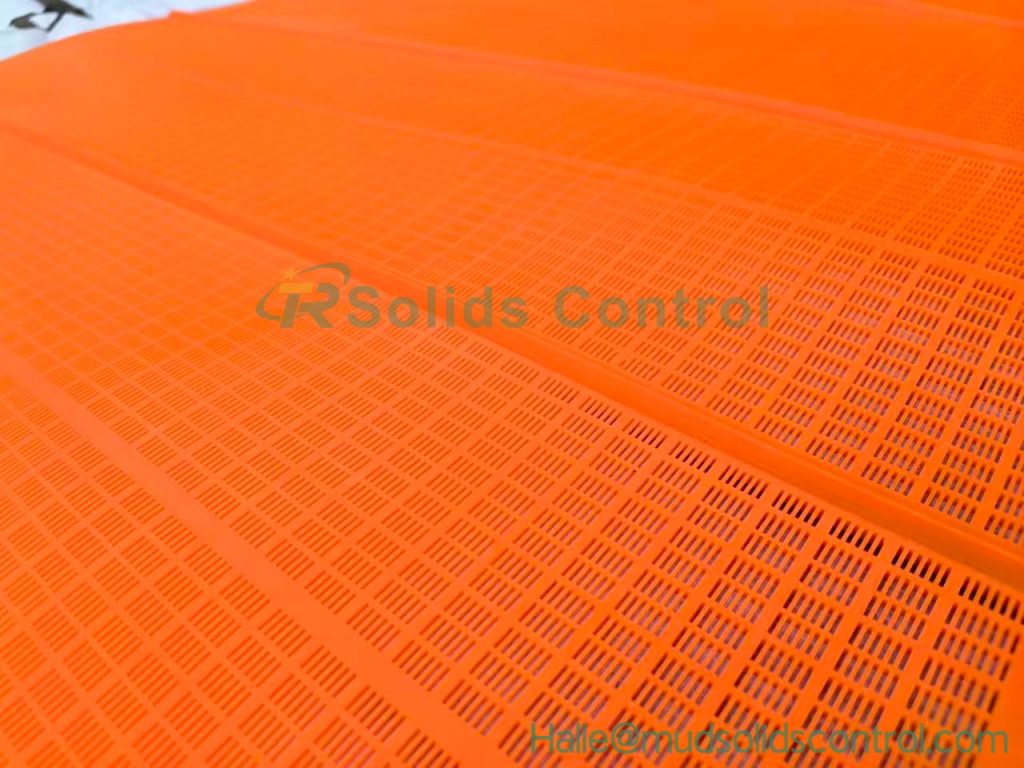
Shale Shaker Screen work under harsh mining conditions, leading to inevitable wear and tear that shortens service life and causes downtime. Key causes are poor screen quality , insufficient screen tension , and excessive/uneven feeding .
To extend their service life:
- choose high-quality screen media ;
- maintain proper screen tension;
- feed materials evenly;
- inspect and repair minor damage promptly.
Note: High-quality Shaker Screen media reduce breakdowns and downtime long-term.
In short, addressing clogging and wear and tear with the above methods helps improve the efficiency and service life of Shale Shaker Screen, cutting operational costs for mining enterprises.
Shale Shaker Screen Material Selection and Structural Components
The material system of a Shaker Screen is a key factor determining its performance, covering not only the core screen cloth but also supporting plates, frames, rubber strips, and other auxiliary parts. For a high-performance Shale Shaker Screen, scientific material selection for each component is essential to meet the harsh requirements of drilling solids control operations. To fully grasp the material characteristics of Shaker Screen, it is necessary to first understand the basic structure of a Shale Shaker Screen panel.
StandardShaker Screen panel consists of three core components: screen cloth , supporting plate/frame, and rubber strips installed under the tubes. Among them, the screen cloth is the core functional part of the Shale Shaker Screen. It is usually made of high-quality 304~316L stainless steel, which provides excellent rust resistance and durability, ensuring stable screening effect in wet and corrosive environments. According to customers’ budget and actual application scenarios, different grades of stainless steel wire mesh can be customized for the Shaker Screen, achieving a balance between performance and cost.
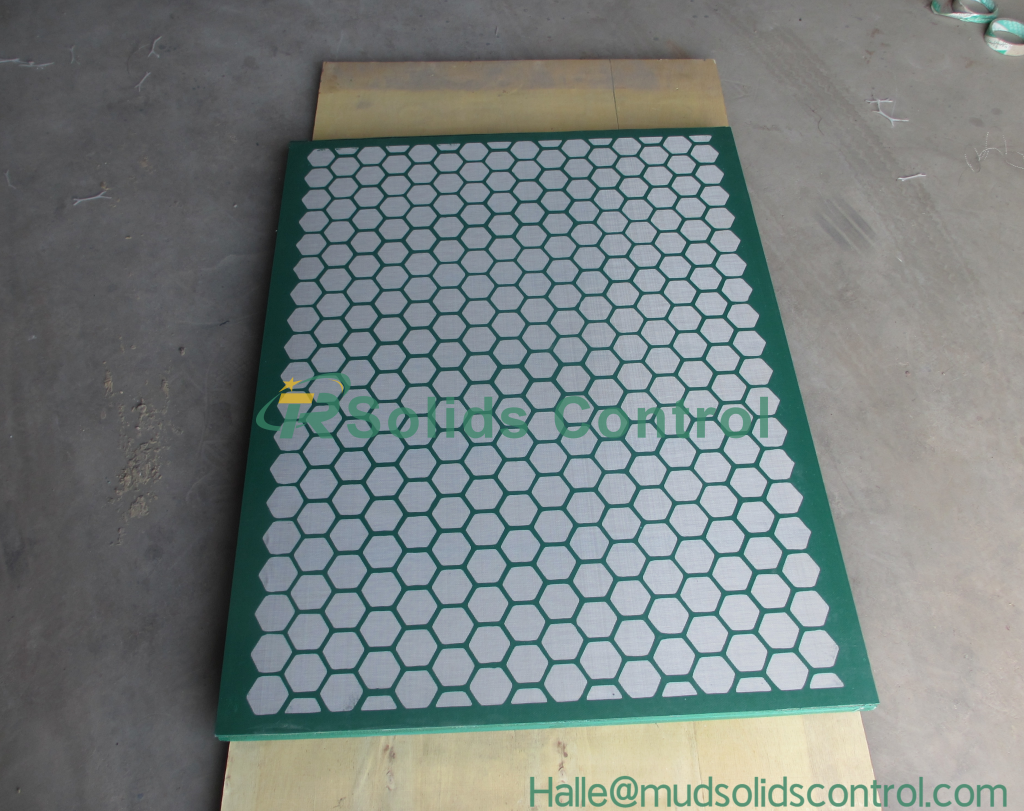
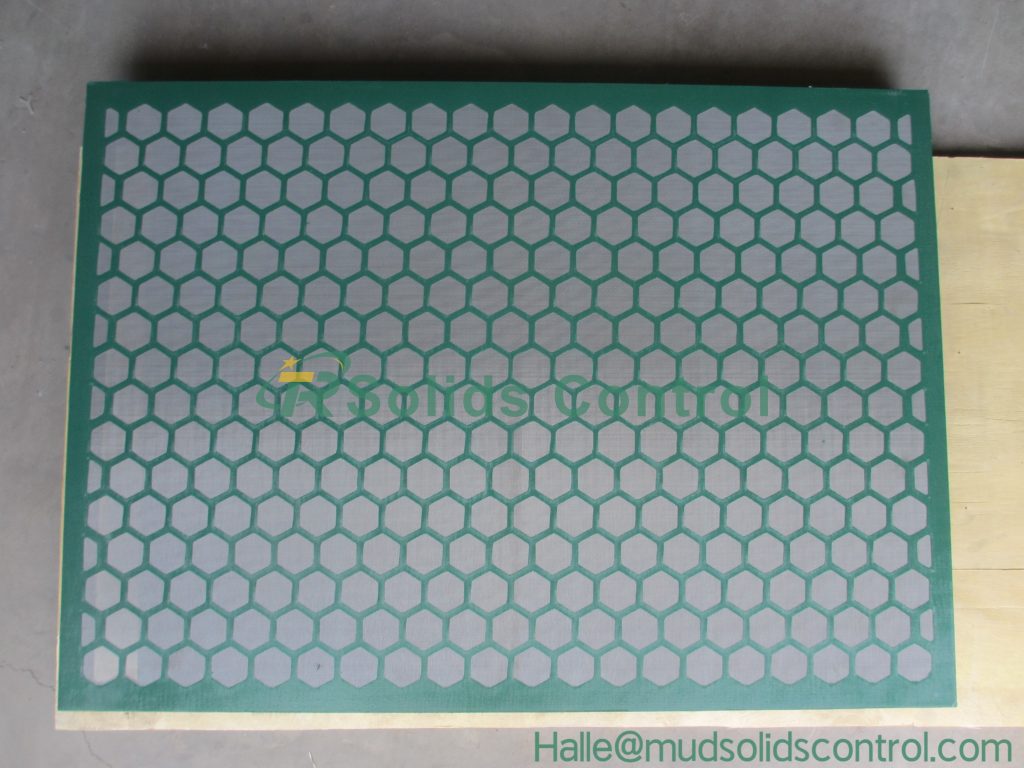
The supporting plate that carries the screen cloth layers is mainly made of cold-rolled carbon steel plate with a thickness of 1.5~2mm, which has good structural strength and cost-effectiveness. Only a small number of customers with special requirements will choose stainless steel plates for their Shale Shaker Screen. These supporting plates need to be processed with punched holes of various shapes, such as rectangles, squares, triangles, hexagons, etc. In some complex applications, a single Shaker Screen can even adopt mixed hole shapes. For example, well-known brands like NOV Brandt®, VSM®, and Venom® use triangular holes of different sizes on their Shale Shaker Screen products to improve screening efficiency and throughput.
The frame structure of Shaker Screen varies according to product type. For steel-framed Shale Shaker Screen, the frame is formed by welding square steel tubes and supporting plates, which has strong load-bearing capacity and stability. For composite-framed Shaker Screen, square steel tubes are first welded into a stable skeleton, and then embedded into composite materials through injection molding. This composite structure not only maintains the structural strength of the Shale Shaker Screen but also enhances its durability and shock resistance, extending the service life.
In addition to traditional stainless steel Shaker Screen, polyurethane Shale Shaker Screen is also a popular product in the market. It is made of high-quality urethane material, with support rods embedded on both sides to further reinforce structural stability. A typical representative of this type is the polyurethane Shaker Screen produced by M-I SWACO™, which is highly praised for its excellent wear resistance and adaptability to harsh working conditions.
Key Factors for Selecting High-Quality Shaker Screens: Shale Shaker Screen & Derrick Shaker Screen
In the oil and gas drilling industry, efficient solids control is the cornerstone of smooth operations, and the Shaker Screen serves as its core component. Among the diverse options, the Shale Shaker Screen is specialized for harsh drilling environments, while the Derrick Shaker Screen is celebrated for its superior performance and equipment compatibility. Selecting the right screen requires meticulous consideration of multiple factors to avoid operational disruptions and optimize cost-effectiveness.
Material and Durability: The Foundation of Reliable Screens
Drilling sites expose screens to abrasive solids and corrosive drilling fluids, making material quality a decisive factor for longevity. Stainless steel has become the preferred material for both Shale Shaker Screens and Derrick Shaker Screens, as it delivers exceptional resistance to wear, tear, and corrosion. This durability extends the screen’s service life, reducing the frequency of replacements and minimizing downtime—critical for maintaining continuous drilling operations. Inferior materials, by contrast, lead to frequent failures, increasing operational costs and disrupting workflows.
Compatibility: Ensuring Seamless Integration with Equipment
Compatibility is non-negotiable when selecting a Shaker Screen, as mismatched screens can compromise performance and damage equipment. Derrick Shaker Screens, for example, are precision-engineered to fit specific Derrick shale shaker models, requiring strict alignment in size and configuration. Using incompatible screens not only reduces separation efficiency but also imposes unnecessary stress on the shale shaker, leading to premature equipment wear. Operators must verify that the selected Shaker Screen—whether a Shale Shaker Screen or a Derrick Shaker Screen—matches the exact specifications of their existing equipment.
Supplier Reputation and Cost-Availability Balance
Partnering with reputable suppliers is essential for securing high-quality Shaker Screens. Trusted suppliers consistently deliver reliable Shale Shaker Screens and Derrick Shaker Screens, backed by responsive after-sales support and transparent quality guarantees. Conducting thorough research, checking industry reviews, and seeking peer recommendations help identify suppliers with a proven track record in the drilling sector.Balancing cost and quality is another key consideration. Opting for the cheapest Shaker Screen may seem economical initially, but inferior products result in frequent replacements and increased downtime. Instead, compare prices across reputable suppliers to find a screen that fits the budget without sacrificing durability. Additionally, prioritize suppliers with stable inventory to ensure timely access to replacement Shale Shaker Screens or Derrick Shaker Screens, avoiding project delays.
Conclusion
Selecting the right Shaker Screen—whether a Shale Shaker Screen or a Derrick Shaker Screen—relies on prioritizing material durability, equipment compatibility, supplier reliability, and cost-effectiveness. By focusing on these core factors, drilling operators can minimize disruptions, extend screen service life, and lay a solid foundation for efficient solids control.
Shale Shaker Screen Mesh Size Selection
The shale shaker screen is a cornerstone of solids control in drilling operations, with its mesh size directly dictating solid-liquid separation efficiency, drilling fluid quality, and overall costs. Selecting the right mesh size is not one-size-fits-all; it requires systematic analysis of separation goals, flow rates, fluid properties, and geological conditions. This guide condenses key considerations for optimal mesh size selection.
1. Mesh Size Fundamentals
Mesh size refers to the number of openings per linear inch—higher numbers mean finer openings for small particles, while lower numbers (coarser mesh) enable faster fluid flow but only retain larger cuttings. For instance, a 100-mesh screen captures fine particles, while a 40-mesh screen handles larger, angular cuttings. This relationship underpins all selections, as every choice must balance solid removal efficiency and operational continuity.
2. Balance Separation Efficiency and Flow Rate
The core trade-off in mesh selection is between solid removal effectiveness and fluid flow rate. Finer meshes (80–150 mesh) excel at removing tiny solids to preserve fluid integrity but are prone to clogging, reducing flow rates and causing non-productive time from screen maintenance. Coarser meshes (20–60 mesh) boost flow rates and minimize clogging but allow fine particles to accumulate downstream, increasing fluid viscosity, damaging equipment, and risking well instability.Prioritize based on project needs: finer meshes for fluid-critical operations (e.g., horizontal drilling) and coarser meshes for shallow, fast-drilling tasks.
3. Align with Drilling Fluid Properties
Drilling fluids depend on stable viscosity, density, and lubrication for safe drilling, and mesh size controls solids buildup that disrupts these properties. Proper sizing prevents excessive solids from thickening fluid or altering density, reducing maintenance costs (e.g., chemical additions, fresh fluid replacement) and wellbore instability risks. For water-based fluids, mesh selection is尤为 critical to mitigate interactions with formation clays that degrade fluid quality.
4. Adapt to Geological Formations
Formation characteristics dictate cutting size, shape, and composition, requiring tailored mesh sizes. Hard formations (e.g., sandstone) produce large, angular cuttings, so coarser meshes are ideal to avoid clogging and maintain flow. Soft formations (e.g., shale) generate fine cuttings, demanding finer meshes for effective separation. Conduct pre-drilling particle size analysis to identify dominant cutting sizes and optimize mesh choice.High-clay formations pose unique challenges: clays swell in water-based fluids, blinding screens. Balance mesh fineness with anti-swelling additives or coated screens to remove clay particles without exacerbating clogging.
5. Optimize Long-Term Performance and Costs
The right mesh size drives long-term efficiency by maximizing fluid recovery and reducing equipment wear. It retains valuable fluids while removing solids, cutting replacement costs and waste for environmental compliance. Additionally, capturing fine solids prevents abrasive wear on downstream pumps and valves, extending equipment lifespan and minimizing unplanned downtime.
6. Adjust to Changing Conditions
Formations and cutting characteristics shift with depth, so modern shale shakers enable quick screen changes. Continuously monitor fluid clarity, screen clogging, and equipment condition to adapt mesh size in real time—e.g., switch to a finer mesh when transitioning from hard sandstone to soft shale.
Conclusion
Optimal mesh size selection demands a holistic approach integrating fundamentals, flow-separation balance, fluid properties, and geology. By understanding trade-offs and adapting to real-time conditions, operators enhance efficiency, preserve fluid quality, cut costs, and ensure smooth drilling. There is no universal “best” mesh size—only the right fit for specific project conditions.
Production Procedures and Performance Advantages of Petroleum Shale Shaker Screens
The production of petroleum shale shaker screens involves a series of precise processes to ensure their stability and screening performance. The standard production process for flat and wave shale shaker screens is as follows: first, punching the base steel plate to form the supporting structure; then shearing the steel plate to the required size; conducting sandblasting treatment to enhance the surface adhesion of the steel plate; cutting the screen mesh into matching dimensions; bonding the screen mesh with the steel plate (for wave-type screens, an additional step is required: dipping 2-3 layers of screen mesh together, pressing them into a wavy drum shape, and then bonding with the steel plate); manufacturing side hooks for installation; and finally performing edge wrapping to complete the product.
The production process of composite shale shaker screens is relatively simplified, mainly including: cutting the screen mesh into specified sizes, bonding two layers of mesh to enhance screening strength, processing hook edges for assembly, and final packaging and inspection.
Advantages of Different Types of Shale Shaker Screens :
Each type of petroleum shale shaker screen has unique advantages tailored to different drilling scenarios and requirements.
Flat shale shaker screens are favored for their cost-effectiveness, featuring low production costs and reduced freight expenses due to their flat structure. Moreover, when the mesh surface is damaged during use, it is easy to repair—relevant manufacturers even provide special mesh repair patches to extend the service life of the screen and reduce replacement costs.
Wave shale shaker screens stand out with their larger effective screening area compared to flat screens. The wavy design increases the contact area between the mud and the screen mesh during vibration, which can improve screening efficiency and handle higher mud flow rates, making them suitable for large-scale drilling operations with high impurity content.
Frame-type shale shaker screens, regardless of being injection-molded, steel-framed or aluminum-framed, offer convenient installation. Their standardized frame structure allows for quick assembly and disassembly on the shale shaker, saving maintenance time. Additionally, if the mesh surface is damaged, the frame structure facilitates targeted repair or partial replacement, further reducing downtime and maintenance costs. Among them, steel frame screens have high structural strength, aluminum frame screens are lightweight, and injection-molded frame screens have good corrosion resistance, catering to different working conditions.
Structural and Performance Analysis of Composite & Framed Steel Shaker Screens
The drilling mud shale shaker is a key piece of equipment in the solids control system, and the screen, as its core filtering component, directly affects the screening efficiency and service life. Currently, the commonly used screens mainly fall into two categories: composite screens and framed steel screens. Each type has distinct structural and performance characteristics, which can meet the screening requirements under different working conditions.
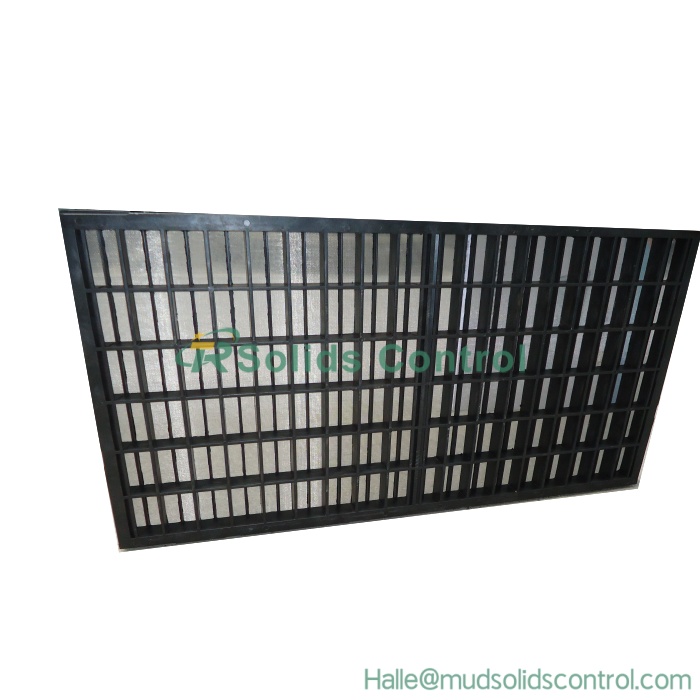
1.Composite ScreenThe composite screen adopts a multi-layer composite structure, usually composed of stainless steel wire mesh, plastic flat mesh, galvanized sheet and other materials. Its common specification is 1165×585mm, with a mesh size ranging from 20 to 320, which can be selected according to separation requirements. This type of screen boasts multiple advantages: long service life, high screening precision, low operating cost, and easy installation and disassembly. Its open design ensures a large liquid throughput, while delivering remarkable sand (residue) discharge performance and stable long-term operation. It is an ideal matching screen for mud shale shakers, desanders, desilters and other equipment.
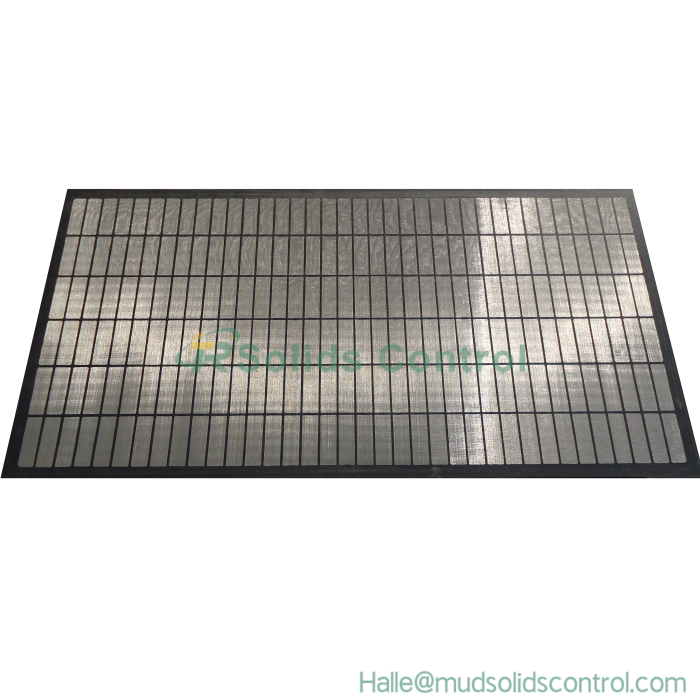
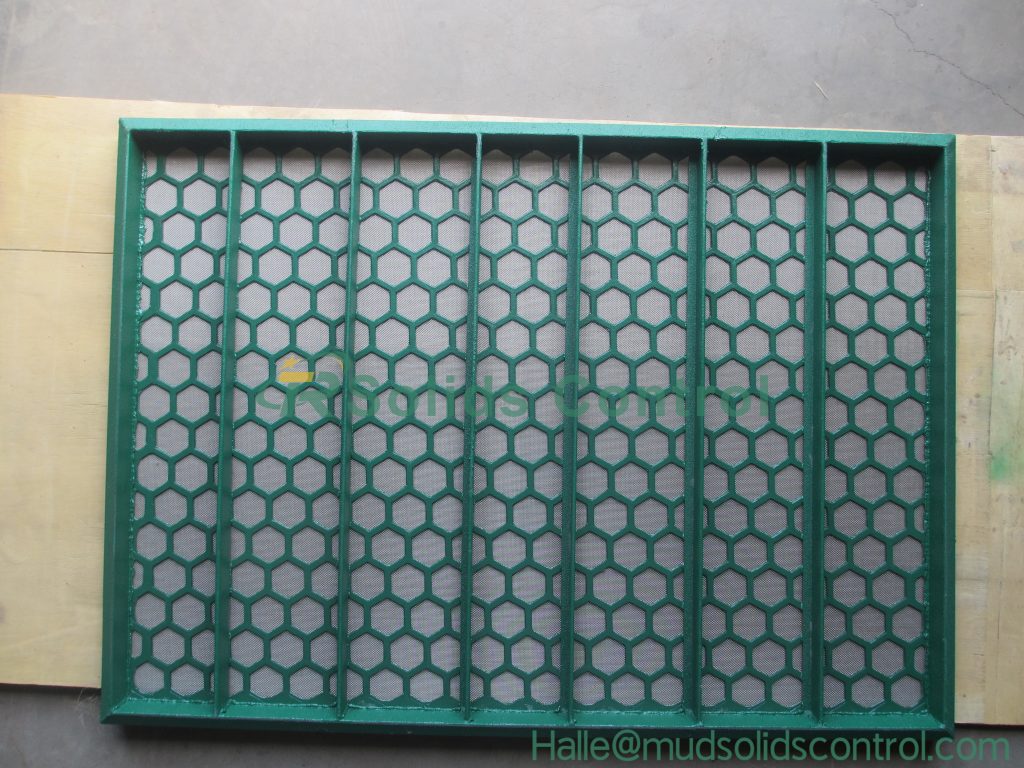
2.Framed Steel ScreenThe framed steel screen is mainly composed of 2–3 layers of stainless steel wire mesh with different mesh sizes, tightly combined with a high-strength steel frame. The frame is usually welded from square steel pipes or flat steel, with multiple reinforcing ribs inside, which greatly improves the overall load-bearing capacity. The wire mesh and the frame are fixed by metal adhesive bonding or direct compression, with proper tension, forming a robust and durable screening surface. The mesh sizes of the multi-layer wire mesh are scientifically proportioned to achieve more precise classification and screening. In addition, the screen surface is usually divided into multiple independent areas, which effectively prevents the expansion of local damage. Special rubber plugs are equipped for quick repair, which not only saves downtime but also reduces operating costs.

As a professional manufacturer of drilling solids control equipment, TR Solids Control not only designs and produces conventional solids control equipment, such as shale shakers, desilters, centrifuges, agitators and mud tanks, but also provides a comprehensive supply of matching accessories. The product range covers various specifications of shale shaker screens and vibration motors, desander and desilter hydrocyclones, centrifuge bowls and scrolls, mud tank bottom valves and various types of washing guns, etc. The company is committed to providing customers with one-stop solids control solutions, ensuring the continuous and efficient operation of equipment, and helping drilling operations improve efficiency and reduce costs.
Through continuous innovation and optimization, TR Solids Control continues to provide reliable and durable screening products and professional support for oil and gas drilling, environmental protection engineering and other fields.