


Common Issues and Solutions for Shale Shaker Screen in Mining Operations
In mining operations, Shale Shaker Screen are essential for material separation but often suffer from clogging and wear and tear, which slow down work, reduce material quality, and cut efficiency. Understanding their causes and solutions ensures stable operation of Shale Shaker Screen.
Clogging Issues of Shale Shaker Screen
Clogging is a common problem for both Shaker Screen , impairing their separation function. Main causes include:
- excessive water making particles clump;
- sticky/charged particles adhering to the screen;
- lightweight/irregular particles piling up;
- particles close to mesh size jamming holes;
- thick-wire screens with little open space;
- lack of cleaning tools; and loose screen edges.
Solutions to prevent clogging:
- dry materials beforehand;
- crush large lumps;
- use ground wires to eliminate static;
- install cleaning tools like bouncing balls or ultrasonic cleaners;
- adopt anti-blocking mesh and adjust airflow;
- control feeding speed and screen angle;
- and add flow-aiding agents such as talcum powder.
A useful tip: self-cleaning Shaker Screen and ultrasonic Shale Shaker Screen reduce clogging and save time.
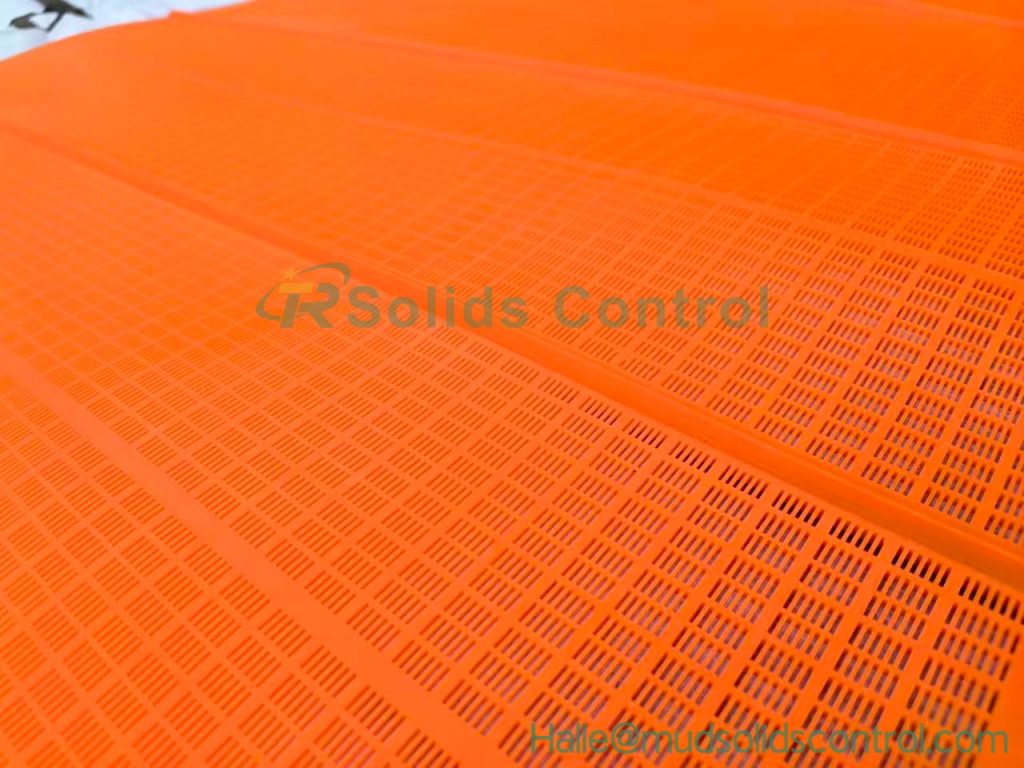
Wear and Tear of Shale Shaker Screen
Shale Shaker Screen work under harsh mining conditions, leading to inevitable wear and tear that shortens service life and causes downtime. Key causes are poor screen quality , insufficient screen tension , and excessive/uneven feeding .
To extend their service life:
- choose high-quality screen media ;
- maintain proper screen tension;
- feed materials evenly;
- inspect and repair minor damage promptly.
Note: High-quality Shaker Screen media reduce breakdowns and downtime long-term.
In short, addressing clogging and wear and tear with the above methods helps improve the efficiency and service life of Shale Shaker Screen, cutting operational costs for mining enterprises.
Leave a Reply