


Petroleum Shale Shaker Screen: Applications And Classification
The petroleum shale shaker screen is a core component of mud purification equipment (specifically mud shale shakers) widely used in oilfield drilling operations. Its primary function is to separate rock cuttings, sediment and other solid impurities generated during the drilling process from the drilling mud through the high-frequency vibration of the shale shaker. This separation is crucial for realizing the recycling and reuse of drilling mud, which not only reduces the cost of mud preparation but also helps maintain stable drilling efficiency and protect the drilling environment.
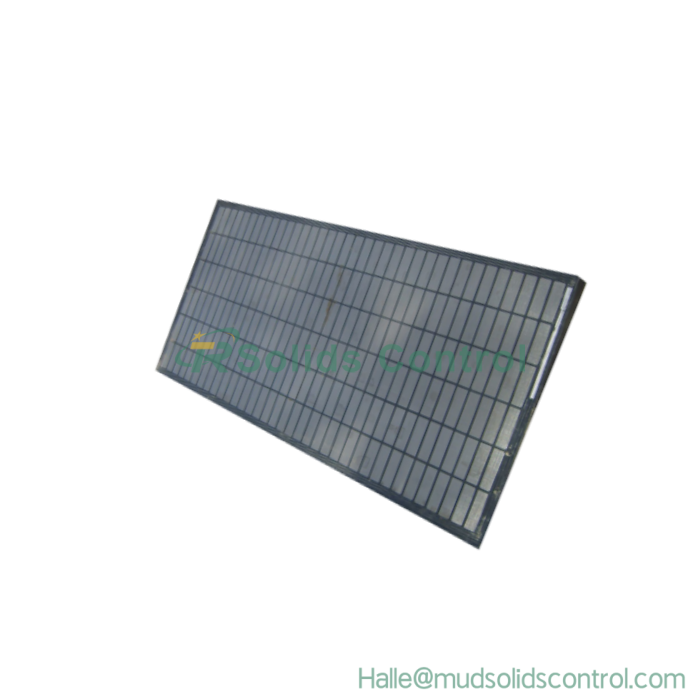
Drilling mud, according to its base fluid type, is mainly divided into water-based mud and oil-based mud. Due to the different physical and chemical properties of the two types of mud, the service life of the shale shaker screen varies significantly in their respective applications. Generally speaking, the service life of the screen in oil-based mud is shorter than that in water-based mud, which is mainly caused by the stronger corrosiveness and viscosity of oil-based mud, leading to faster wear and tear of the screen mesh.
Classification of Petroleum Shale Shaker Screens:
Petroleum shale shaker screens can be classified into different categories based on their structural characteristics. From the perspective of mesh shape and structural design, they are roughly divided into three main types: flat shale shaker screens, wave shale shaker screens, and composite shale shaker screens (also known as hook-edge soft shale shaker screens). In addition, according to the frame structure, shale shaker screens can also be categorized as frame-type shale shaker screens, which further include injection-molded frame screens, steel frame screens, and aluminum frame screens.
Leave a Reply