Category Archives: shale shaker
Analyzing Screen Material Characteristics and Their Impact on Shale Shaker Operating Efficiency
The selection of shaker screen materials directly determines the operational stability, separation efficiency, and service life of the shale shaker, and is one of the core links in optimizing the drilling solid control system. Drilling operations under different working conditions have significantly different requirements for the wear resistance, corrosion resistance, and fatigue resistance of screen materials. Reasonable material selection can not only improve the durability of the screen itself, but also reduce the frequency of shutdowns for replacement and lower overall operating costs. For drilling practitioners, mastering the characteristics and applicable scenarios of various screen materials is a key prerequisite for achieving efficient operation of the shale shaker and ensuring the smooth progress of the drilling process.
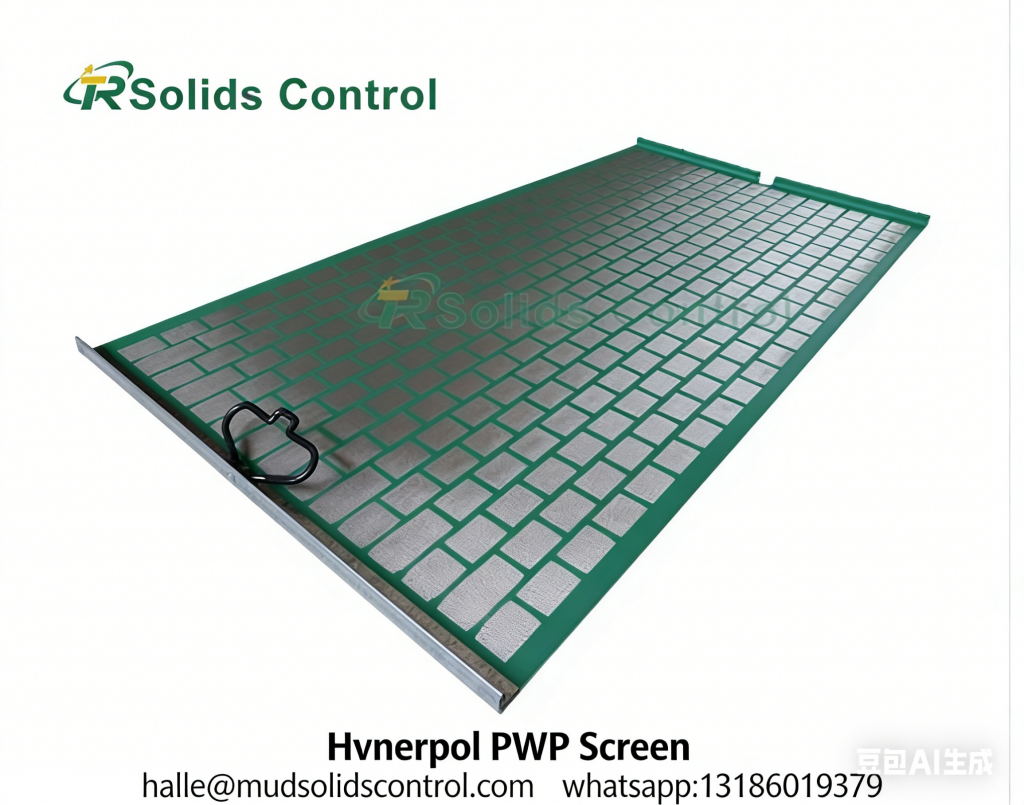
Characteristics and Applicable Scenarios of Mainstream Screen Materials
At present, the commonly used shaker screen materials in the industrial drilling field are mainly divided into three categories. Each type of material has different compositions and characteristics, and is suitable for different working conditions. Stainless steel materials (mainly models 304 and 316) are the most widely used type. With high chromium content, they have excellent corrosion resistance and rust resistance, and sufficient mechanical strength to withstand fatigue loss caused by the high-frequency vibration of the shale shaker. They are suitable for conventional oilfield drilling and operating scenarios with moderately corrosive drilling fluids, and are convenient to maintain and have a long service life.
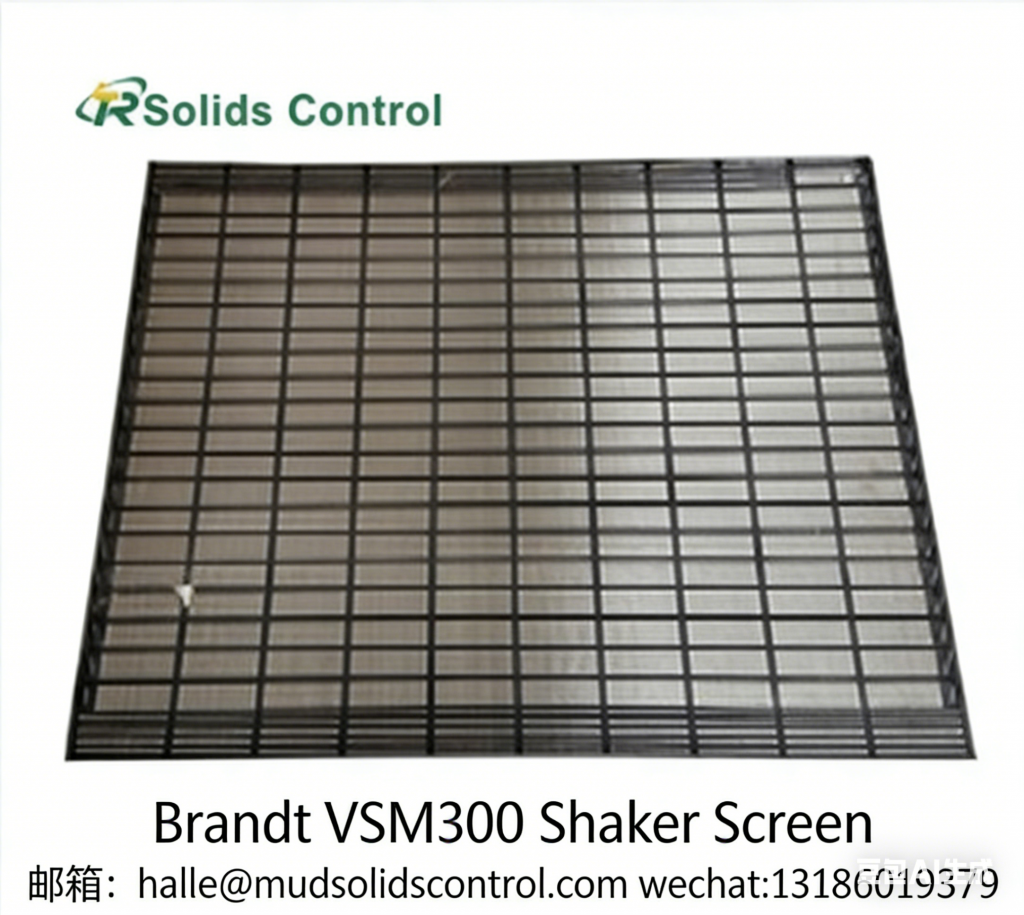
Polyurethane composite material screens are special materials developed for complex working conditions. Composed of a polyurethane coating and metal mesh wires, they combine the wear resistance and impact resistance of polyurethane with the rigid support advantages of metal. Such screens can effectively resist the severe friction of drill cuttings, and at the same time have good corrosion resistance to acid-base drilling fluids. They are suitable for extreme drilling environments with high drill cuttings hardness and strong drilling fluid corrosion. However, their cost is relatively high, so they need to be reasonably selected according to the cost performance of the working conditions. In addition, ordinary carbon steel material screens are low in cost and convenient to process, but have poor corrosion resistance and wear resistance. They are only suitable for short-term, low-intensity temporary drilling operations, not for long-term industrial drilling.
Correct selection of screen materials can maximize the separation efficiency of the shale shaker and reduce the occurrence of screen damage, clogging and other problems. If the material selection is improper, it will not only lead to frequent screen replacement, increase labor and material costs, but also may cause drill cuttings to mix into the drilling fluid due to screen damage, pollute the drilling fluid system, and affect wellbore safety. It should be noted that the selection of screen materials needs to consider multiple factors such as drilling fluid type, drill cuttings hardness, and vibration frequency, and cannot simply pursue material performance or cost advantages. Reasonable matching of materials and working conditions can not only extend the service life of the screen, but also improve the operating efficiency of the shale shaker, providing a strong guarantee for the stable operation of the drilling solid control system.